Luxury begins with proportion, not with the number of objects
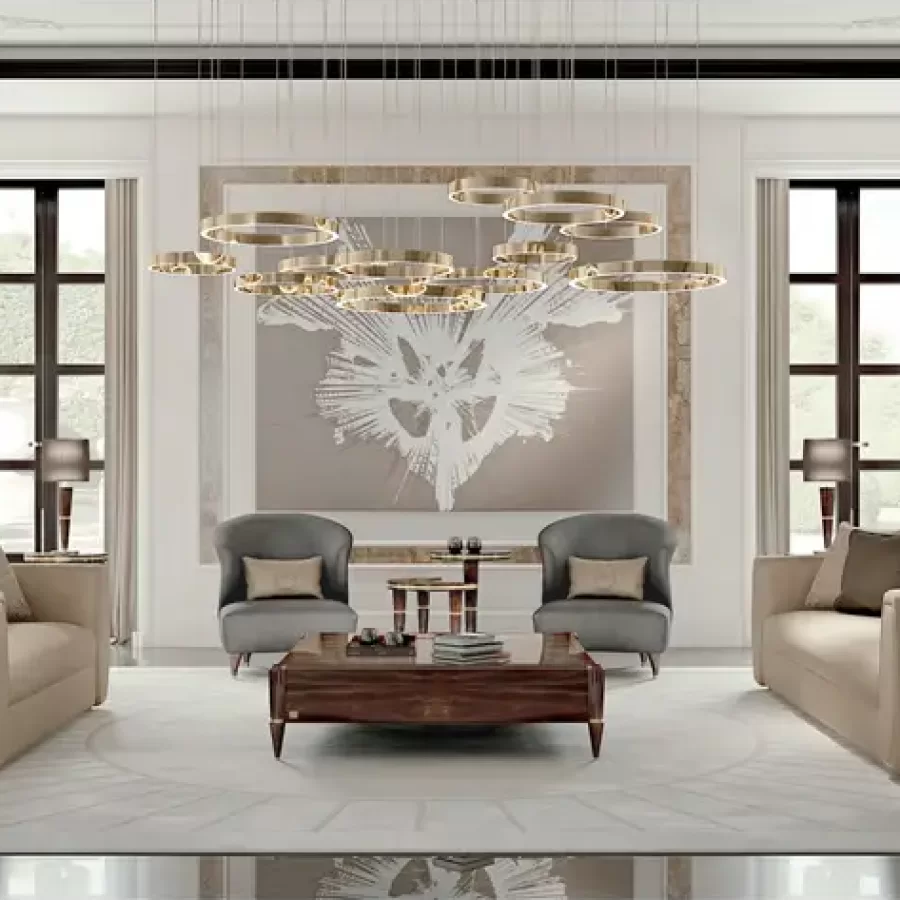
A room feels luxurious when its pieces are in proportion with the space and with each other, long before anyone notices what they are made of. We have seen many living rooms filled with remarkable furniture that still feel uneasy, because the sofa is too small for the wall, the chandelier hangs too low or every corner holds something that asks to be looked at, and in those rooms the first thing we suggest is usually to take things away rather than to add.
When we start a project, we measure the room with the client in mind rather than the catalogue, asking where people sit, where the eye rests when they enter and how much empty floor the room needs to breathe. That empty floor is not wasted space; it is what allows a good sofa or a carved cabinet to be seen at its true size, and it is the part of luxury that asks only for patience to keep.
 View full size
A restrained palette lets every material speak in its own voice
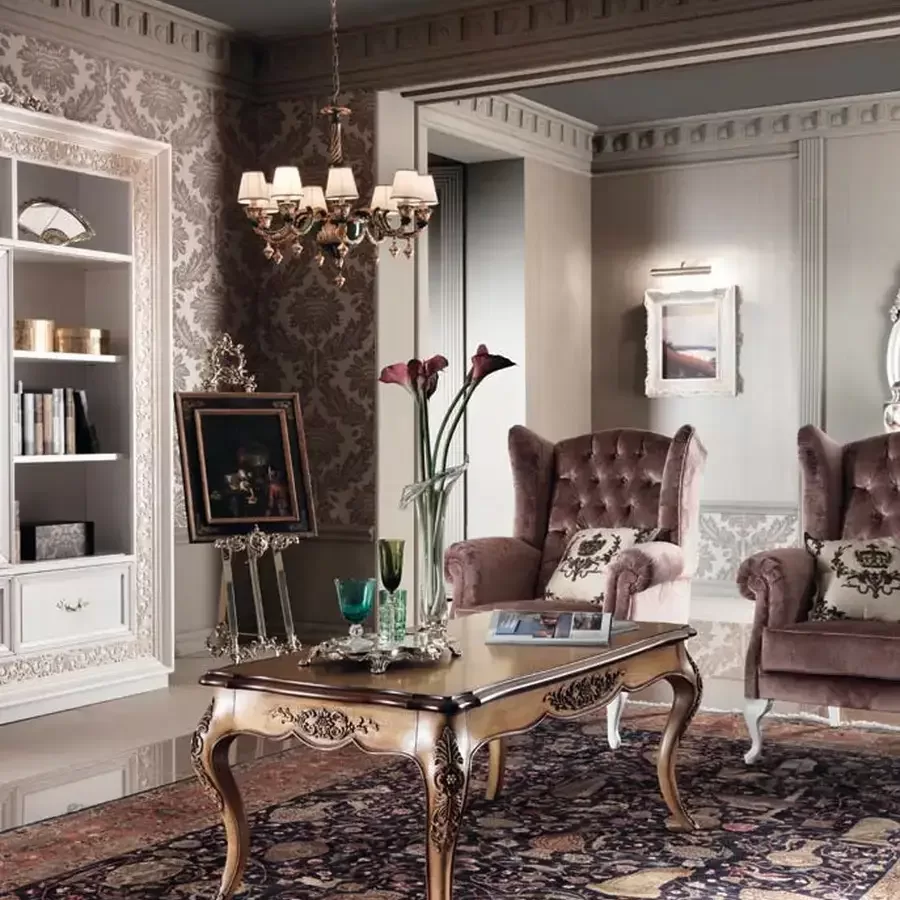
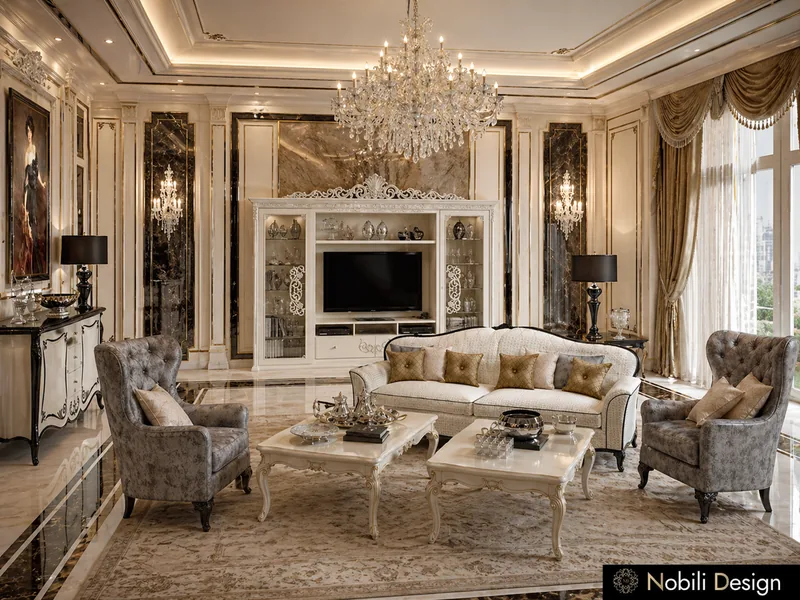
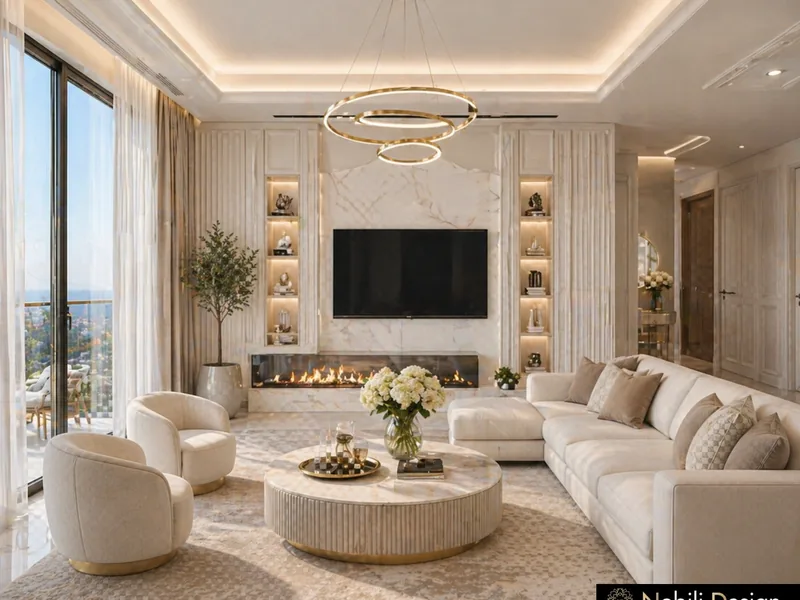
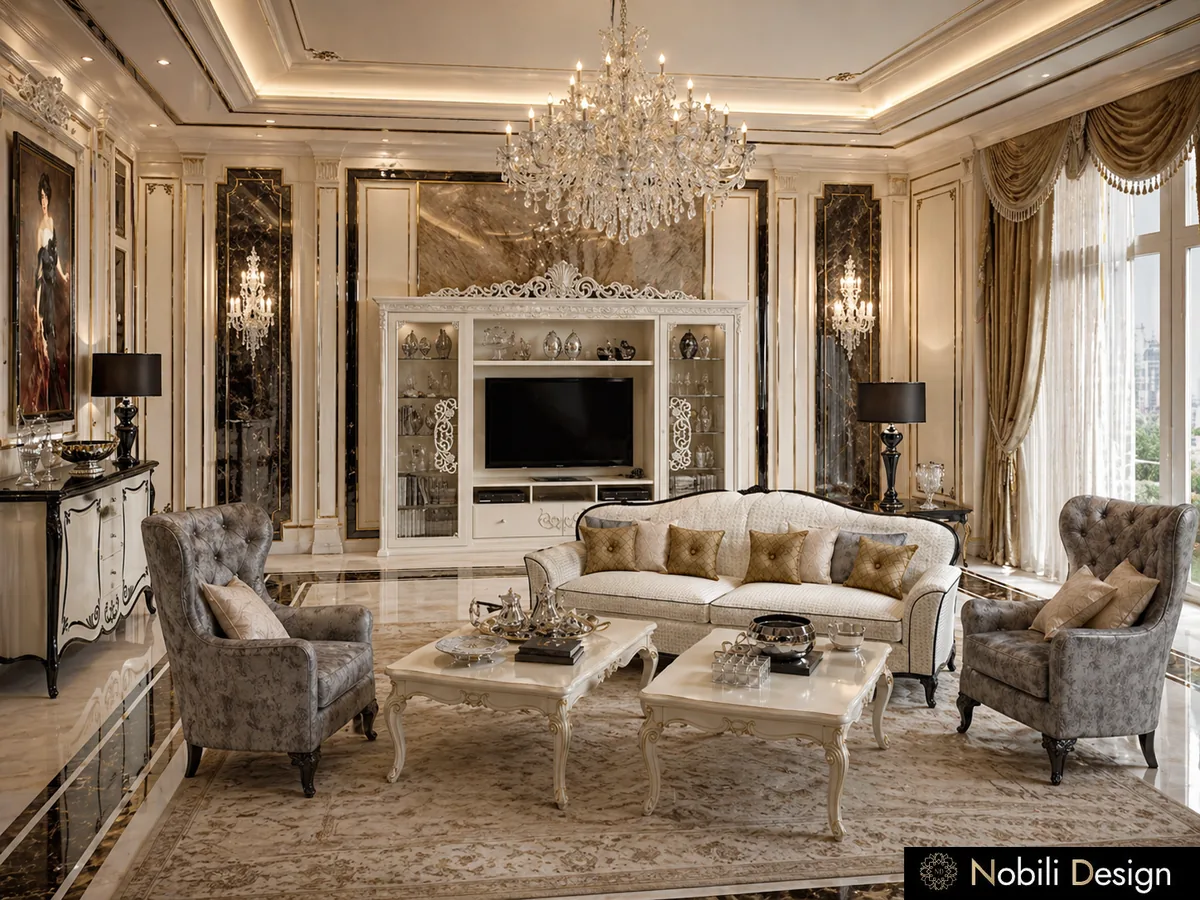
Two or three colours held with discipline will always look richer than a room that tries every shade at once. In a classic villa that we designed, the living room rests on ivory and grey: a carved ivory TV cabinet, an ivory sofa and grey tufted armchairs sit between dark marble panels, under a crystal chandelier, and the restraint of that palette is exactly what lets the carving and the marble be felt.
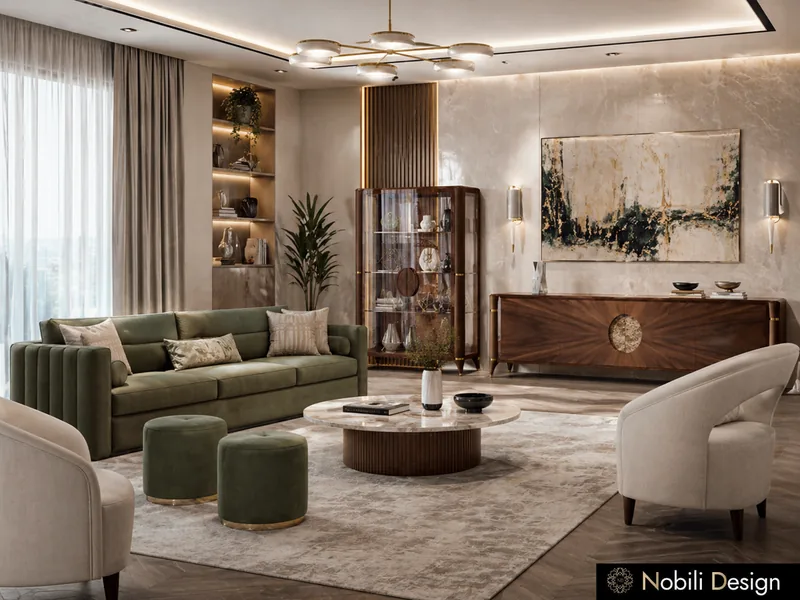
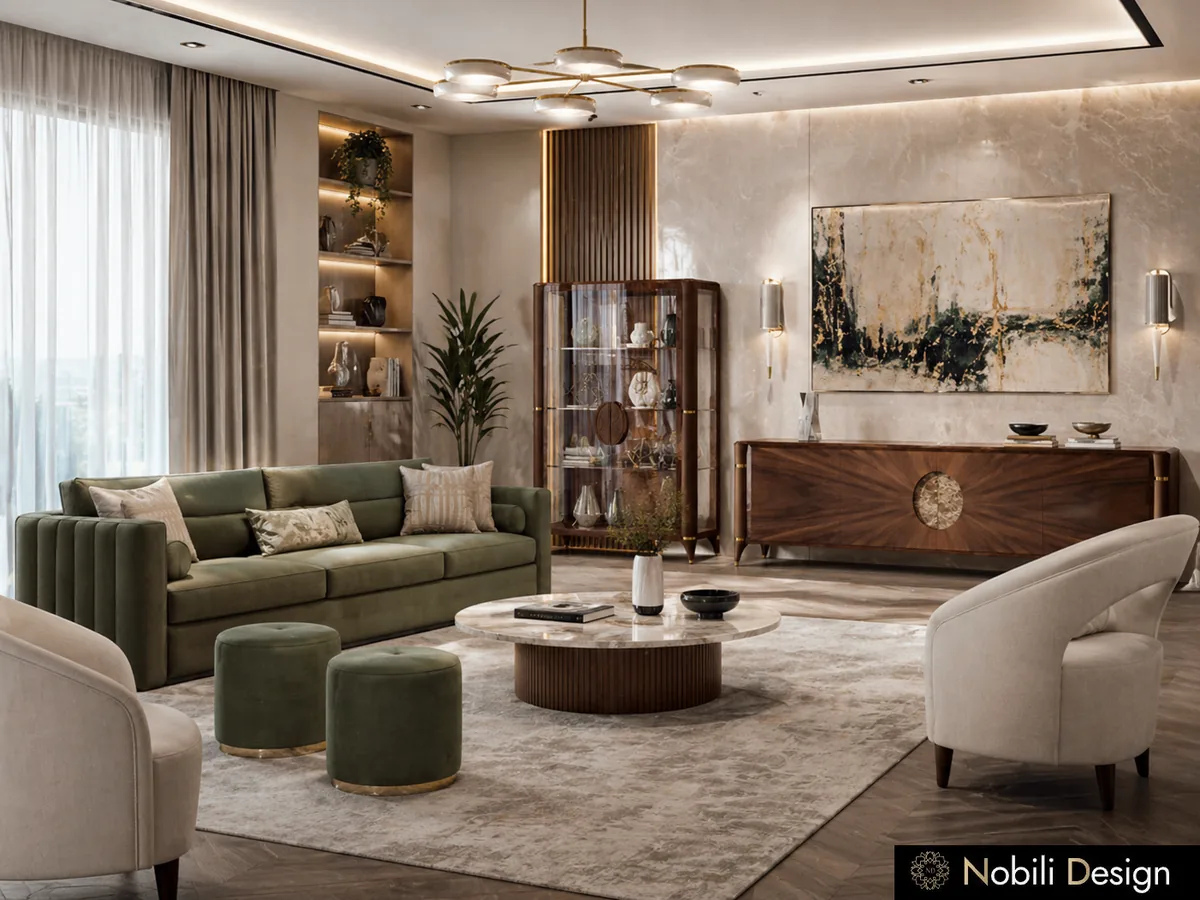
The same discipline works in a contemporary language. In a contemporary apartment that we designed, a sage velvet sofa, cream curved armchairs and sage ottomans face a marble wall with a walnut sideboard and a walnut display cabinet, and because the sage returns on the ottomans and the walnut returns on both cabinets, the room reads as one thought rather than a series of purchases.
Materials that age well carry a room further than fashion
We would rather choose a marble or a solid wood that will look better after many years than a finish that impresses on the first day and tires after a few seasons. Natural materials take marks, light and use in a way that adds depth, and a client who lives with them soon stops worrying about wear and starts enjoying the patina that only real materials develop.
This is also why we are cautious with high-gloss surfaces everywhere, with mirrored walls or with fabrics chosen only for their sheen. They can be beautiful in one place, as an accent, but a room made entirely of shine loses its warmth as soon as the sun moves, while wood and stone keep the room alive at every hour of the day.
Pieces chosen for the room matter more than famous names
A piece becomes luxurious in a home when it answers that room, its light and its people, whatever name it carries. We often advise clients to choose one strong piece for each room, a sofa or a chandelier, and to let everything else stay quieter, because a room where everything shines has no star at all.
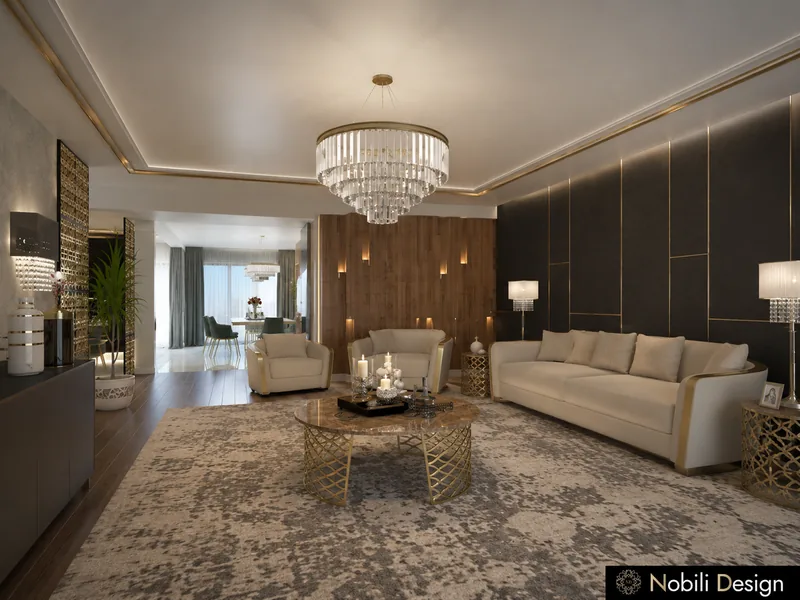
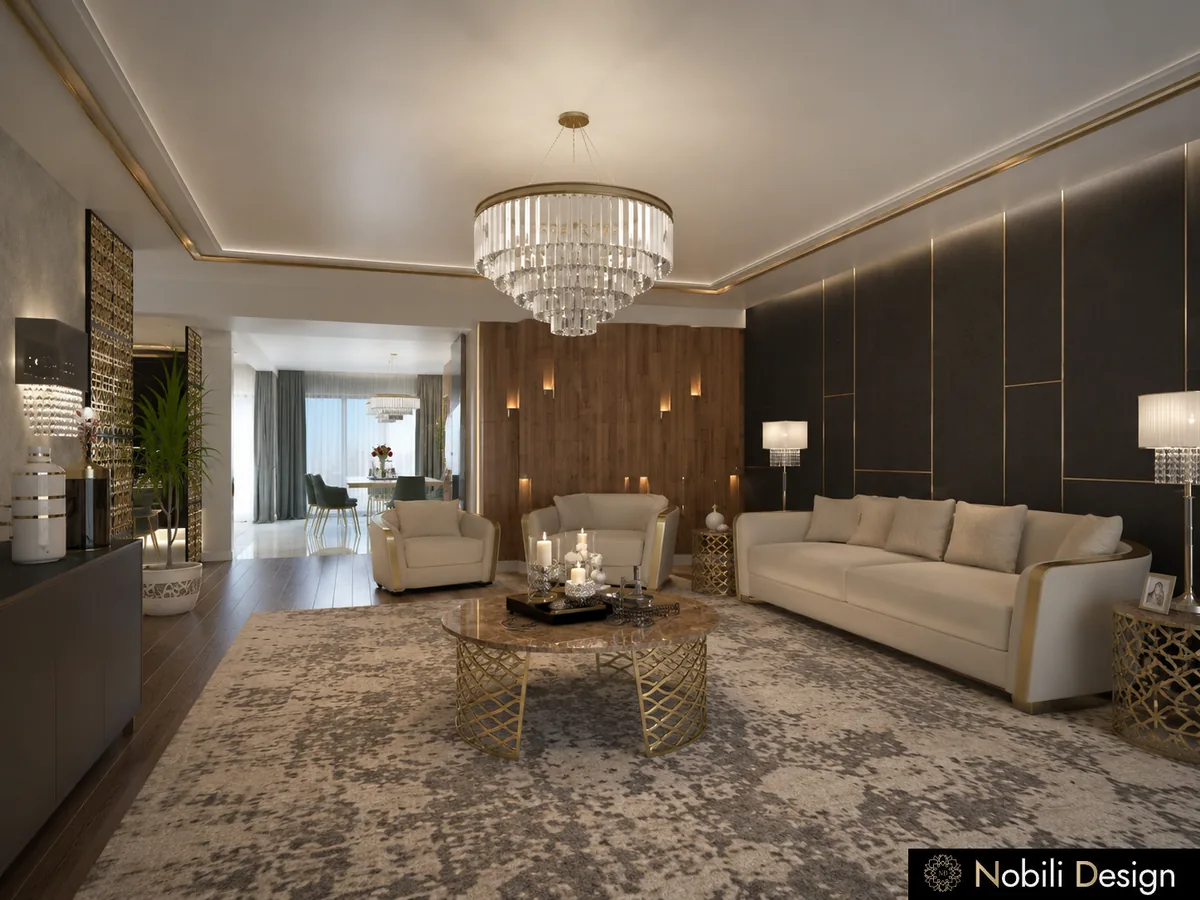
In a modern house that we designed, a cream sofa and armchairs face dark wall panels with brass strips, around a round marble coffee table on a gold base under a tiered crystal chandelier. The chandelier and the panels carry the drama, the seating stays soft and pale, and the result feels luxurious precisely because nothing competes with the two elements that were meant to be seen.
 View full size
Classic or contemporary, the same discipline makes the room
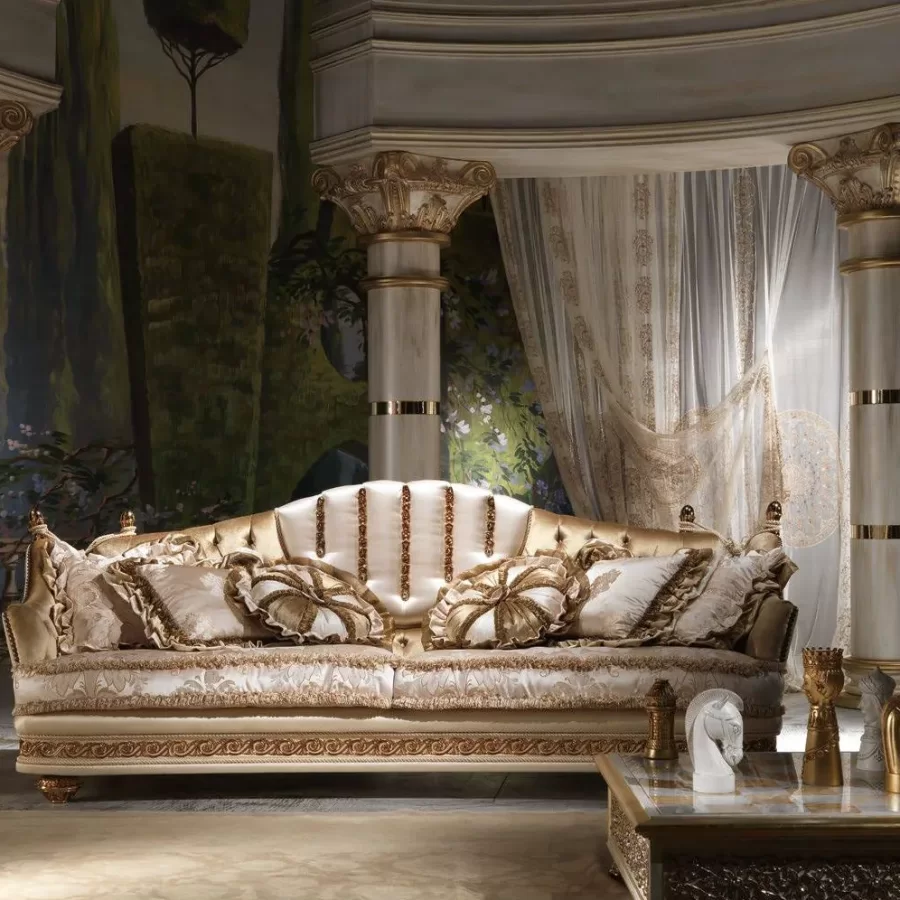
Whatever the style, luxury interior decor asks for the same discipline, and only the vocabulary changes from one home to the next. Our classic interior design keeps carving and gilding in measured doses so they read as craft rather than display, while our contemporary interior design relies on texture, on velvet and walnut in particular, to give warmth to clean lines that would otherwise feel cold in the evening.
We would gently advise against the shortcut of buying a complete set from a single page and placing it as shown, because a room that has not been drawn for you will always feel borrowed. The better path is slower at the start and far more rewarding later: a plan, a palette and a few pieces chosen with care, then the patience to let the room settle before adding anything more.
If you are planning a house, a villa or an apartment, send us the floor plan and a few words about how you live, who joins you in the evening and what you would like to feel when you open the door. We will tell you where the room needs space, which palette suits its light and which pieces deserve to carry it.