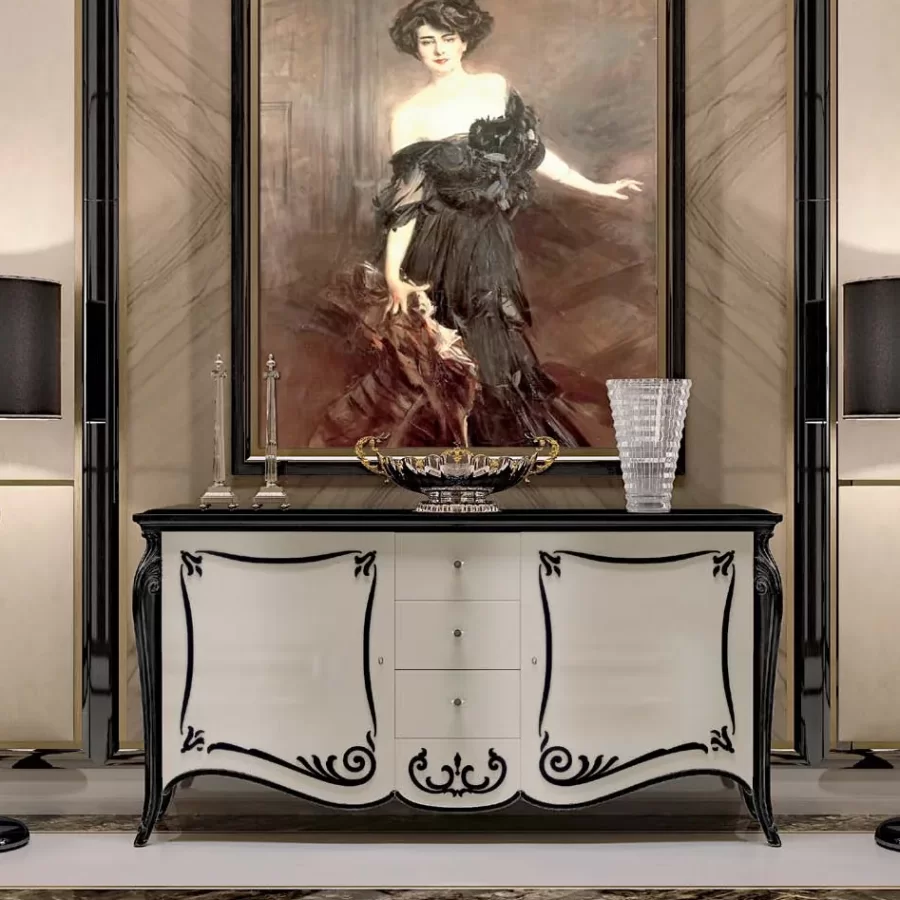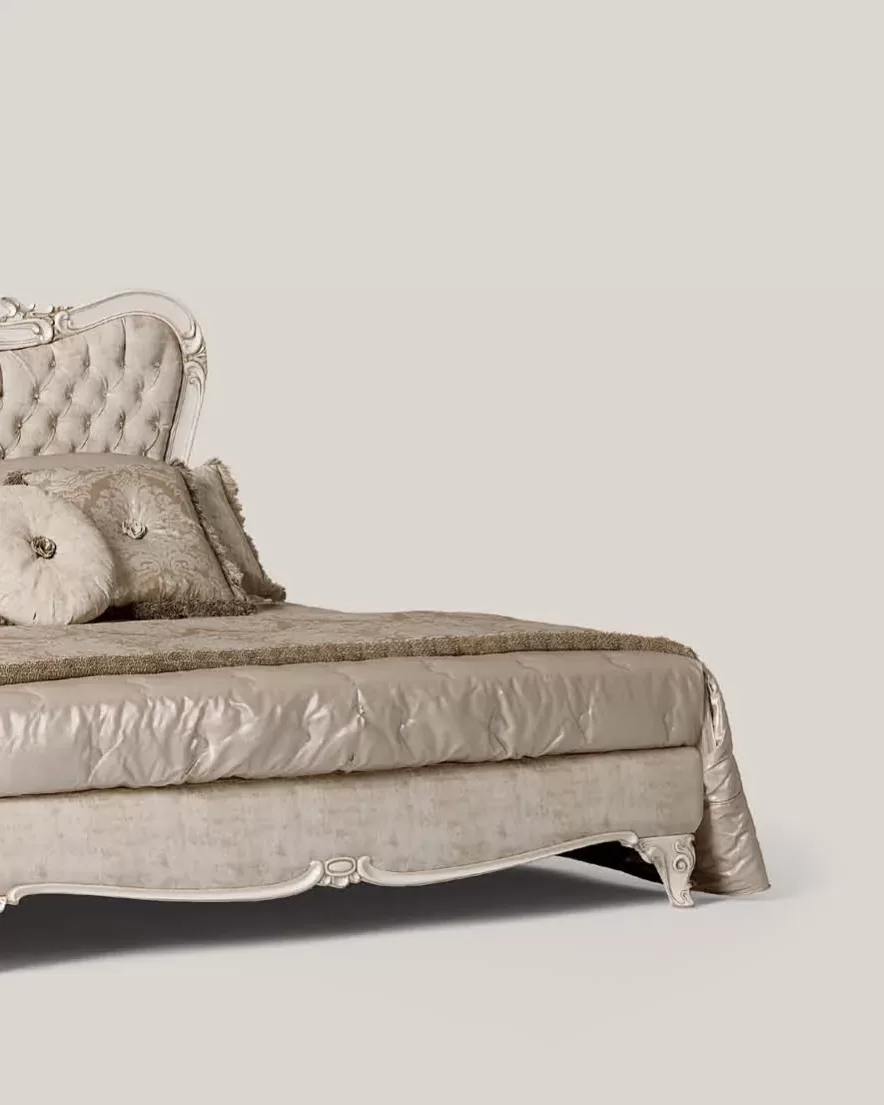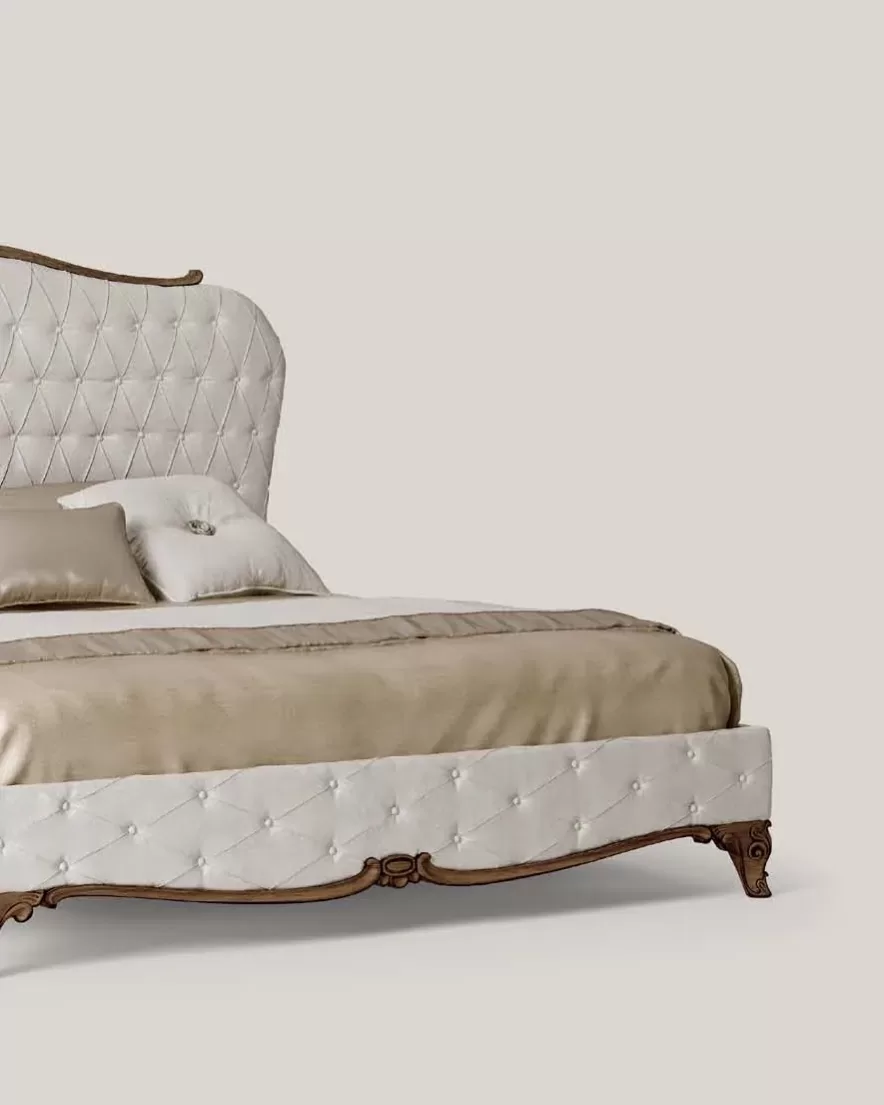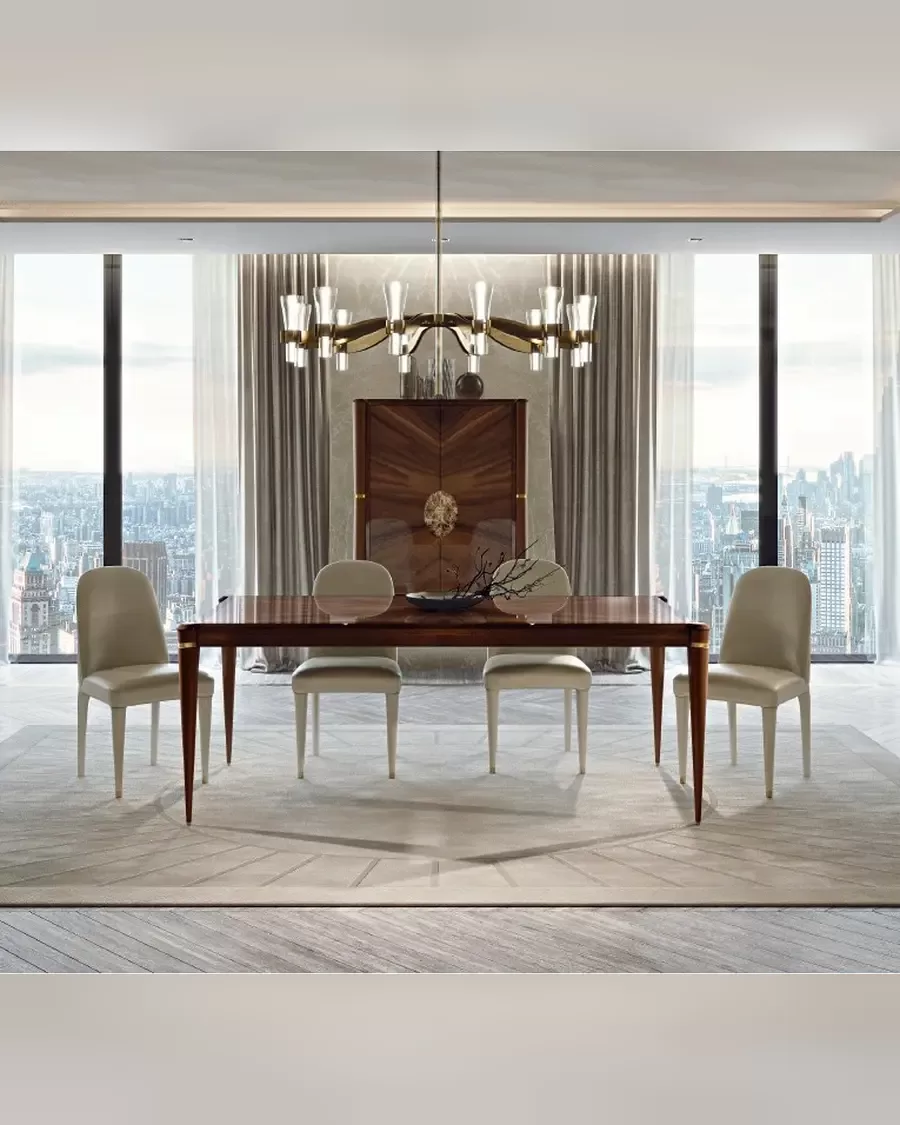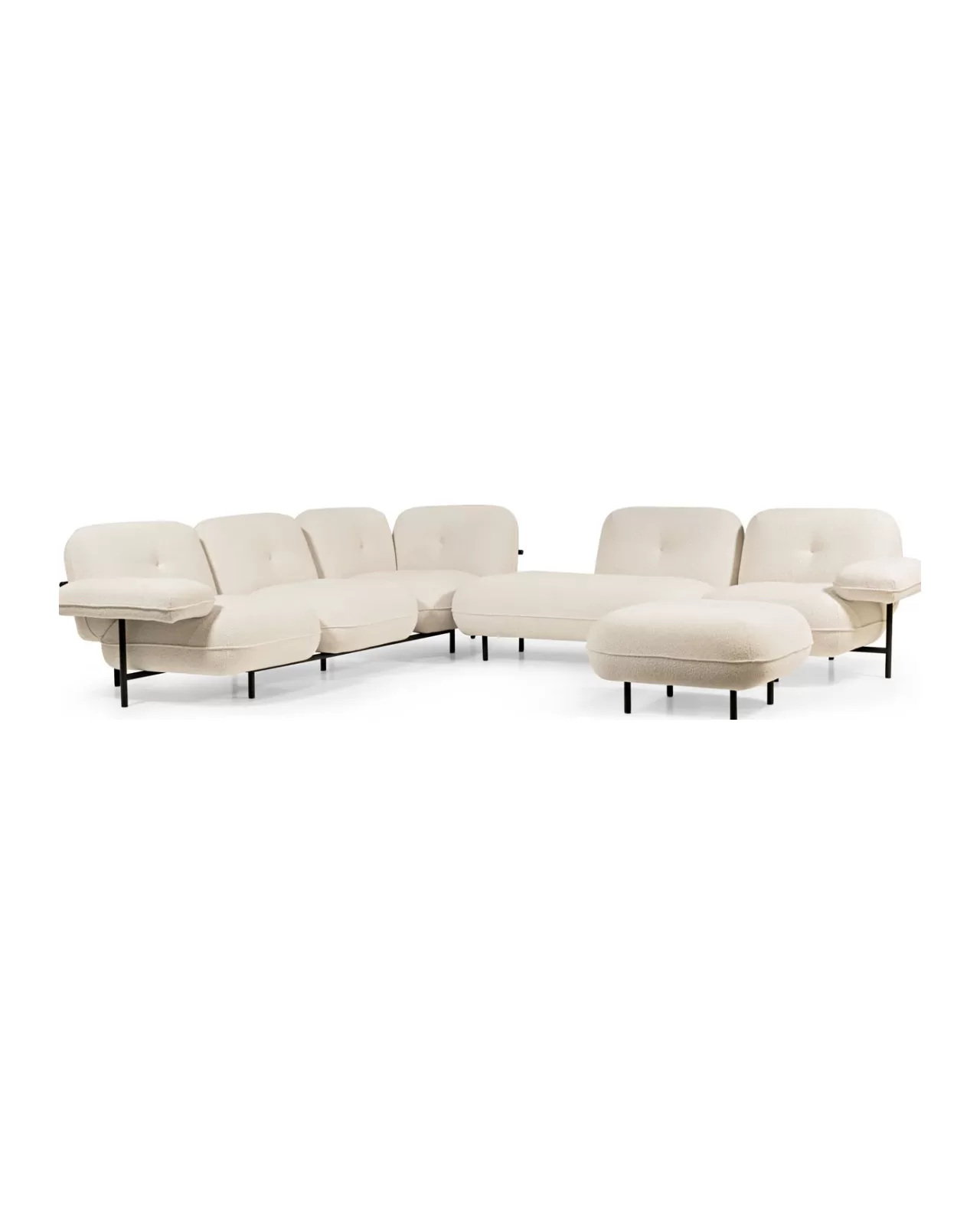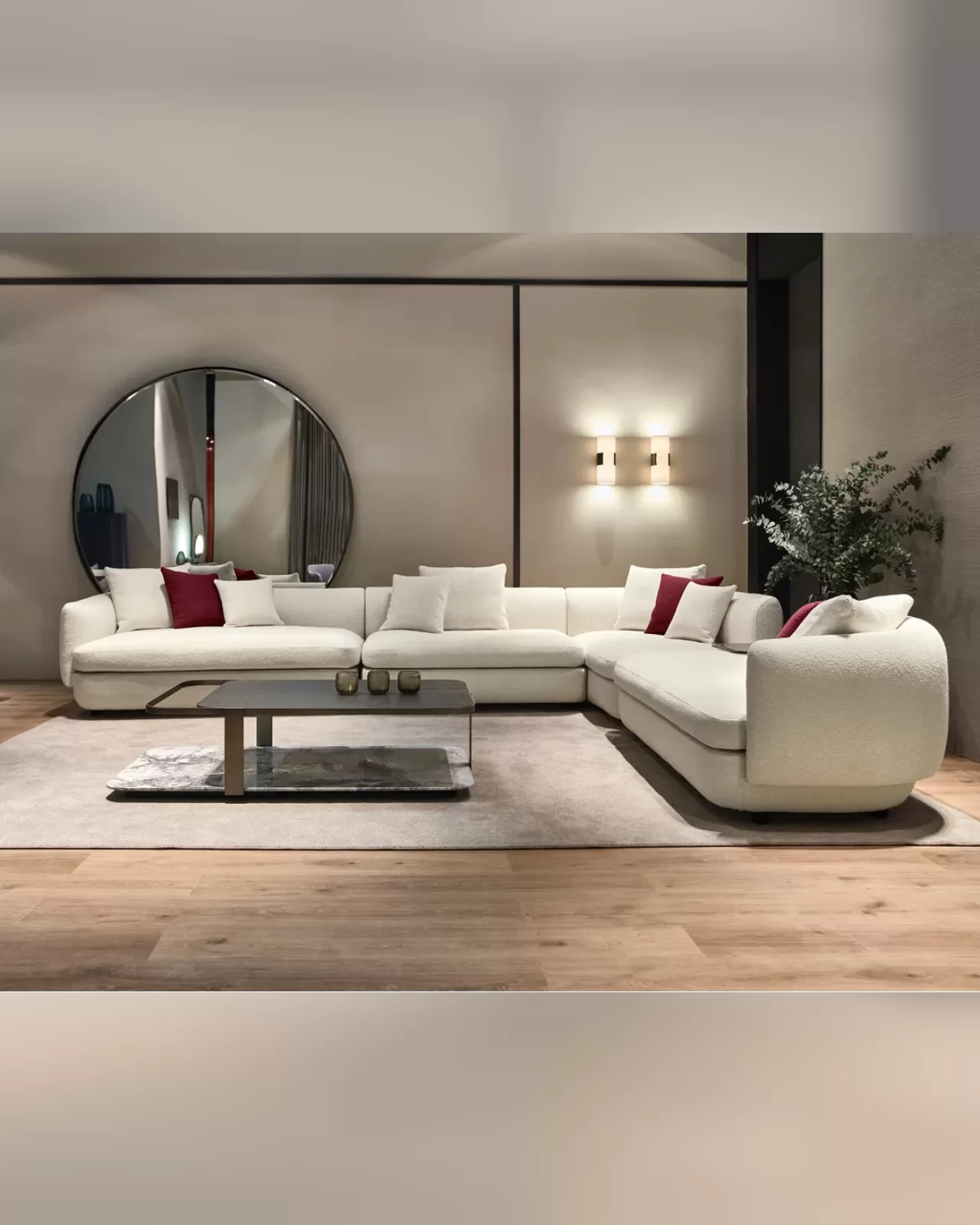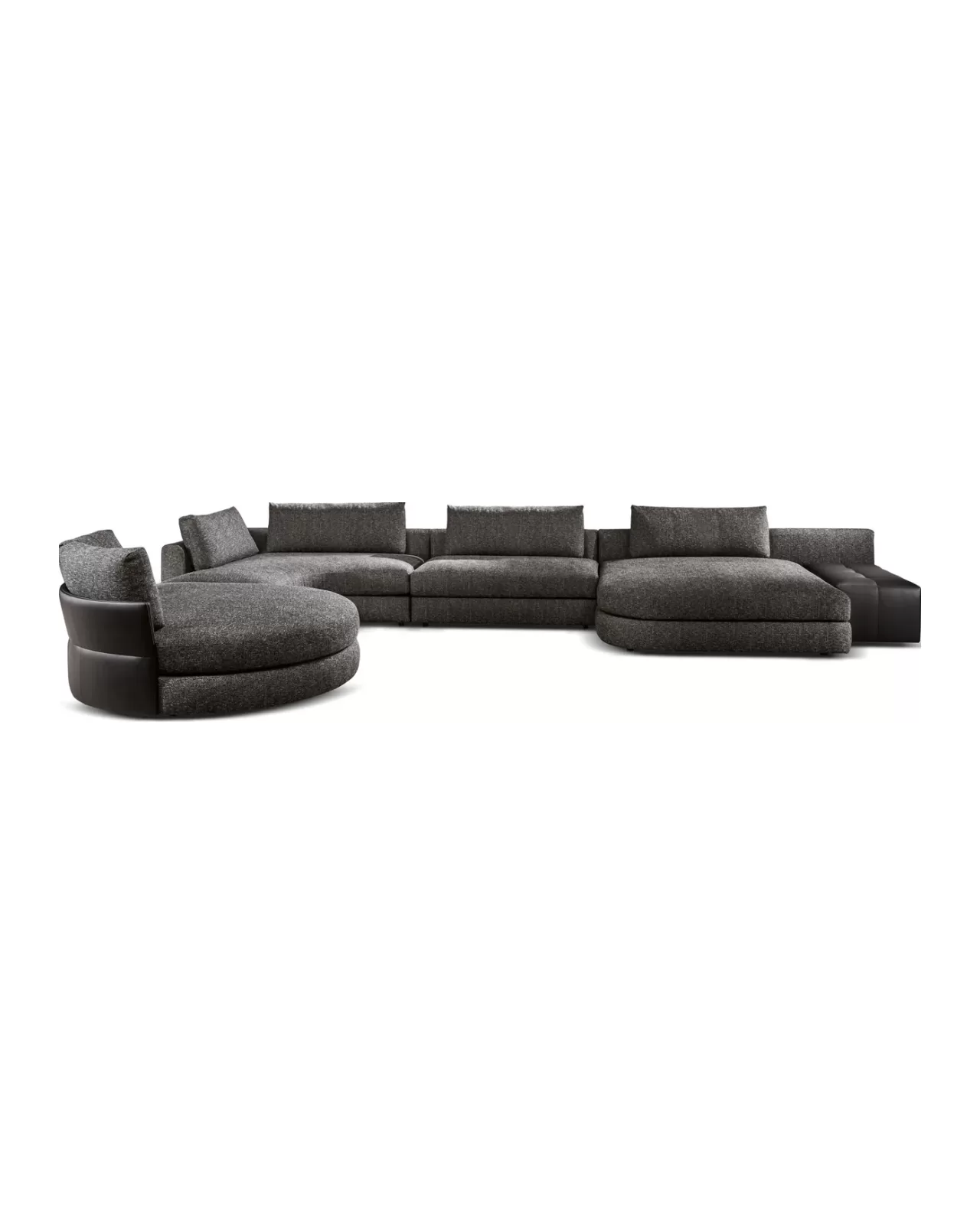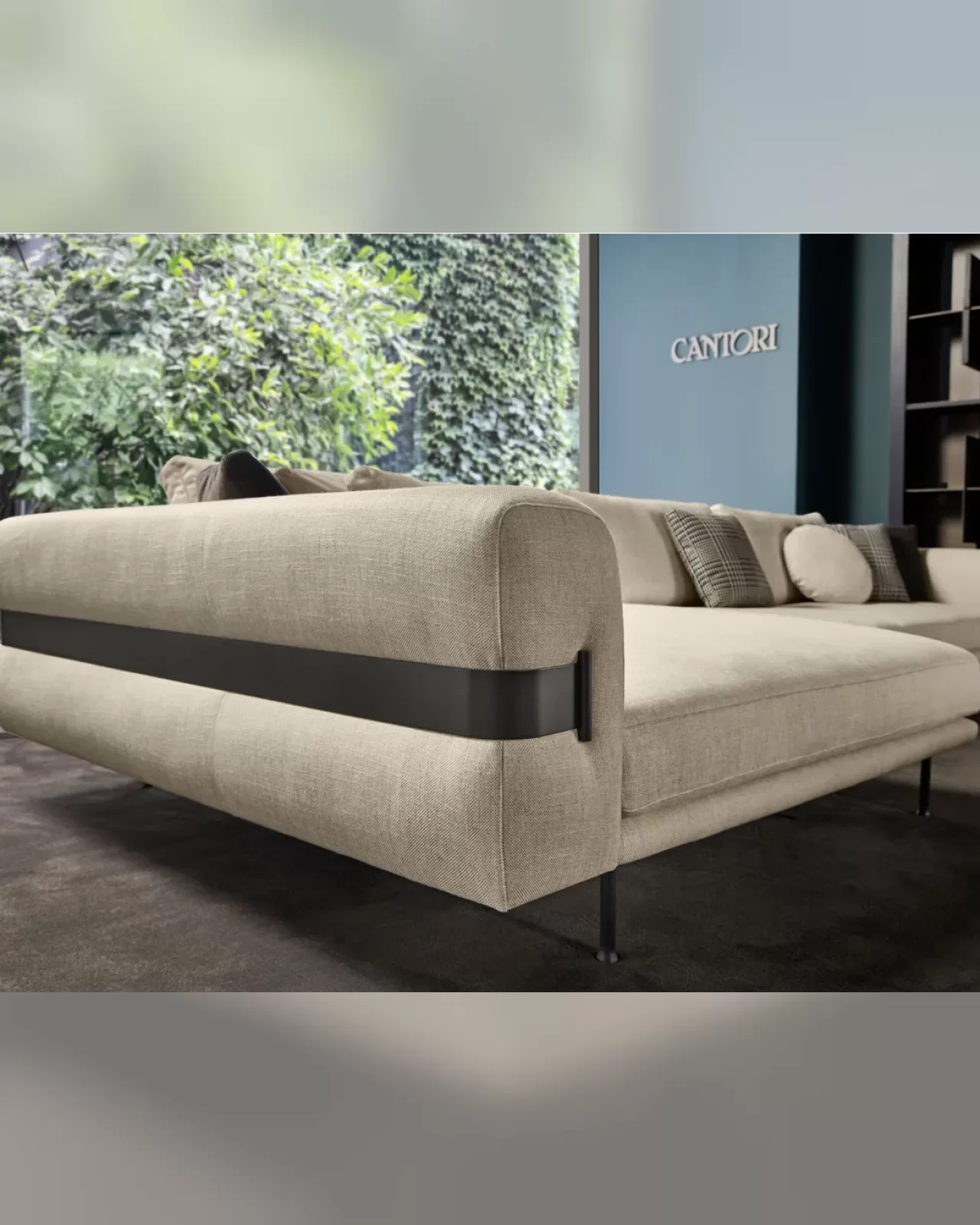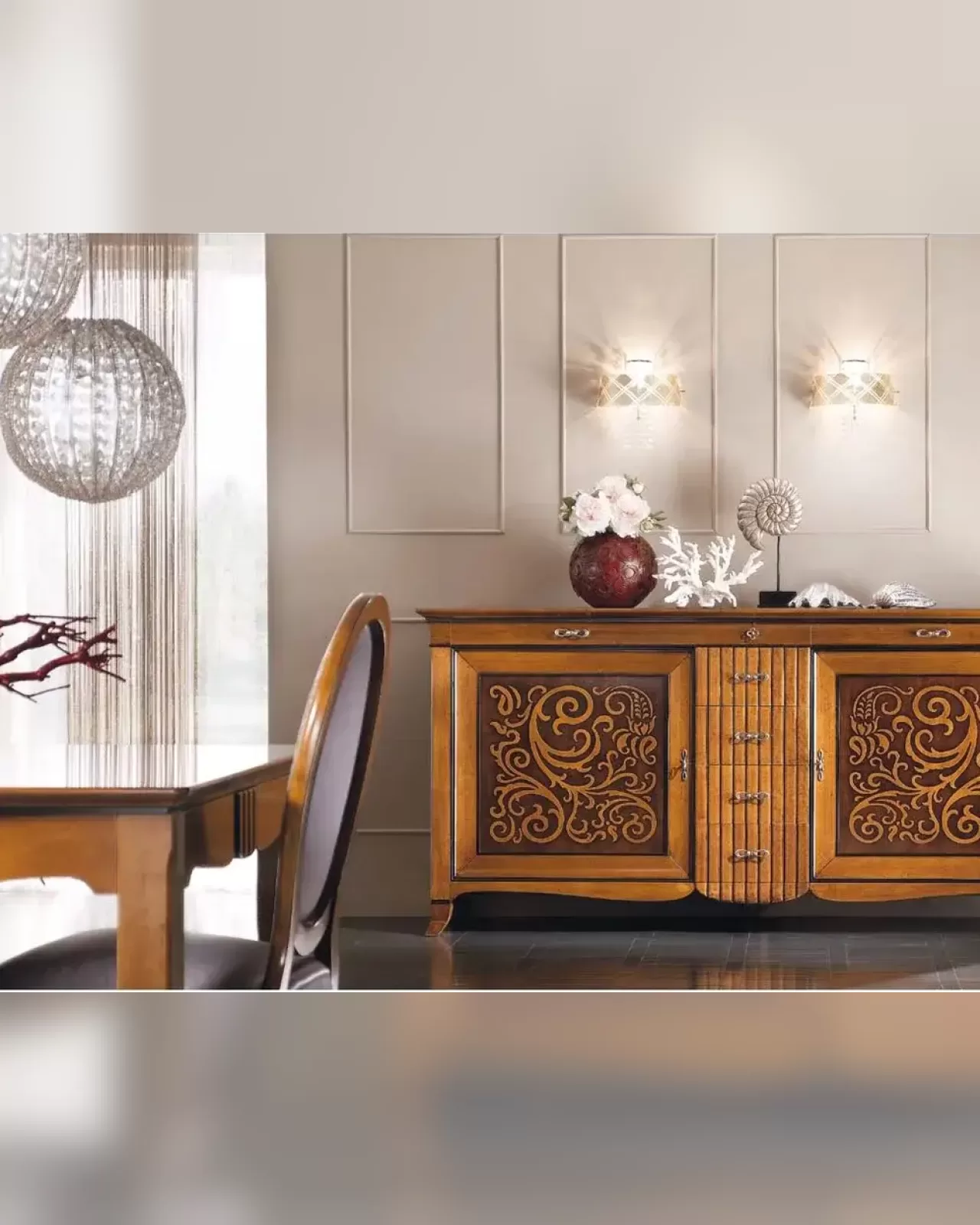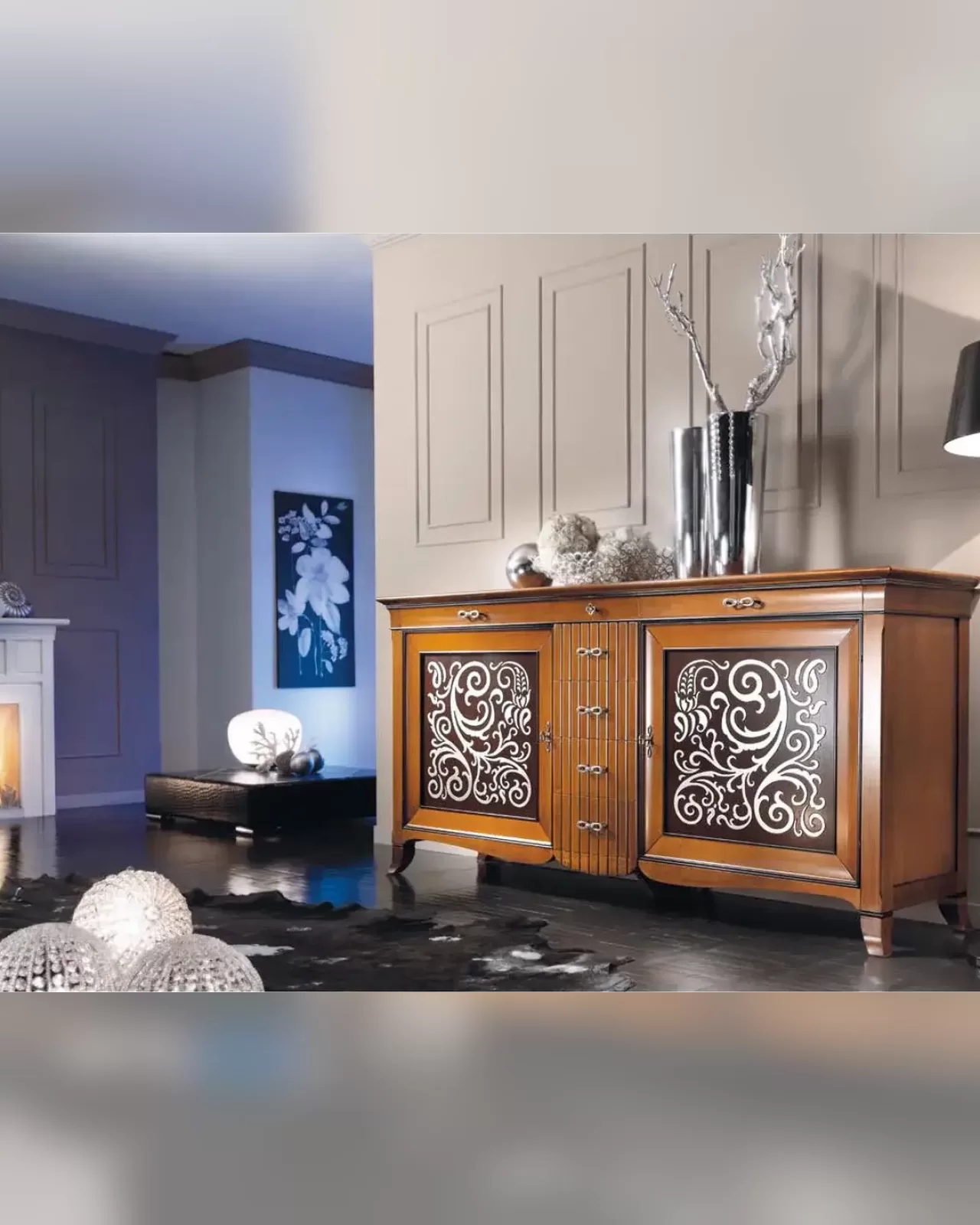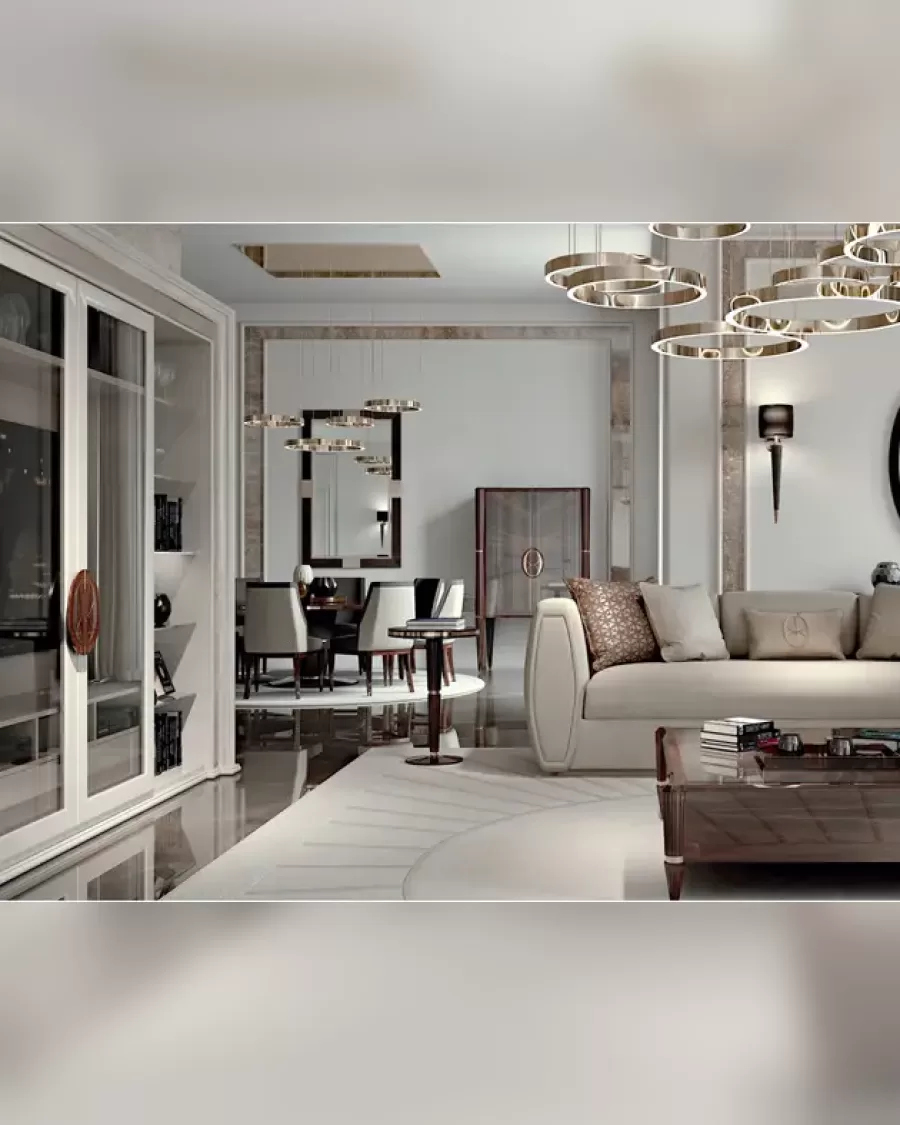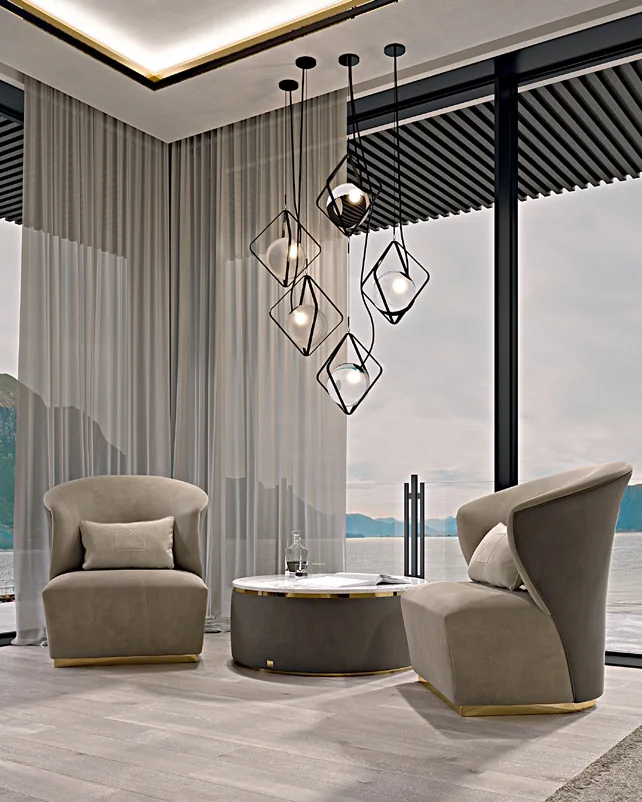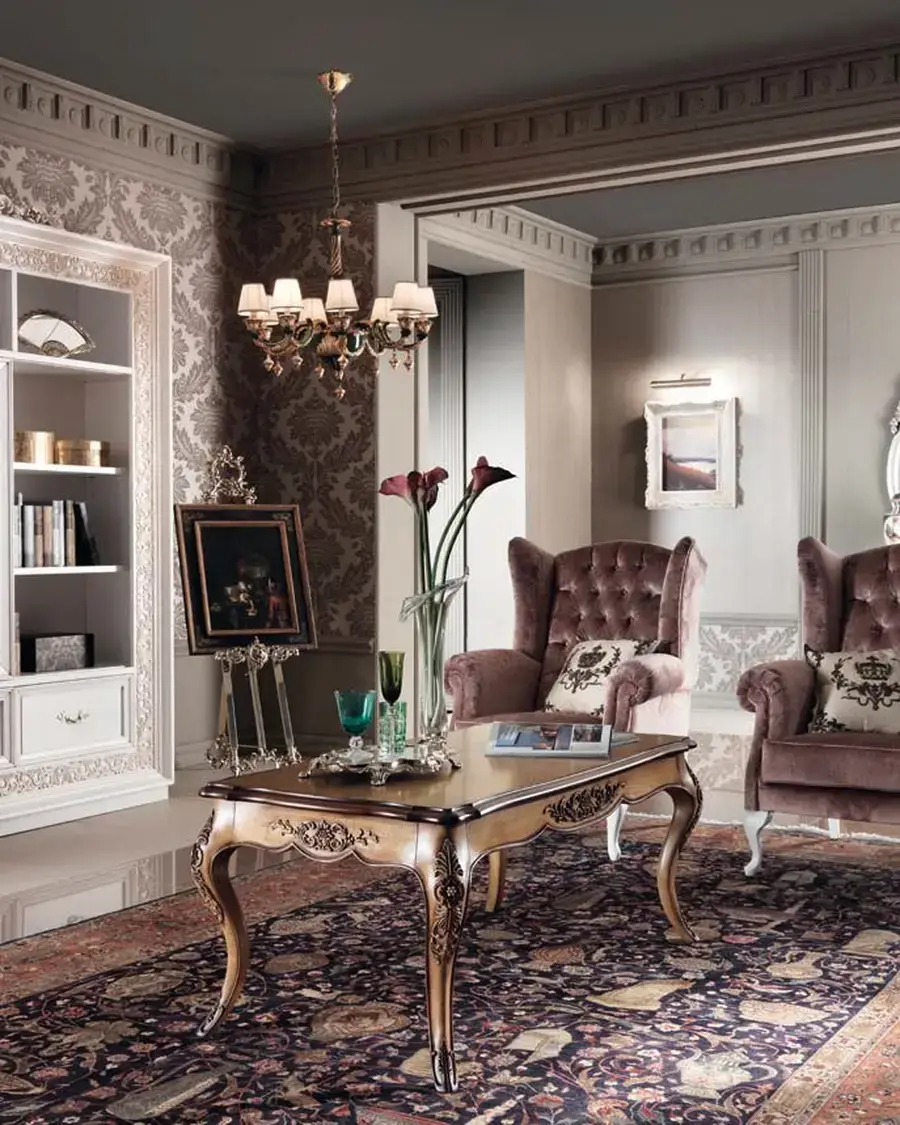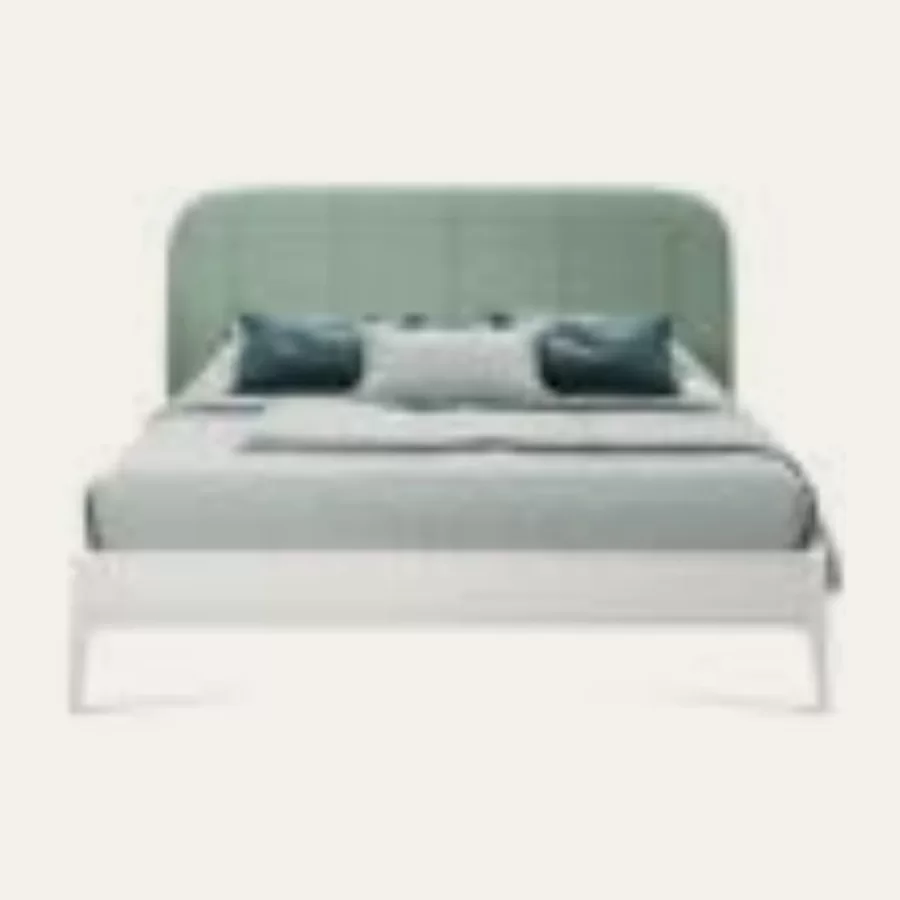
High-end furniture is specified as a complete composition, not chosen from a photograph. Nobili Design verifies dimensions, comfort, materials, finishes, module orientation and installation conditions, then translates every detail into a precise proposal for the architecture and daily use of the interior.
Reflex Angelo - a premium contemporary furniture brand.
A high-end furniture specification identifies the exact product that will be quoted, approved and produced. The collection name establishes the design family, while the model code, dimensions, structural details, upholstery category, finish references and optional elements establish the individual piece.
This distinction is essential. The same sofa can be available in several widths, depths and seating configurations. A dining table can combine different top dimensions, base finishes and materials. Beds, cabinets and wardrobes can have alternative proportions, internal arrangements and opening systems. Each variation creates a different product identity.
The purpose of a specification is not simply to describe how a piece looks. It records precisely what the client has approved and what the manufacturer is expected to produce. The collections presented in our high-end furniture portfolio are evaluated at this level of detail.
Furniture proportion is established in relation to the room, not in isolation. Overall width, depth and height are placed on the architectural plan together with doors, windows, circulation areas, lighting positions and adjacent furniture.
For upholstered furniture, the overall footprint must be distinguished from the usable seating area. Wide armrests, deep back cushions, reclining mechanisms and chaise longue modules can substantially change the space occupied by a composition.
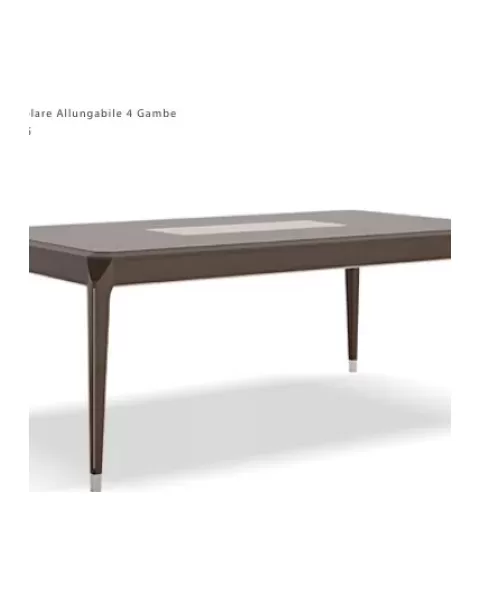
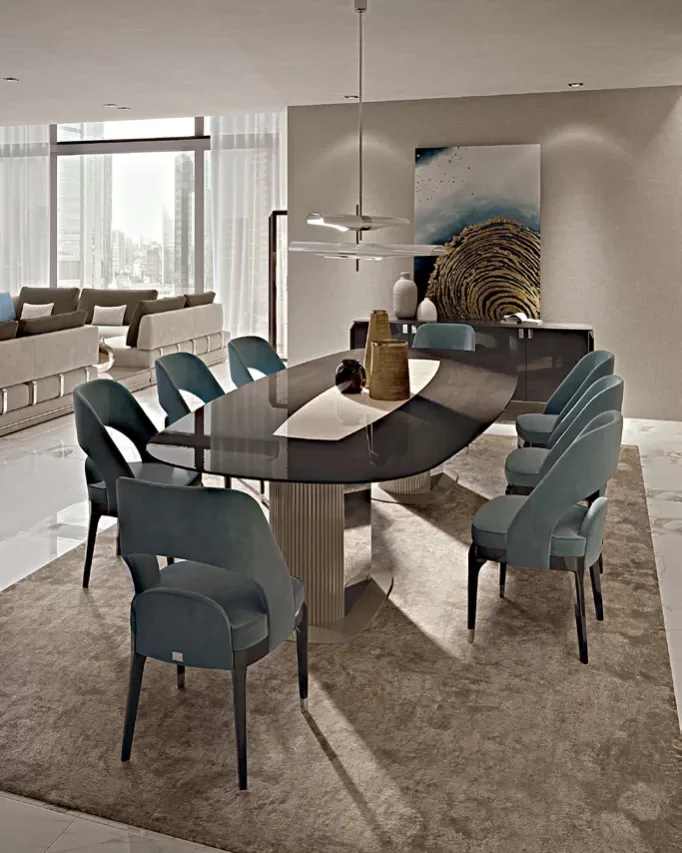
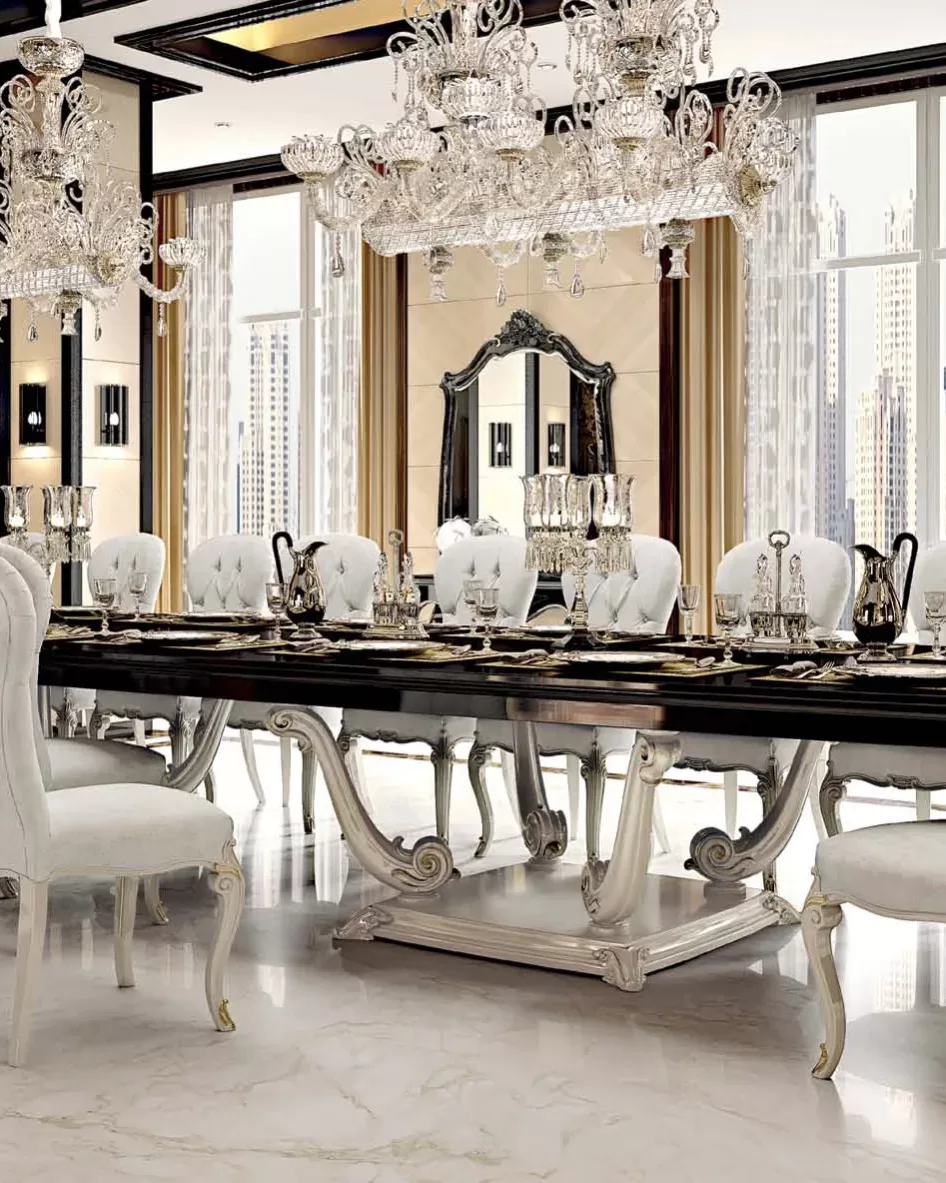
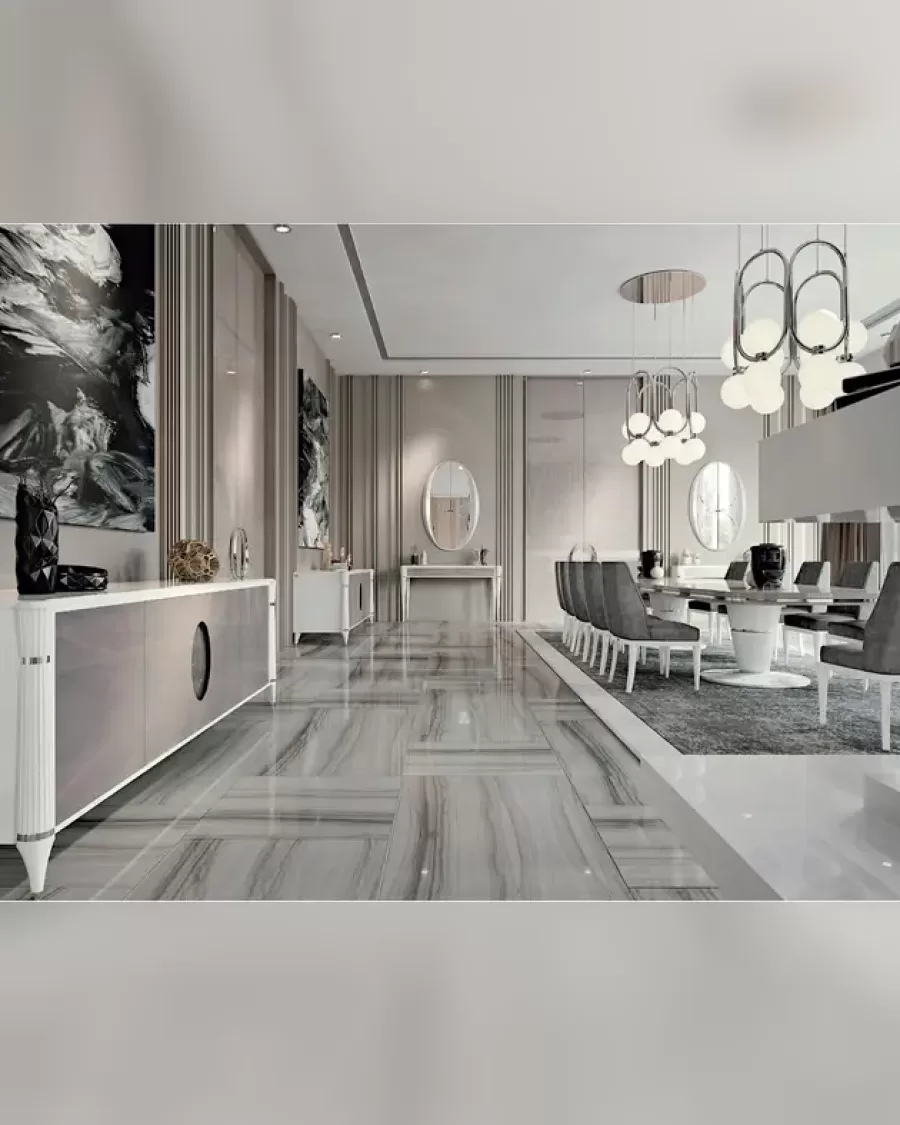
Dining furniture requires a coordinated relationship between the table top, base geometry, chair dimensions and movement around the perimeter. A sculptural table base must provide both visual presence and comfortable leg position. Chairs must remain easy to use without restricting the principal route through the room.
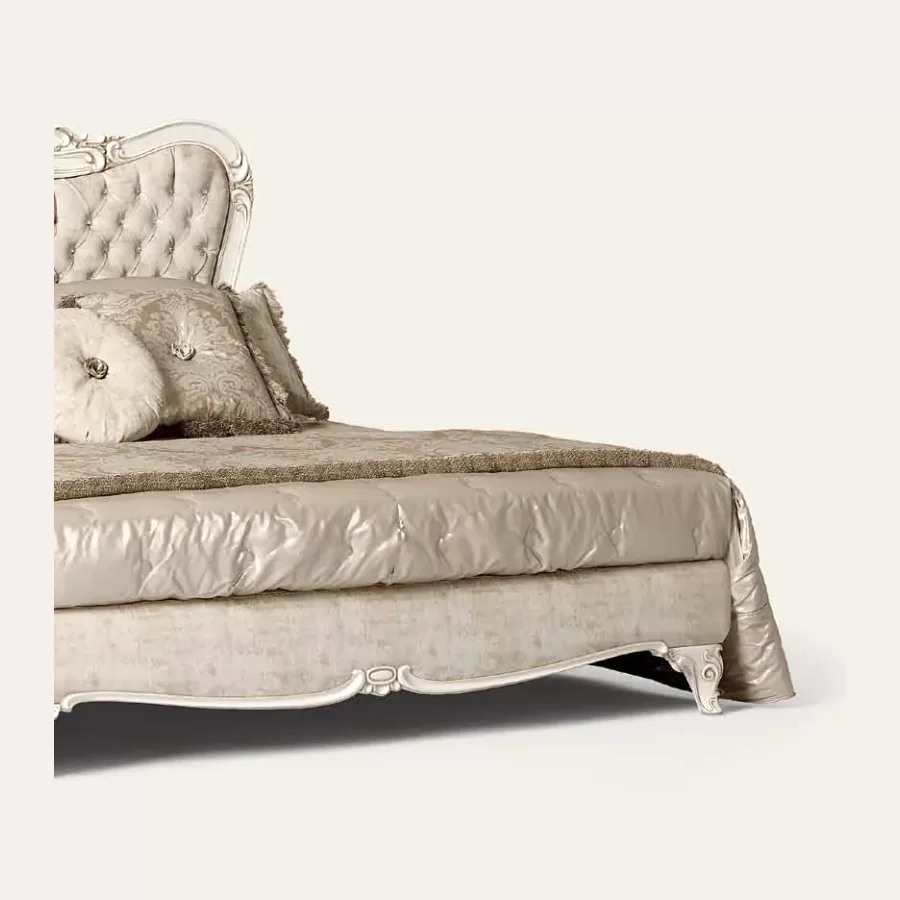
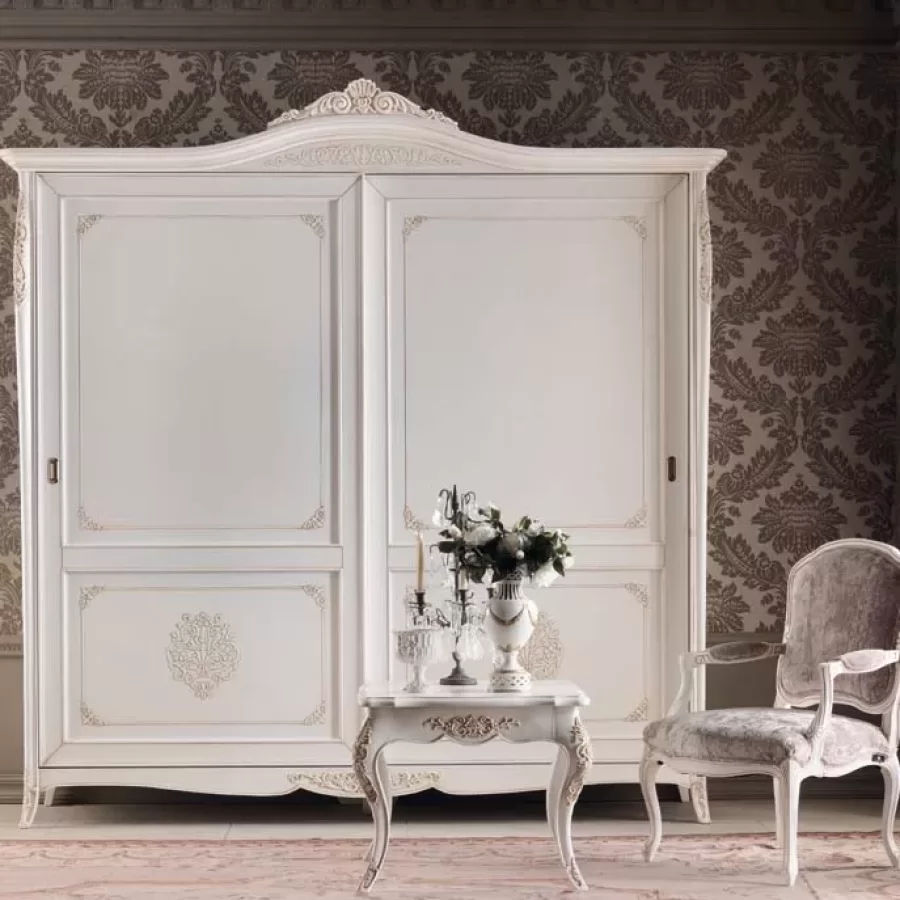
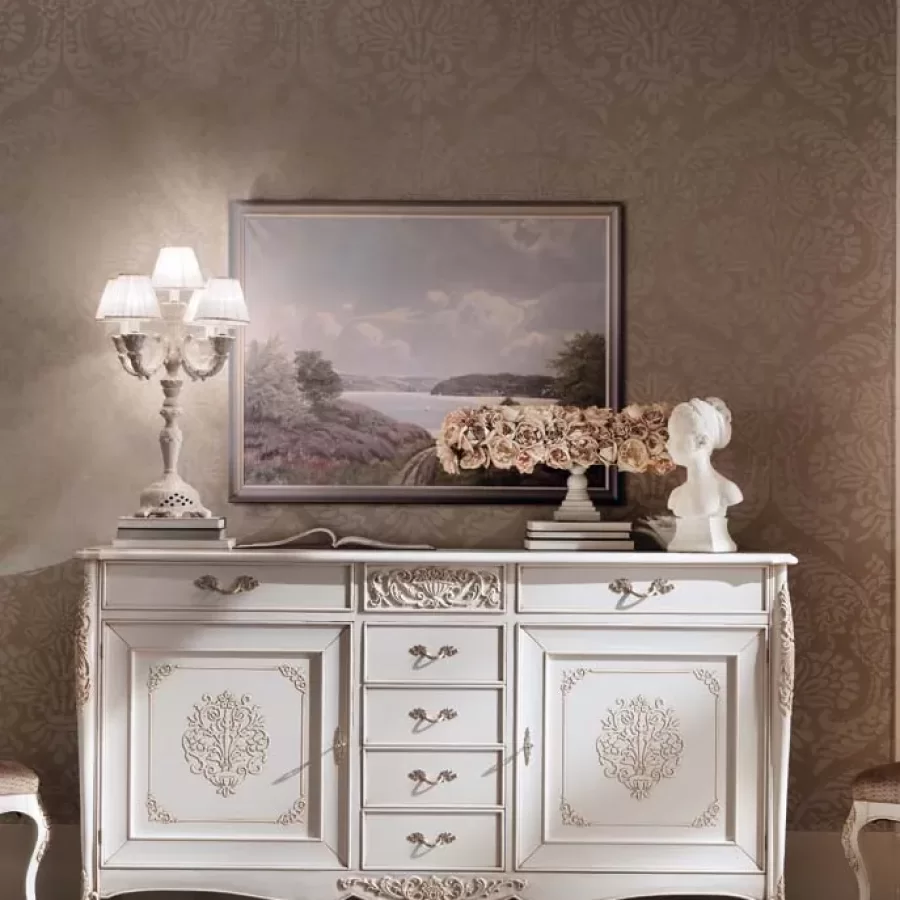
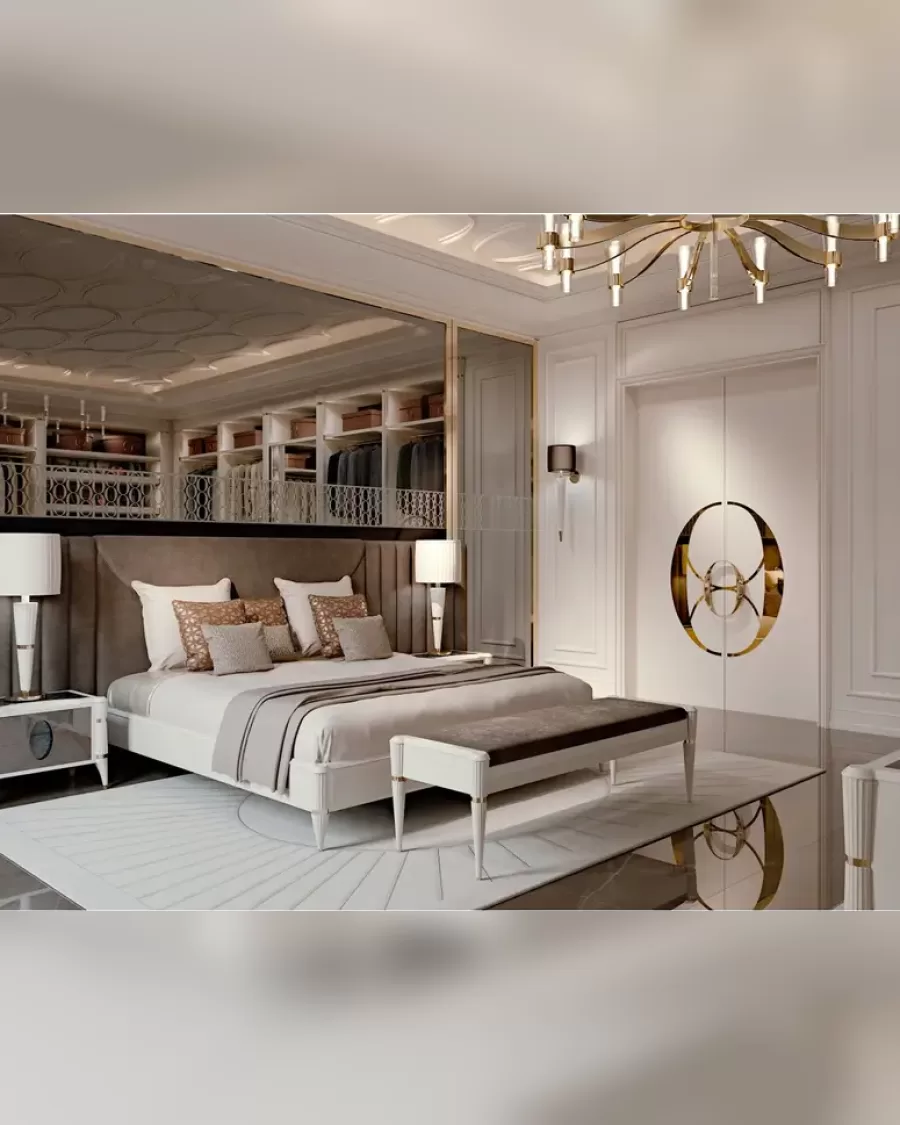
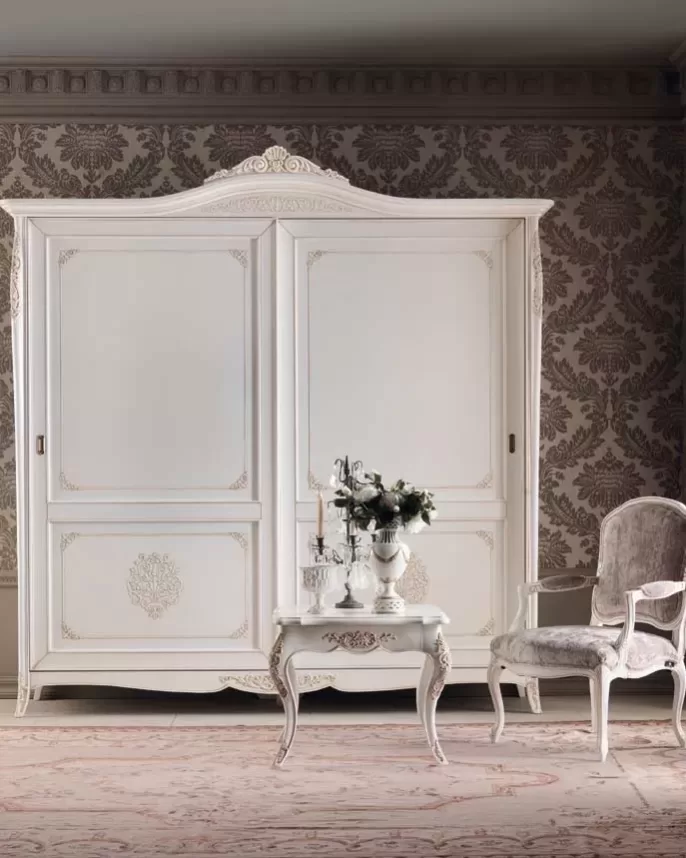
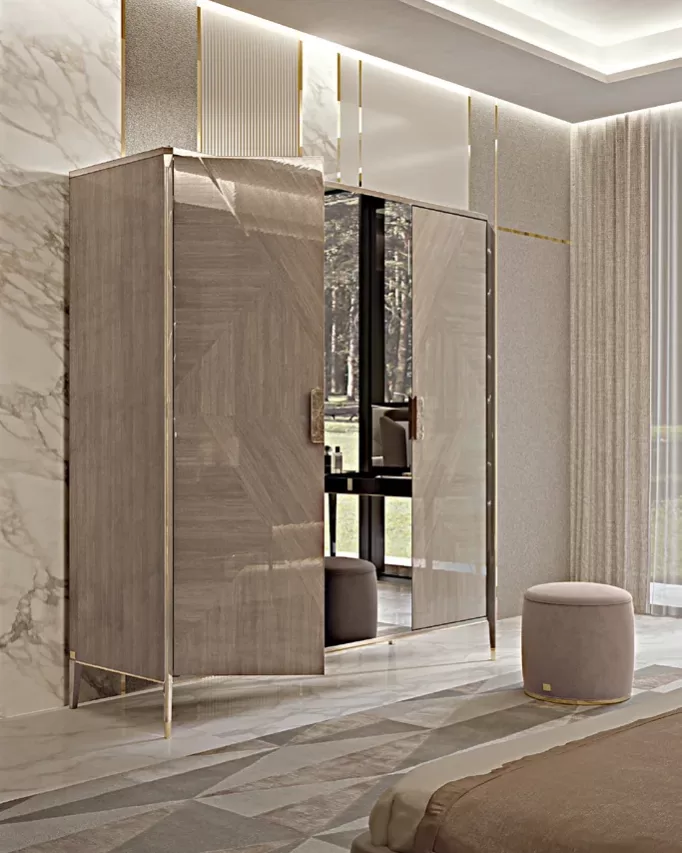
In bedrooms, the bed specification is coordinated with the mattress, bedside units, lighting and available access. Storage furniture is checked against wall dimensions, door movement, drawer extension and the position of sockets, switches and architectural details.
The correct product is the one whose scale belongs naturally to the interior while preserving comfort, movement and visual balance.
Comfort is defined by more than softness. A professional specification considers the supporting frame, suspension system, padding composition, seat depth, seat height, backrest profile and the relationship between fixed and adjustable elements.
Two sofas with similar exterior dimensions can deliver completely different seating experiences. One can provide a structured, formal posture, while another is designed for deeper and more relaxed seating. Cushion density, feather wrapping, backrest angle and adjustable components influence how the product feels and how its silhouette changes during use.
For armchairs, dining chairs and benches, the relationship between seat height, depth, back support and the surrounding furniture is evaluated with the same precision. Comfort remains part of the architecture of the interior, not an assumption based on a catalogue image.
Premium materials are confirmed through exact manufacturer references. A general description such as beige leather, dark wood or polished metal is not sufficient for quotation or production.
Leather is identified by collection, category, colour and finish. Fabrics are confirmed through the manufacturer’s sample and technical reference. Wood veneers are assessed for species, tone, grain character and application. Natural stone requires approval of the material family and an understanding of the variation inherent to each slab. Metal finishes are differentiated by colour, texture and level of reflection.
The same principle applies to lacquer, glass, mirror, ceramic and decorative surfaces. Satin, matt and gloss finishes interact differently with natural and artificial light. Their placement influences the visual weight of the furniture and its relationship with the surrounding materials.
Samples establish the approved reference, while natural leather, wood and stone retain the individual variation that gives each piece its character. Nobili Design coordinates these references across the interior so that furniture, lighting and architectural finishes form one coherent composition.
A fixed product has a defined footprint and a limited number of approved variations. A modular system is specified component by component. A configurable product combines dimensions, materials, finishes and optional elements into one final production version.
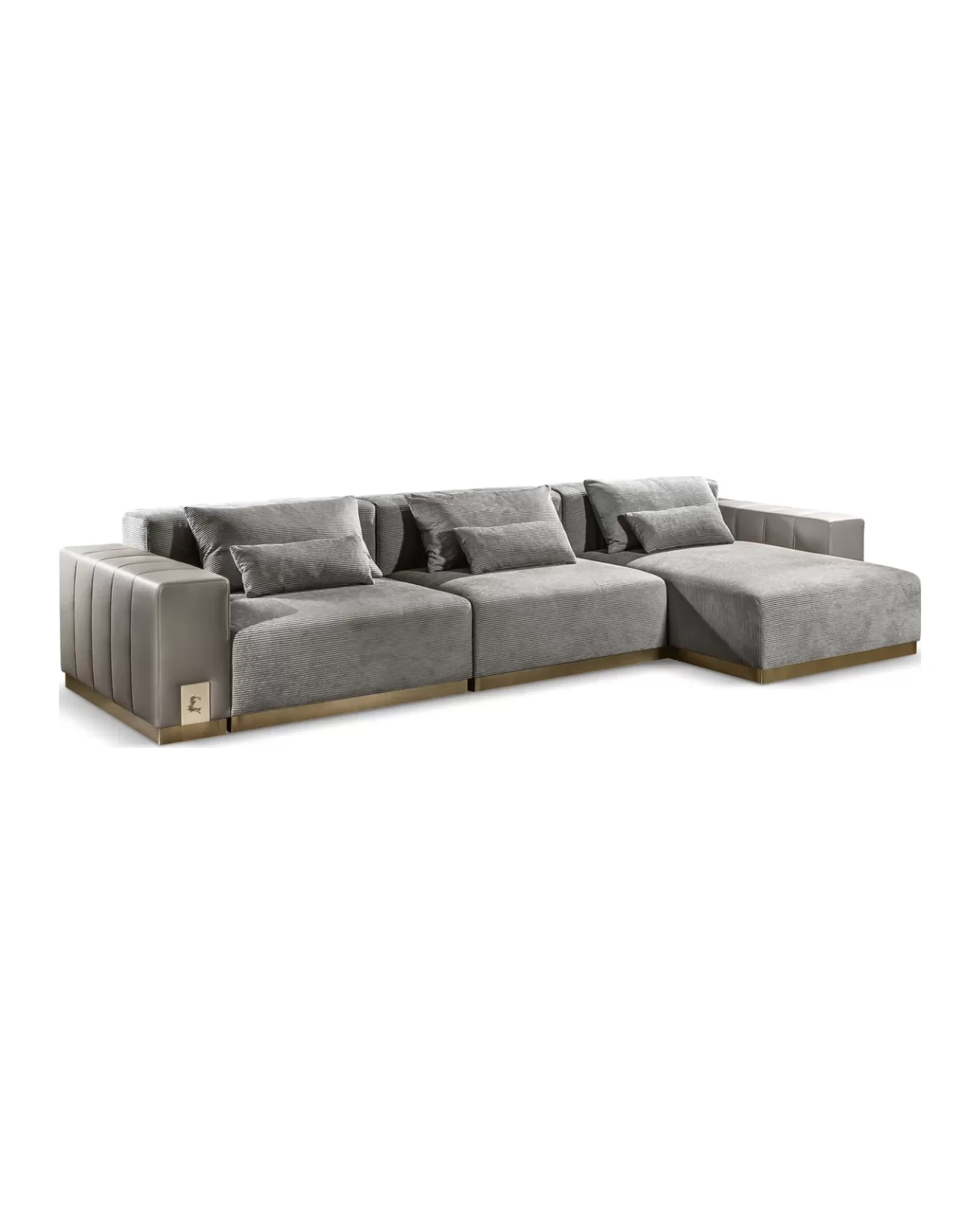
For a modular sofa, every element has its own article code and orientation. Left-facing and right-facing units must be read according to the manufacturer’s technical drawing. Central modules, corners, terminals and chaise longues are placed in a precise sequence, and the total dimensions are calculated from the complete composition.
Orientation is confirmed before quotation. It cannot be established safely from a mirrored photograph, and it cannot be corrected once a made-to-order composition has entered production.
Configurable tables, beds and storage pieces require the same discipline. Changing the top, base, upholstery, internal layout or opening mechanism can alter the product code, dimensions, price and production conditions. The proposal is complete only when every dependency has been resolved.
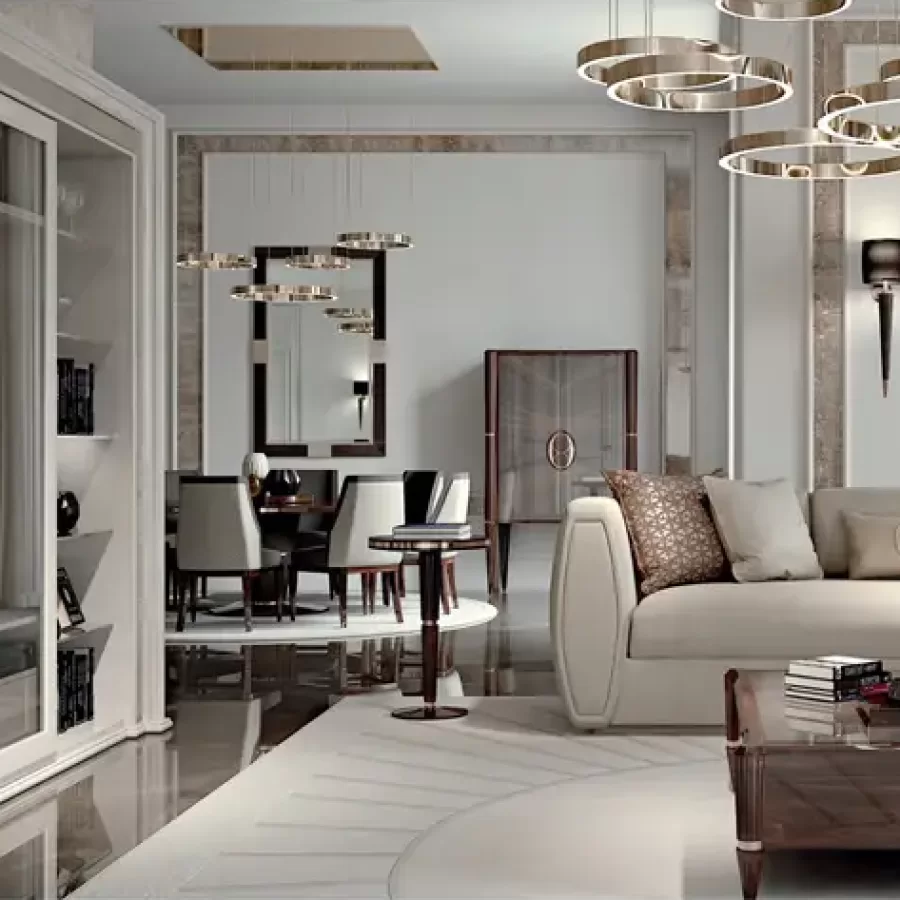
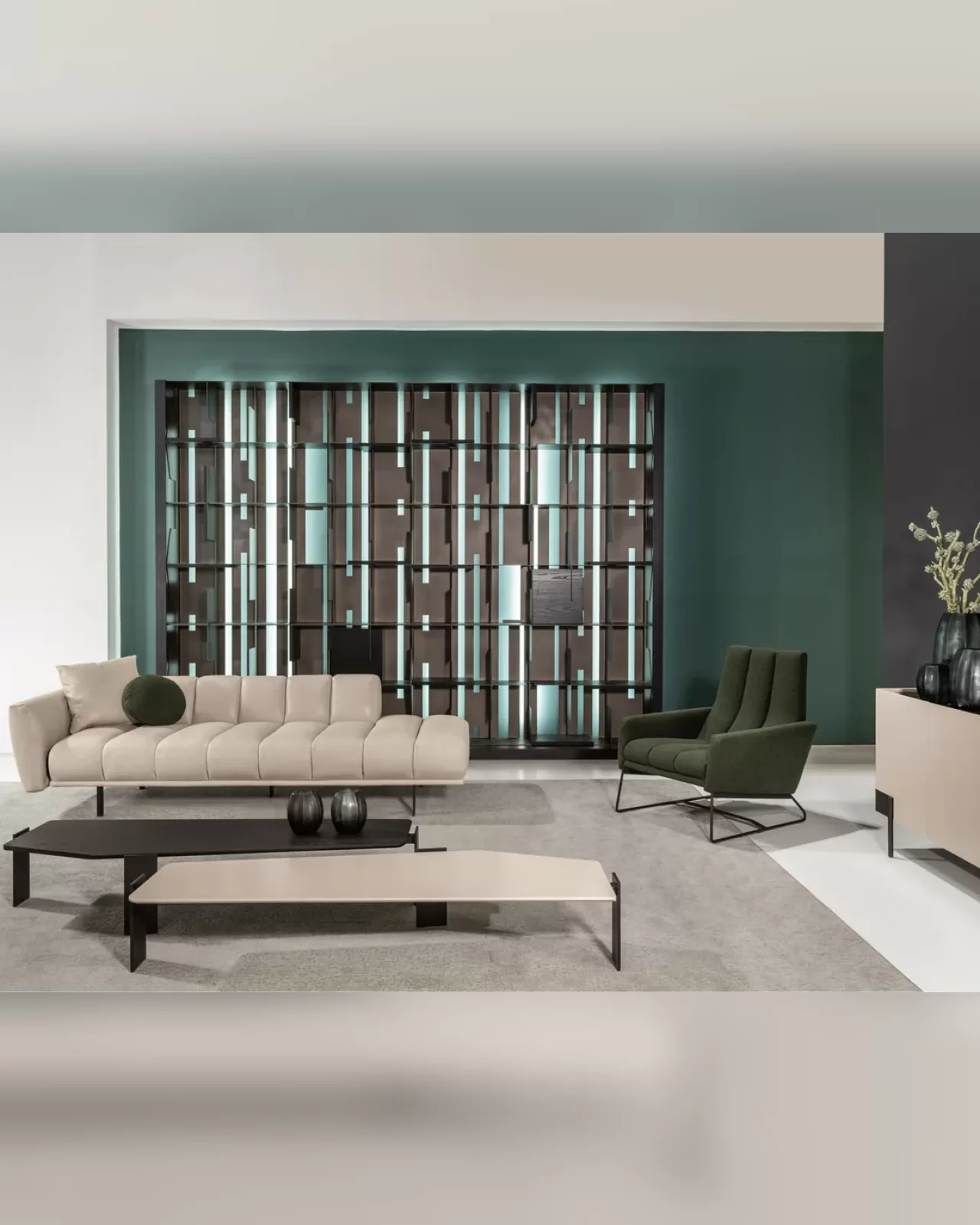
The living area requires coordination between sofas, armchairs, occasional tables, rugs, lighting and the principal viewing or conversation axis. The specification establishes the complete composition, comfort profile, module orientation, table heights and relationship between individual pieces.
The dining table is evaluated through its usable dimensions, base position, extension system where applicable and relationship with the chairs. The specification also considers the visual proportion of the table within the room and the space required for comfortable use.
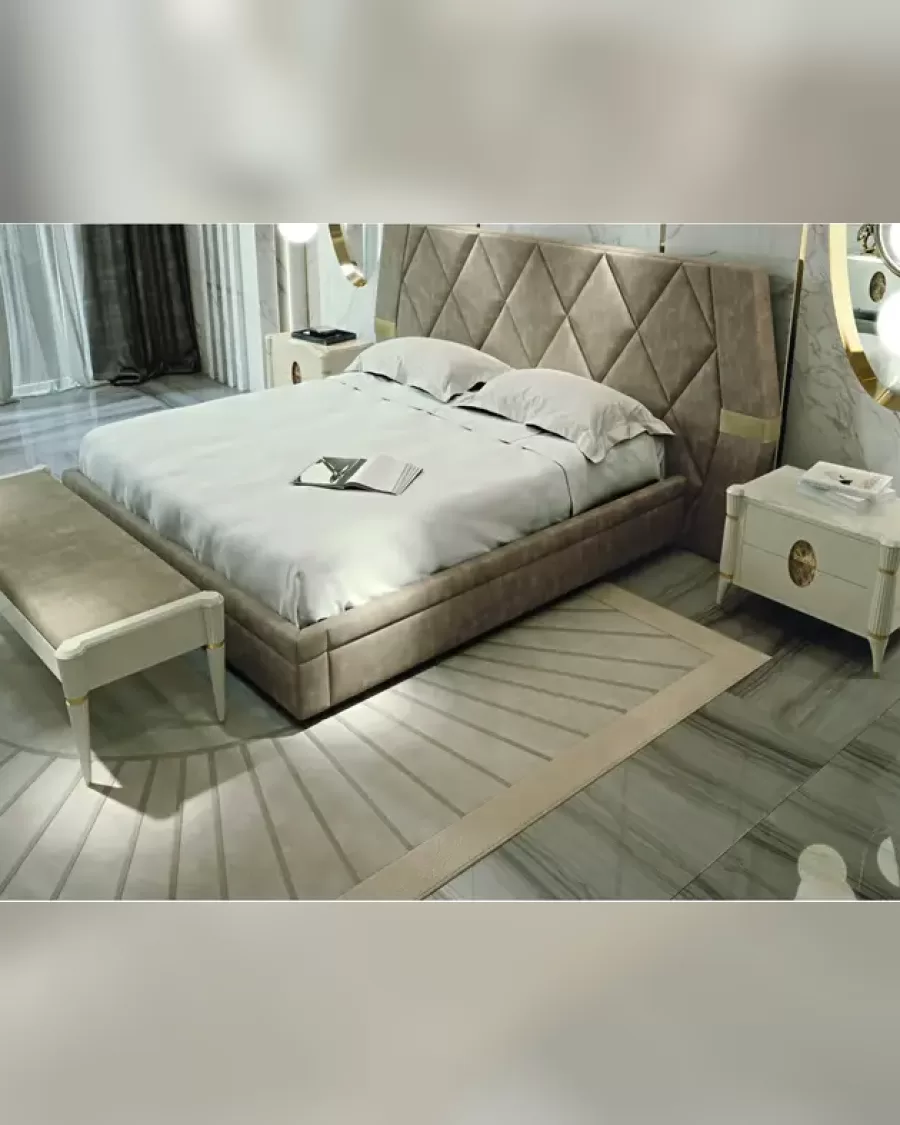
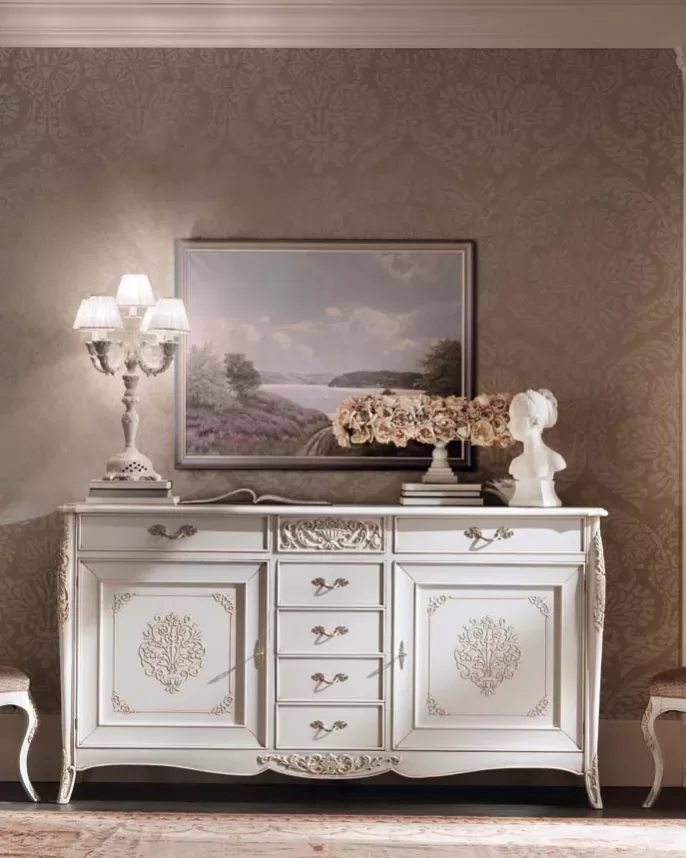
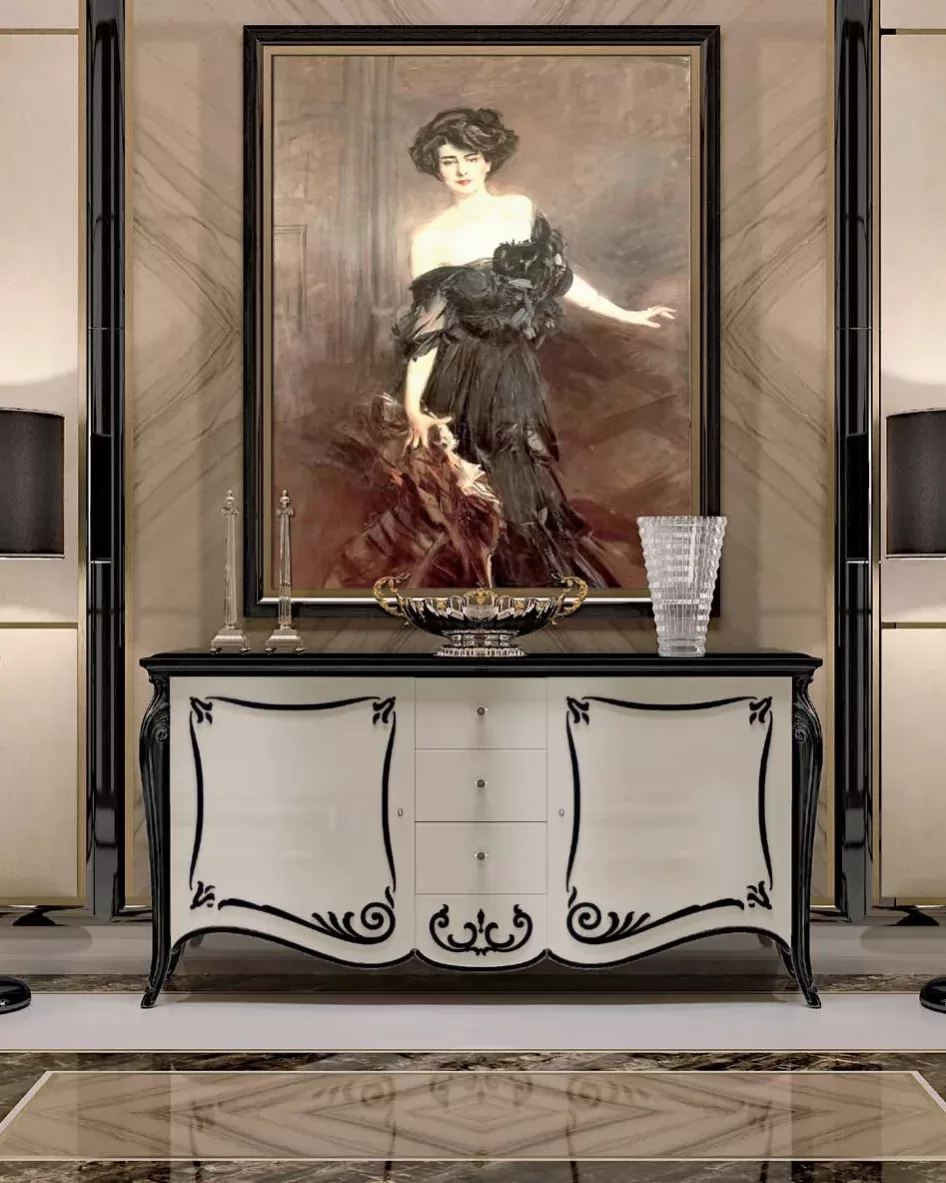
Beds are coordinated with mattress dimensions, upholstered frame proportions, bedside units and lighting. Wardrobes, chests and dressing units are verified against available walls, opening systems, internal organisation and daily access.
When furniture from several collections or brands is combined, Nobili Design controls scale, material relationships, colour temperature, metal finishes and the hierarchy between statement pieces and quieter elements. The objective is a unified interior with a distinct identity in every room.
This approach extends across our complete range of Italian furniture, from individual pieces to coordinated living rooms, dining areas, bedrooms and complete residential compositions.
Nobili Design converts manufacturer documentation into a clear furniture proposal for the individual project.
The process includes:
This process removes ambiguity before production. Every item is connected to a model, article code, dimension, configuration and finish reference.
The client receives a coordinated proposal prepared for the actual interior, with the information required to understand and approve every furniture decision.
Depending on the project, the documentation identifies:
For complete projects, furniture specification becomes part of our interior design services, connecting the furniture proposal with the architectural concept, lighting, materials and technical documentation.
Furniture specification and configuration
Send us the architectural plan, room dimensions and the furniture categories required for your project. Nobili Design will verify the appropriate collections, technical configurations and finish options, then prepare a precise proposal for individual pieces or a complete residential interior.
Request a Furniture ProposalThe architectural plan, room dimensions, access conditions, required furniture categories and intended use provide the starting point. Nobili Design then verifies the exact models, configurations and current manufacturer documentation.
No. A photograph identifies the visual character of a model, but the order requires an exact article code, dimensions, orientation, upholstery or finish references and every selected option.
Each module is identified individually by article code, dimensions and orientation. The modules are placed in sequence, the complete footprint is verified on the architectural plan, and the final composition is confirmed before quotation.
It identifies the orientation of an armrest, chaise longue or terminal module according to the manufacturer’s technical drawing. The convention must be checked for each collection and never inferred from a mirrored image.
Yes. Nobili Design coordinates products from different brands through proportion, materials, colour, finish and visual hierarchy, creating a coherent interior without repeating one collection throughout the home.
Samples establish the approved colour and finish reference. Natural leather, wood and stone retain individual variations in grain, veining and tone, which are intrinsic to authentic materials.
The final model, dimensions, quantity, configuration, orientation, materials, finishes, optional elements, quotation and production conditions are confirmed before the order enters production.