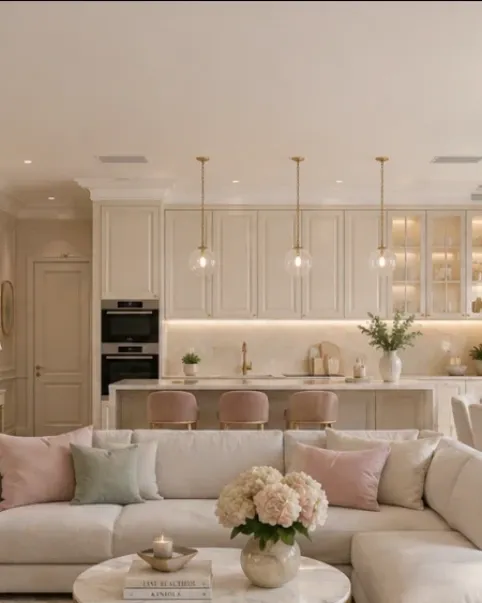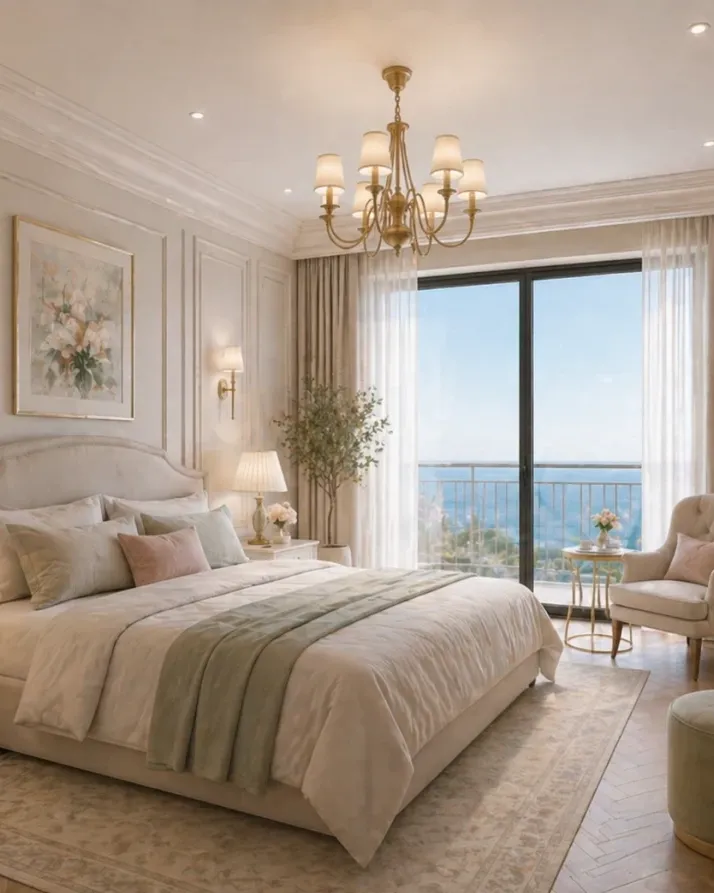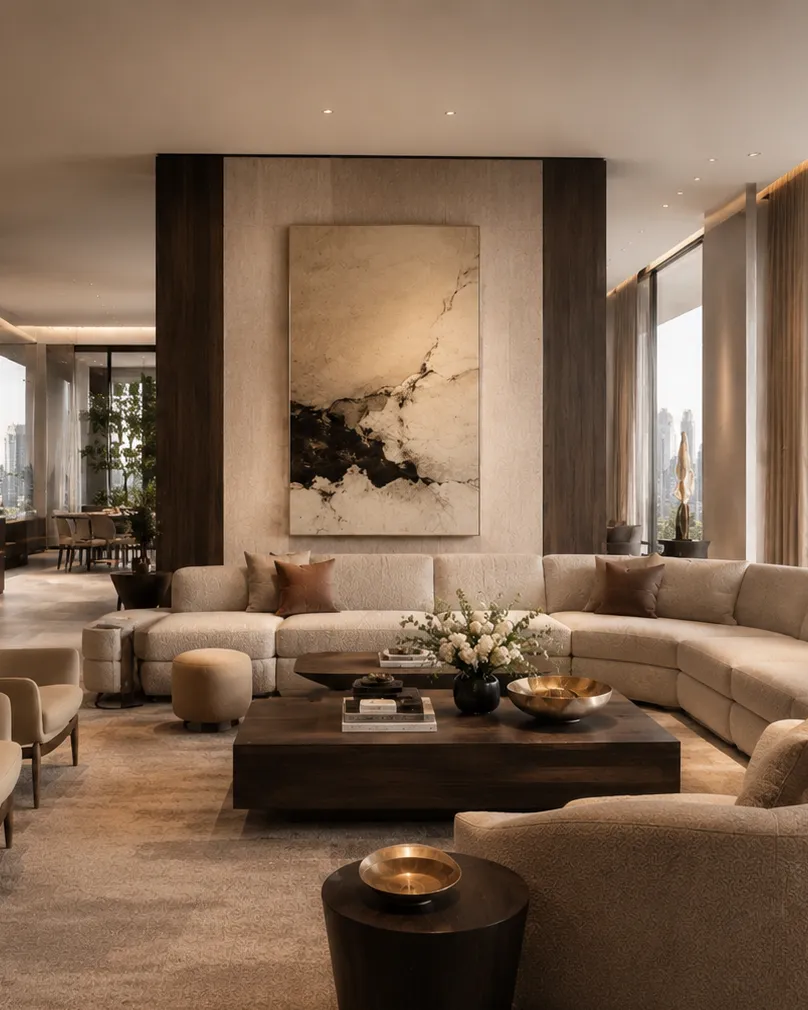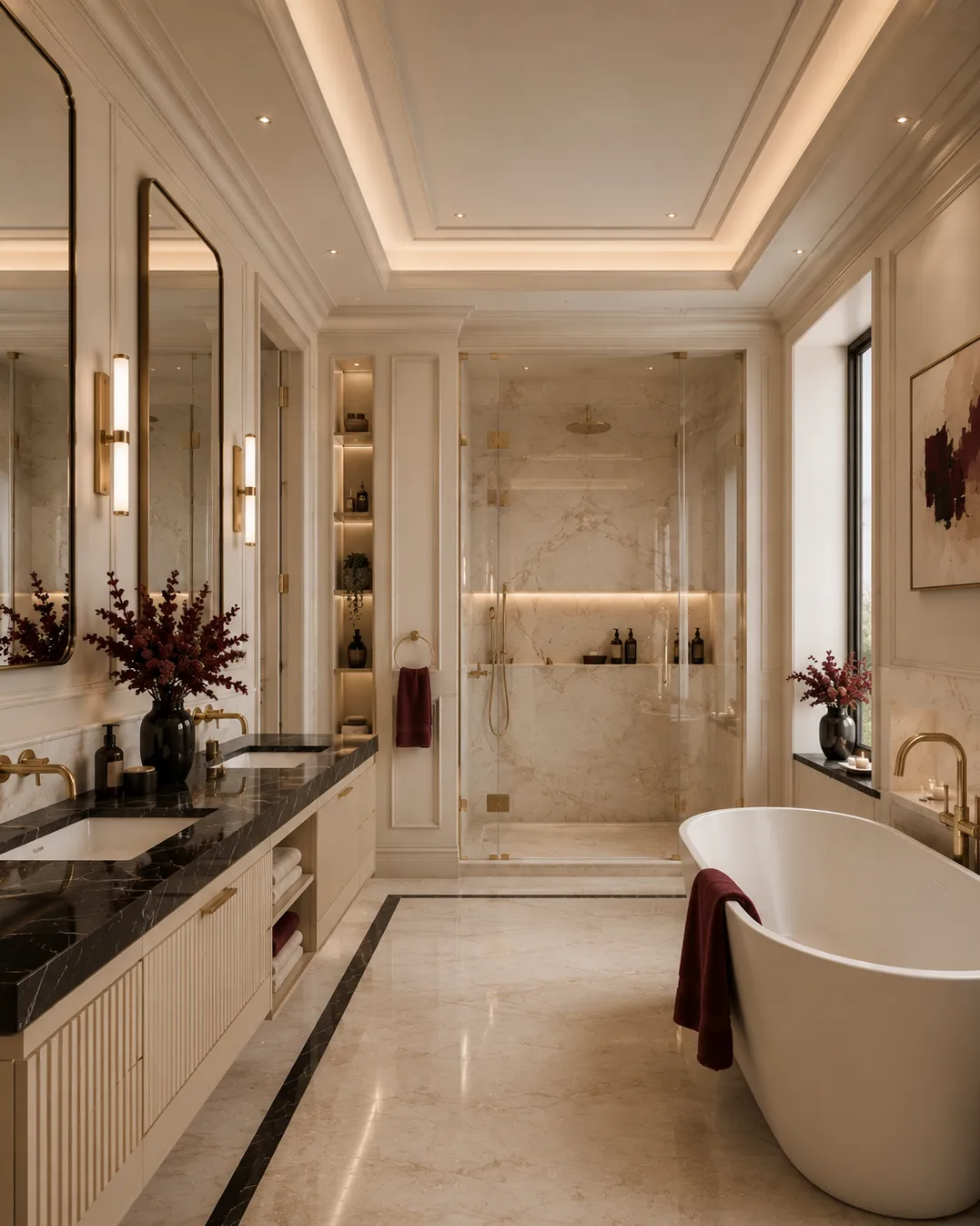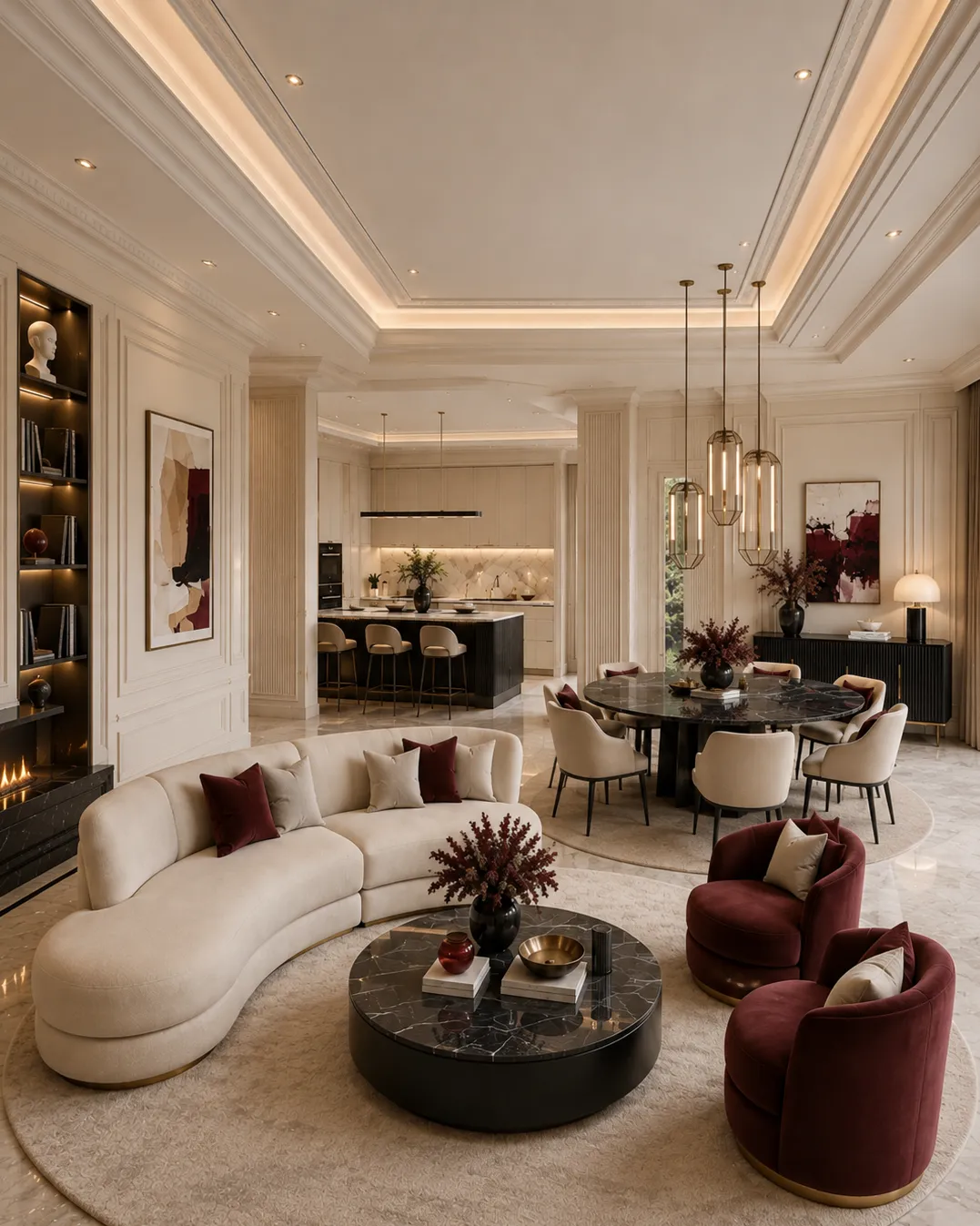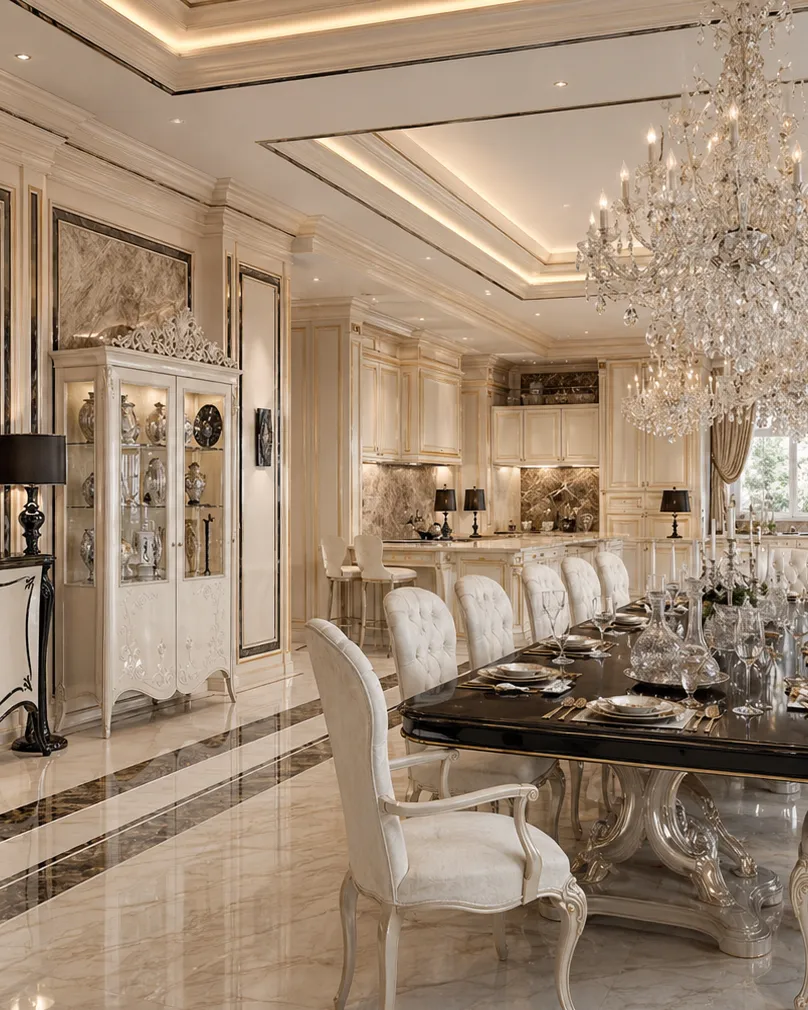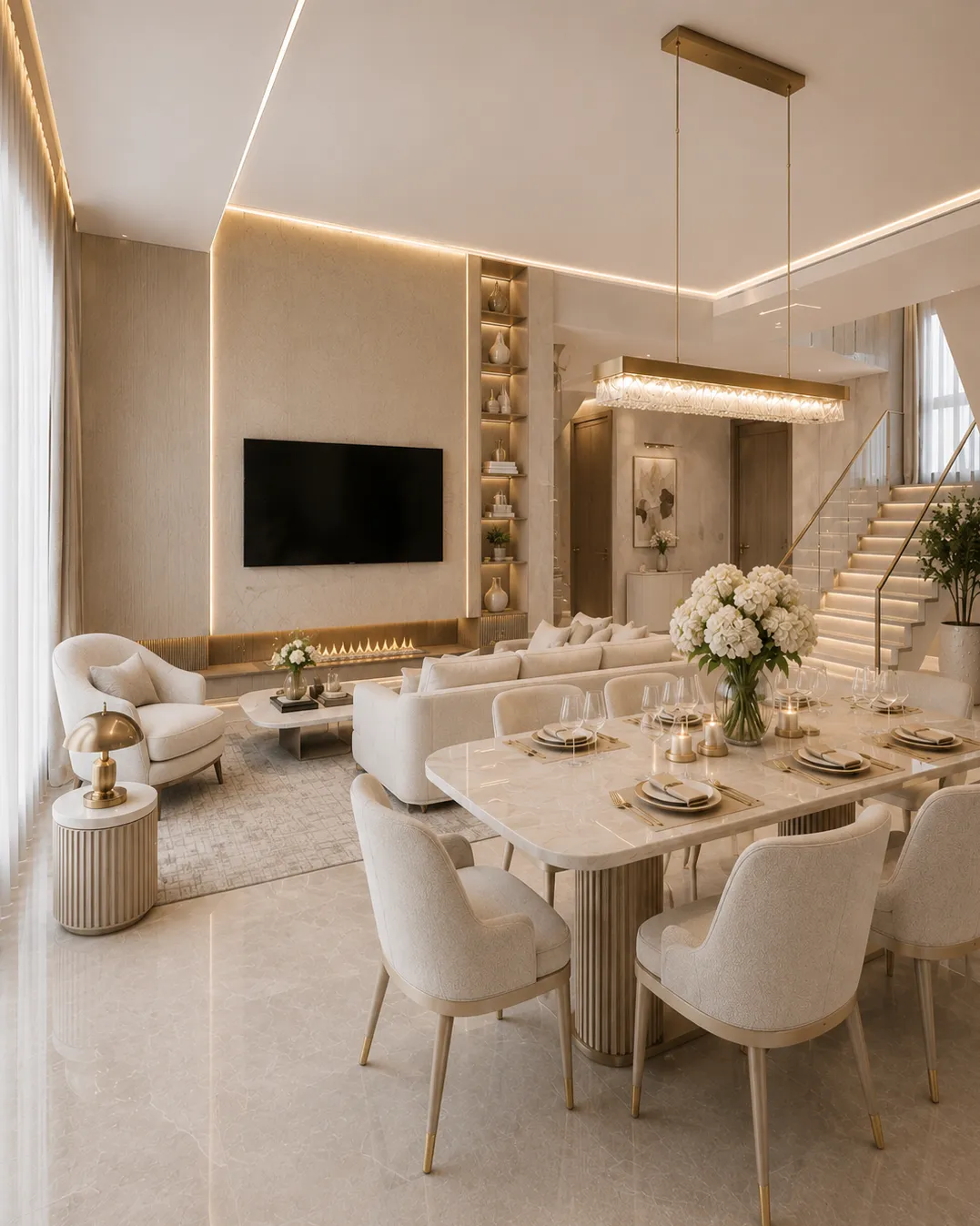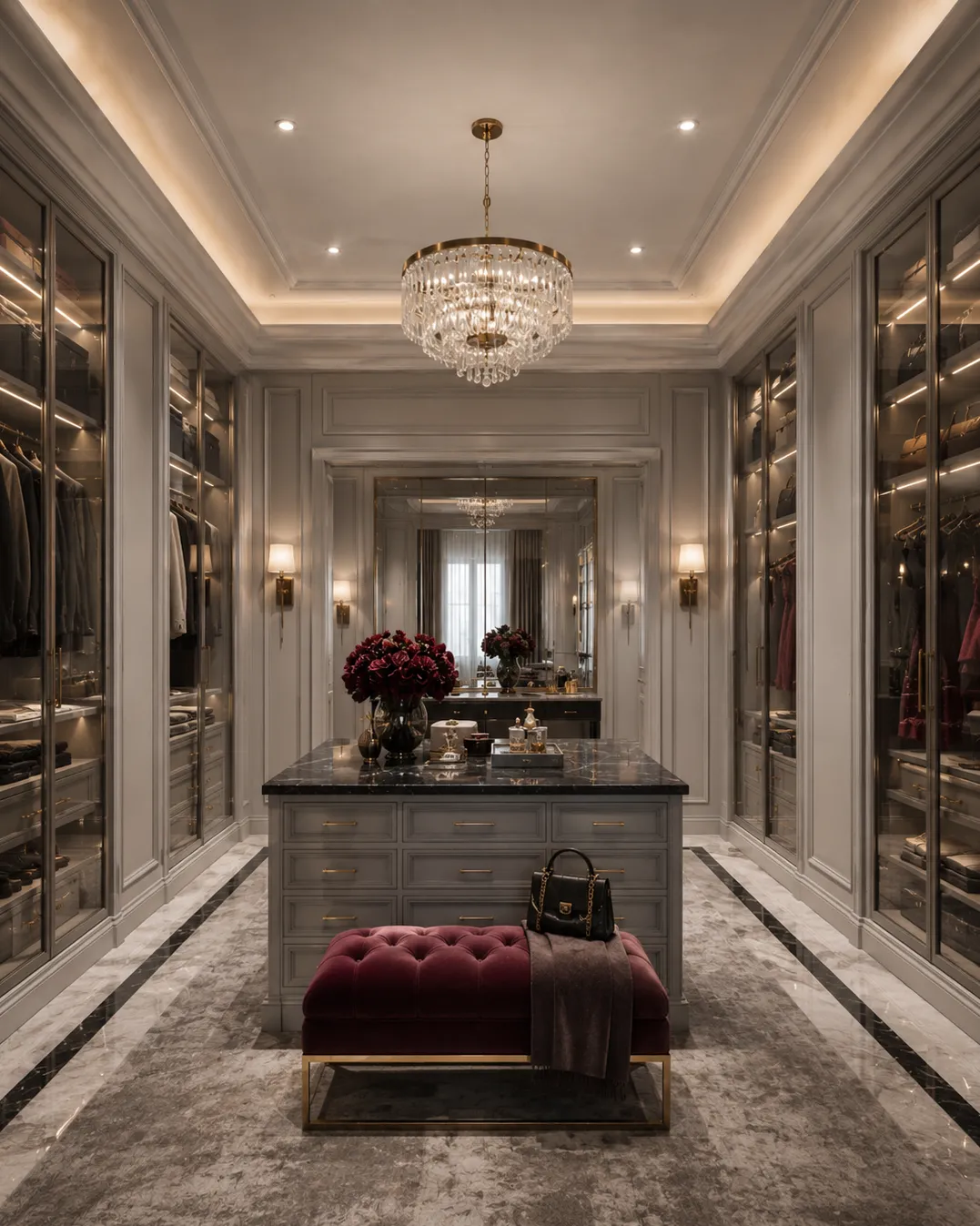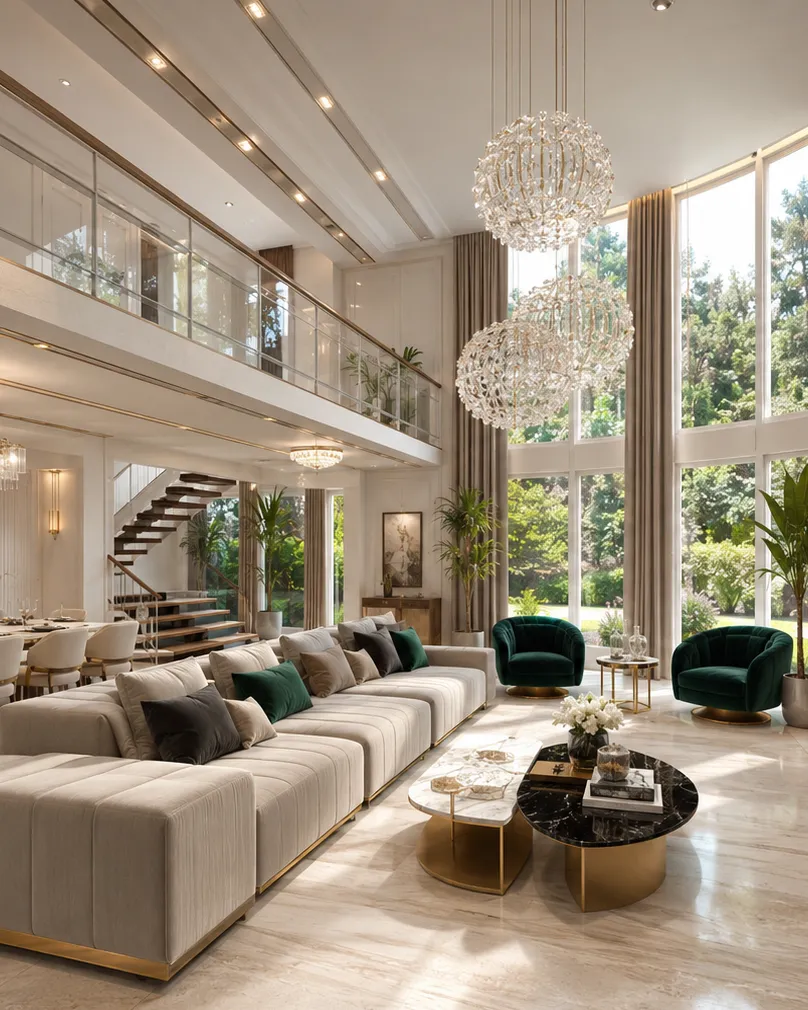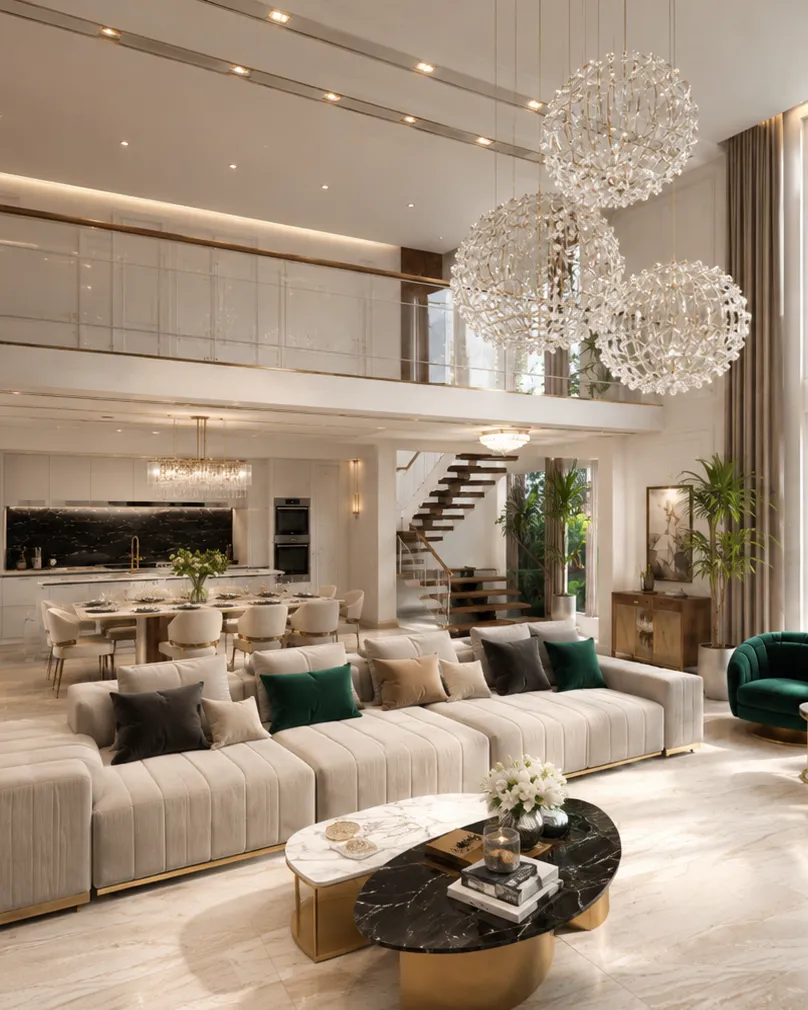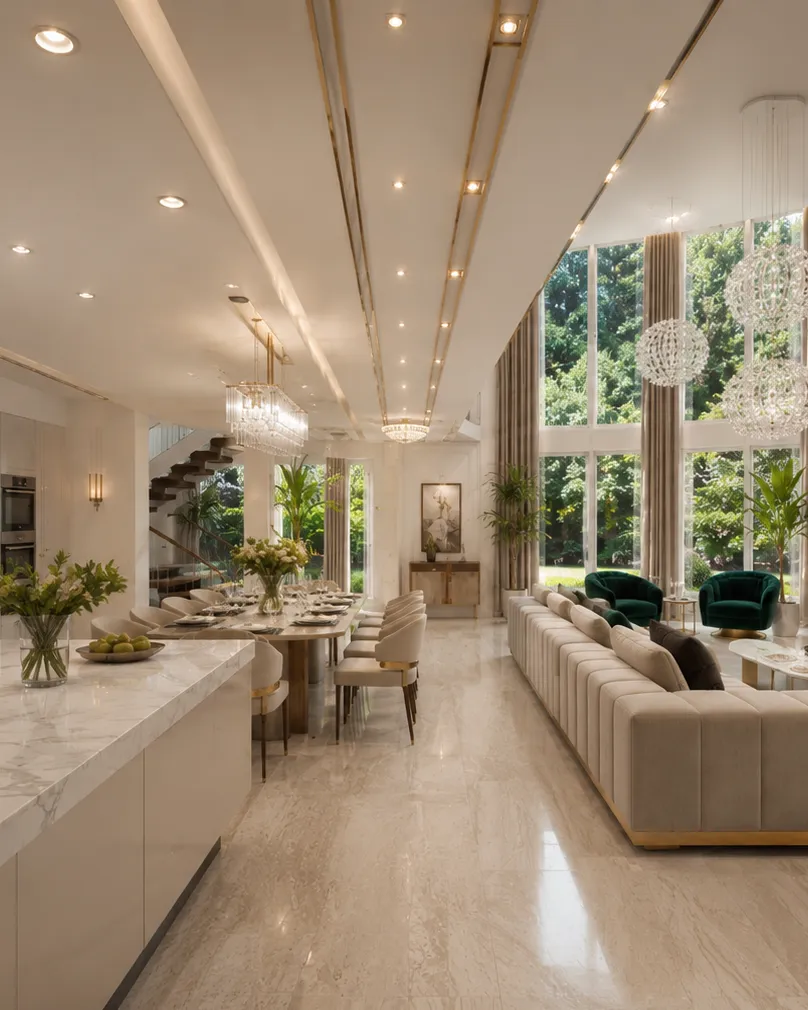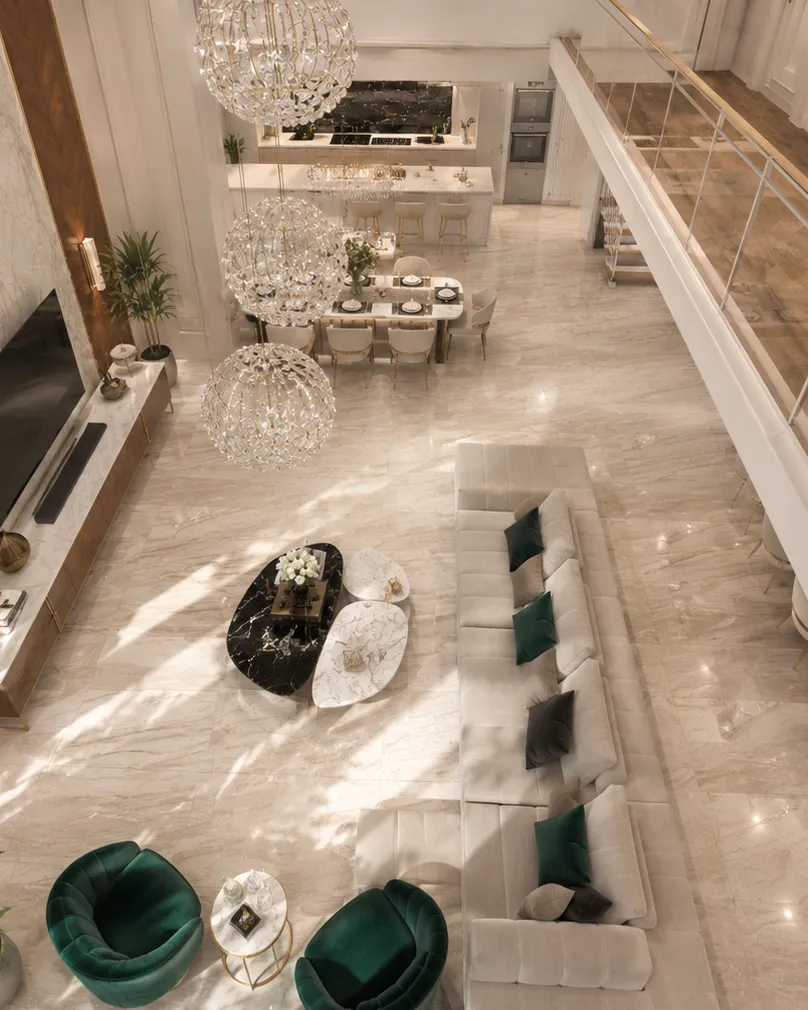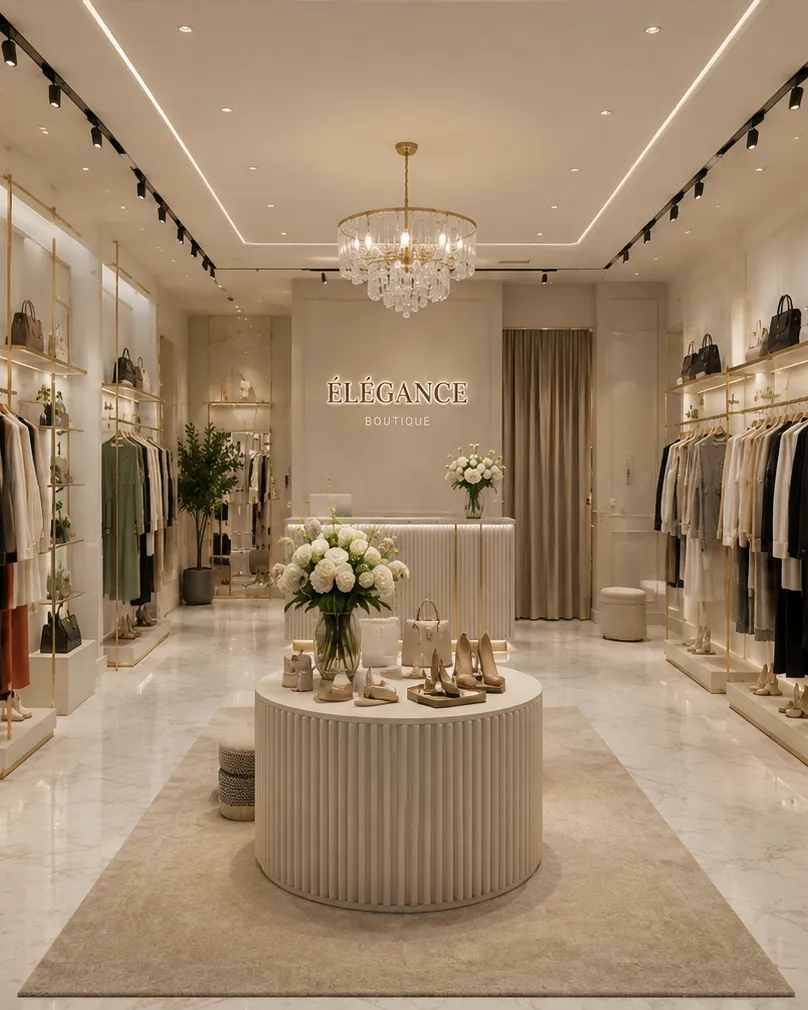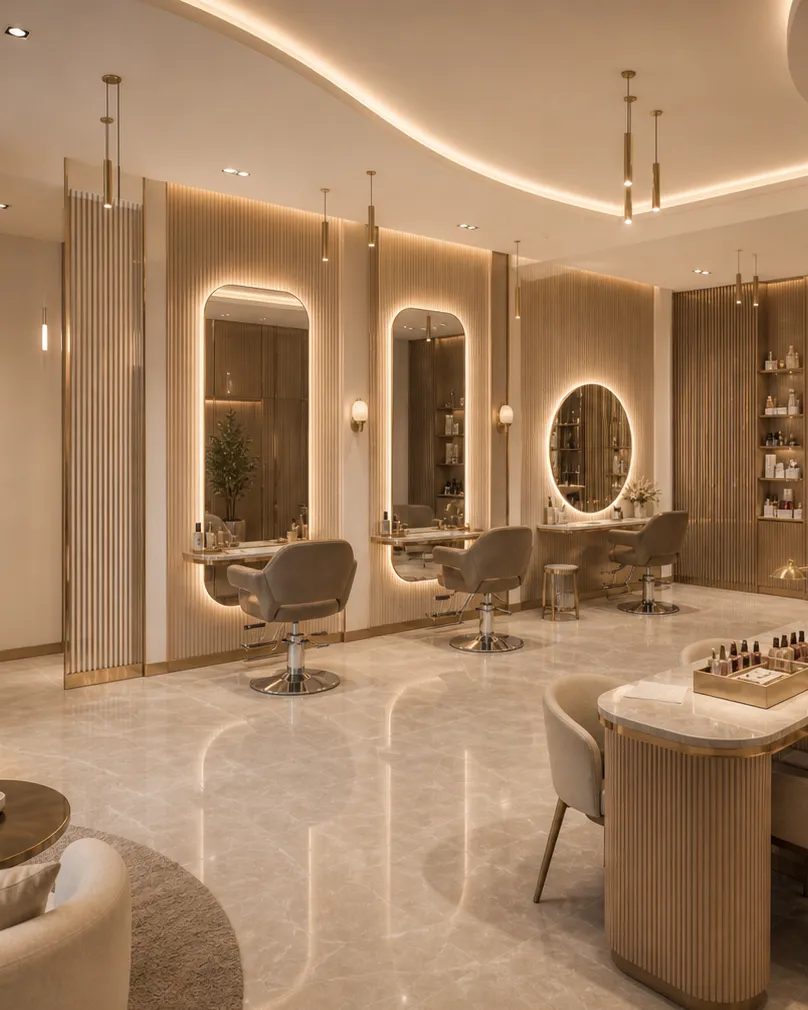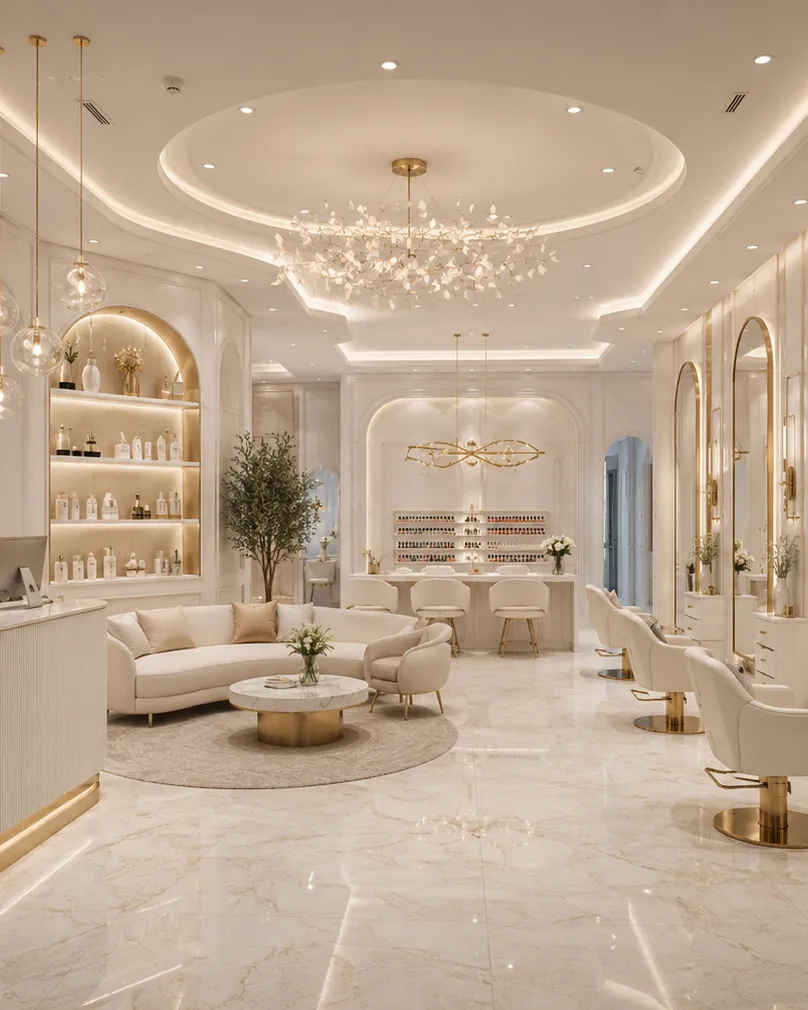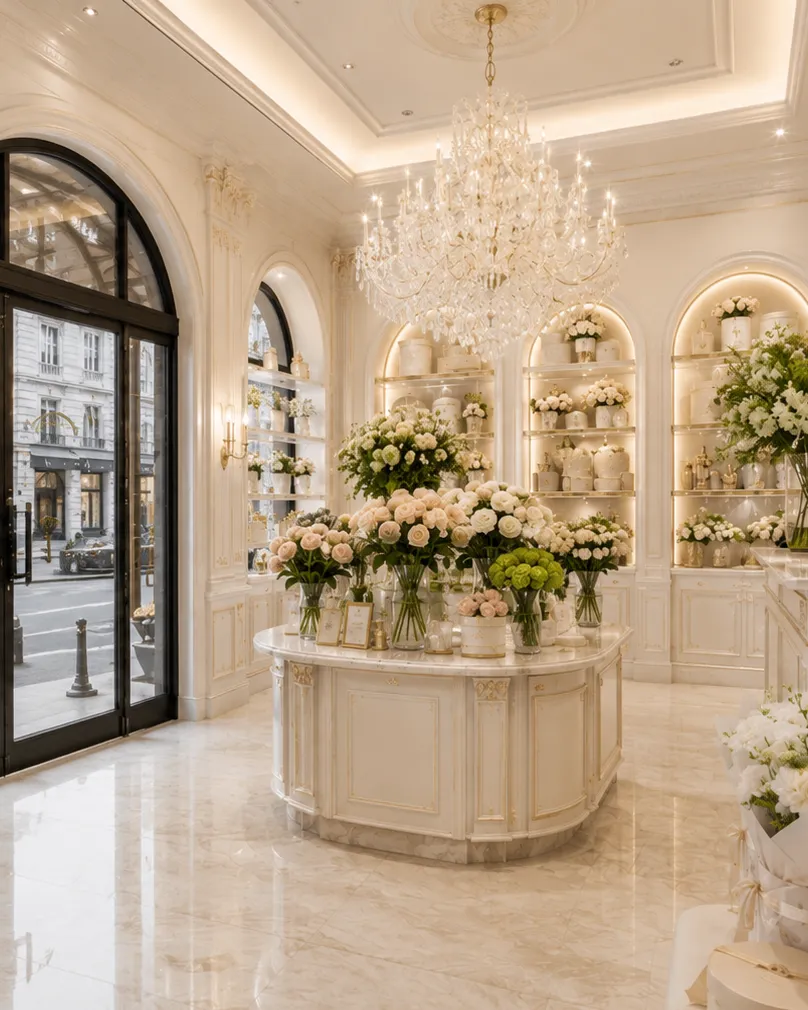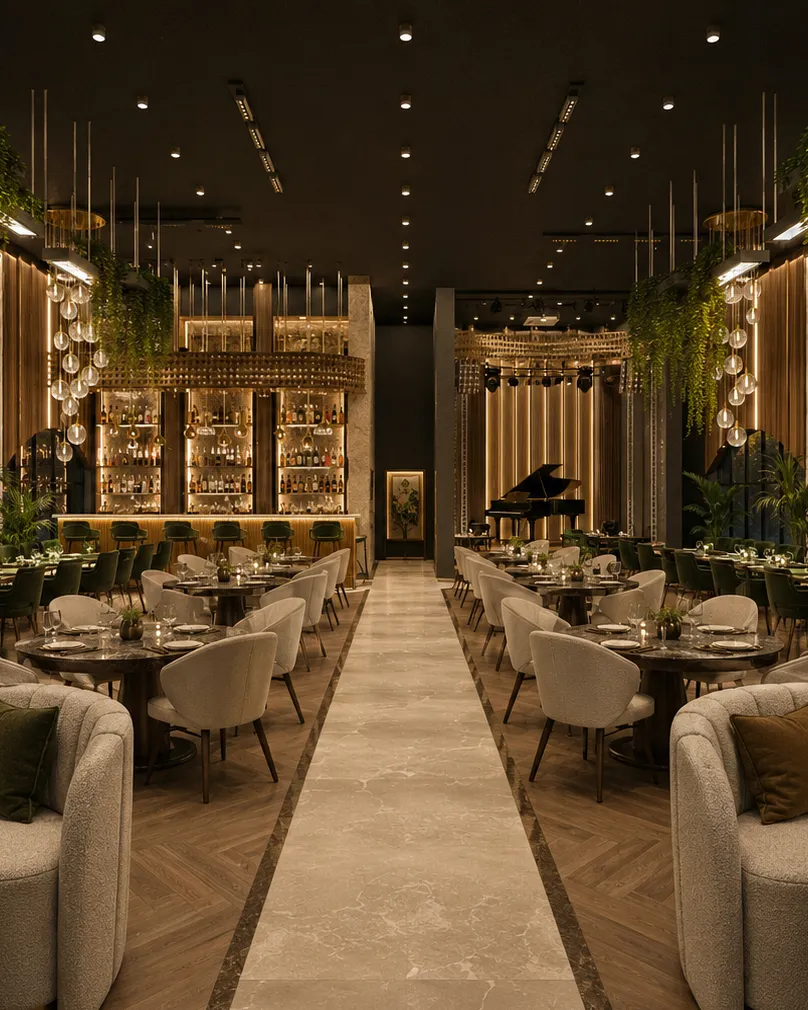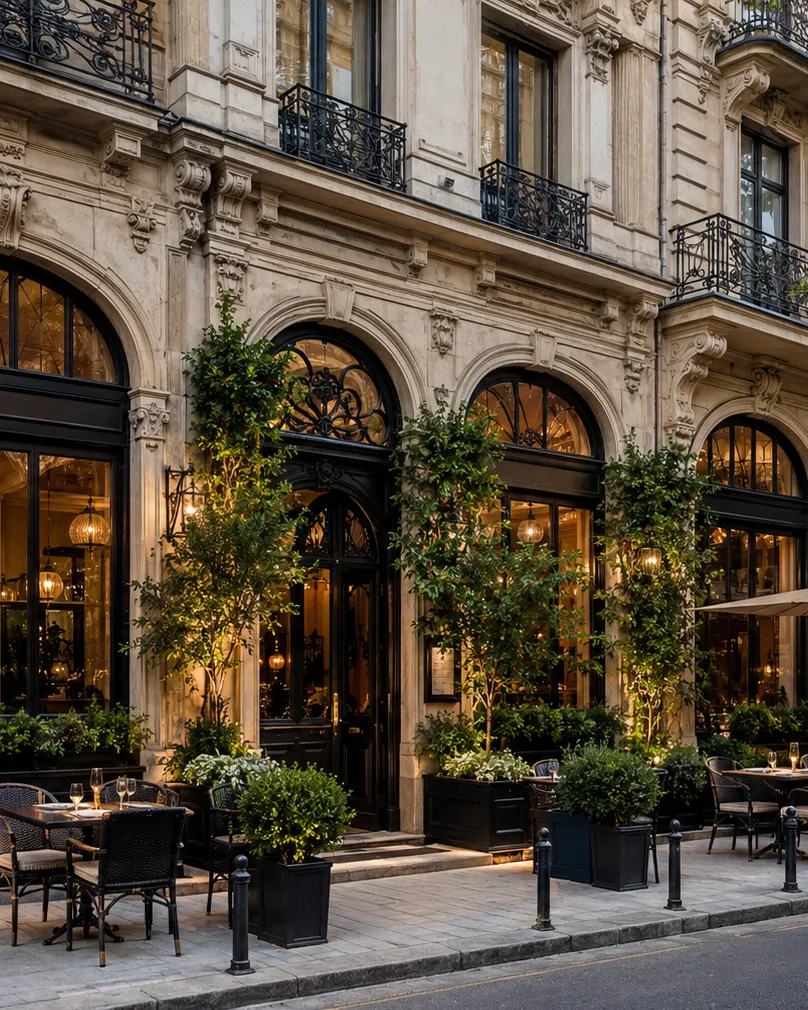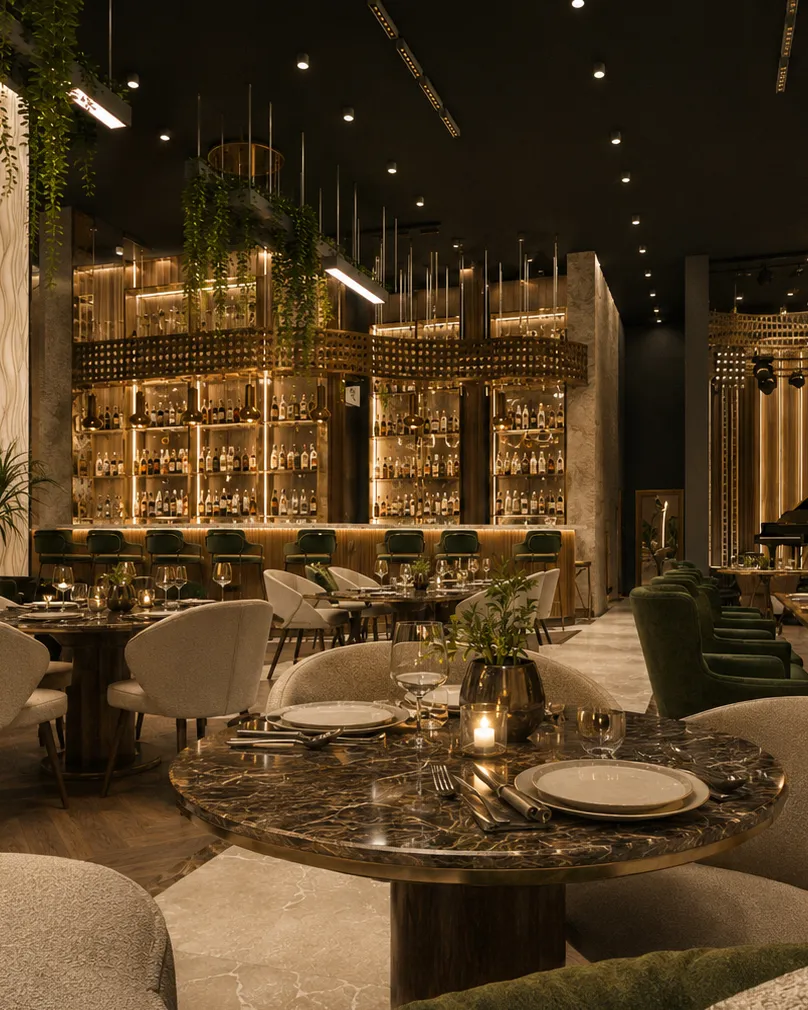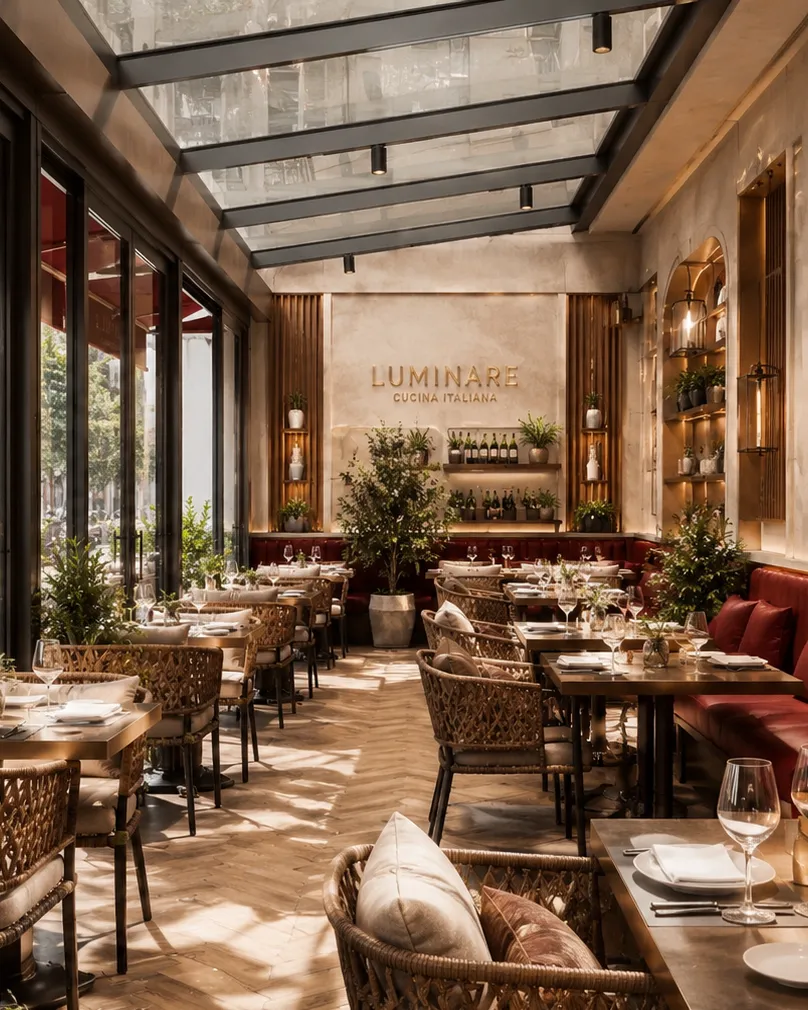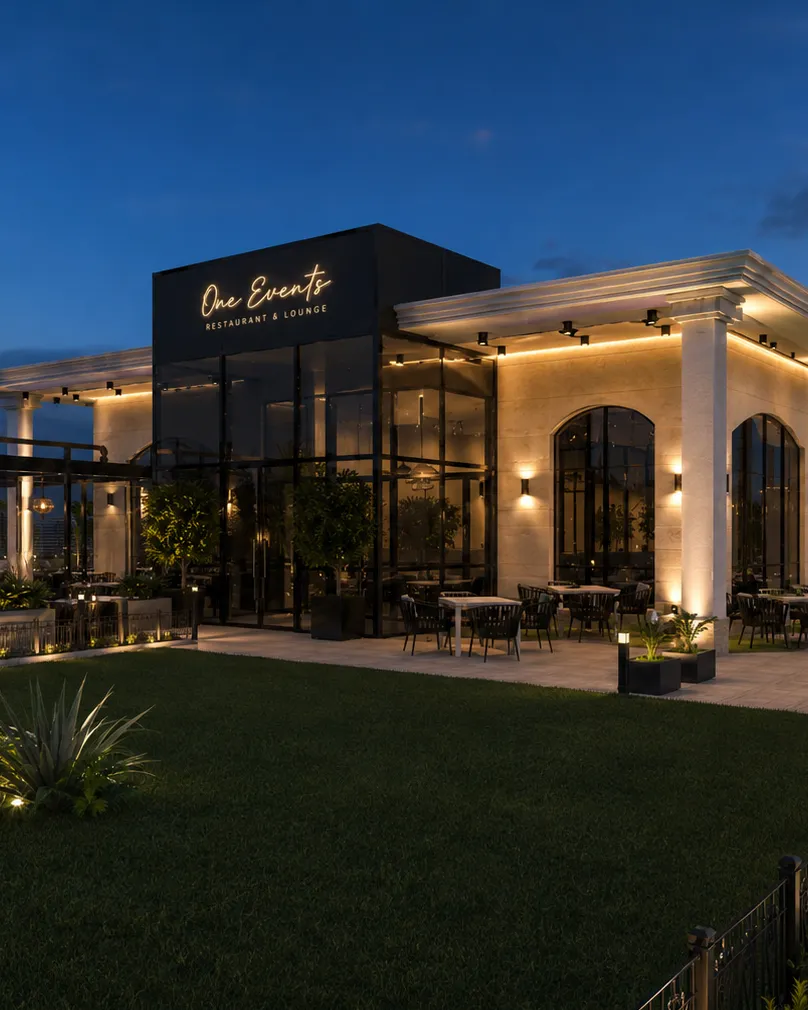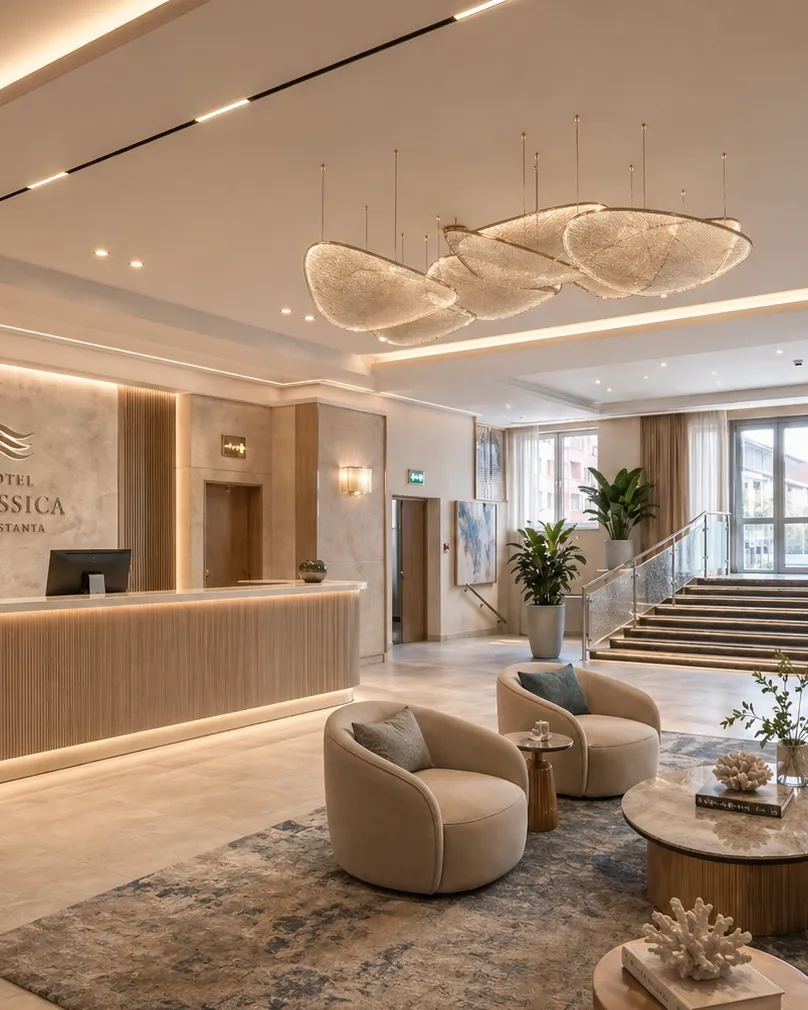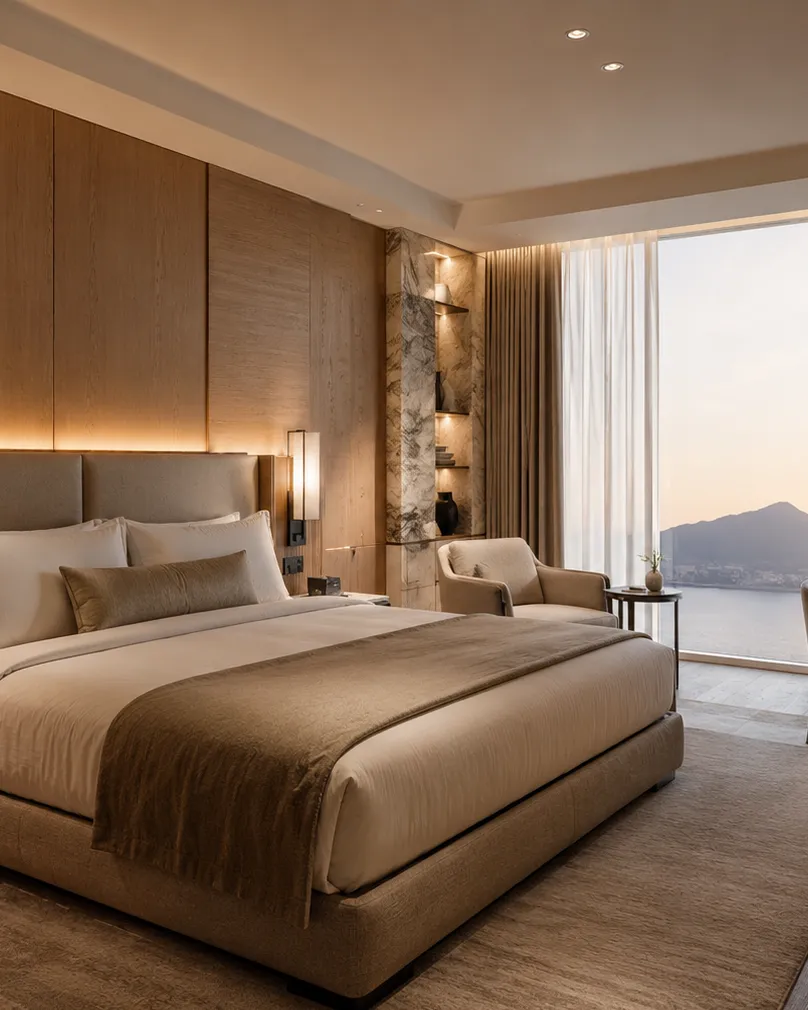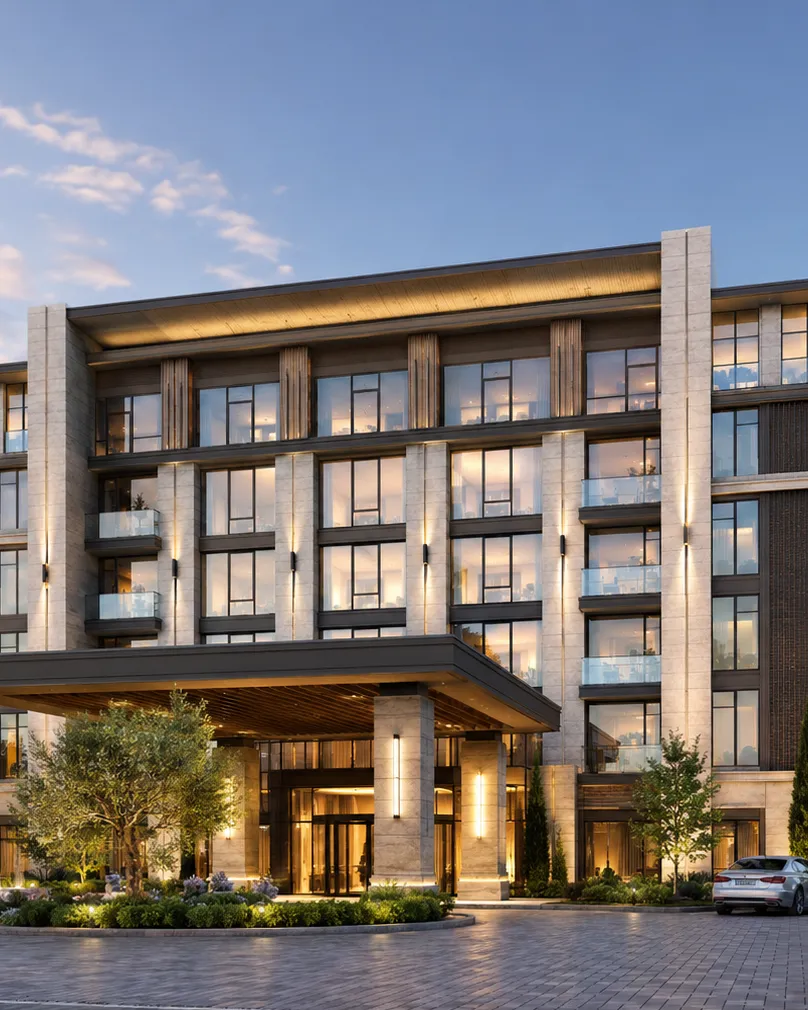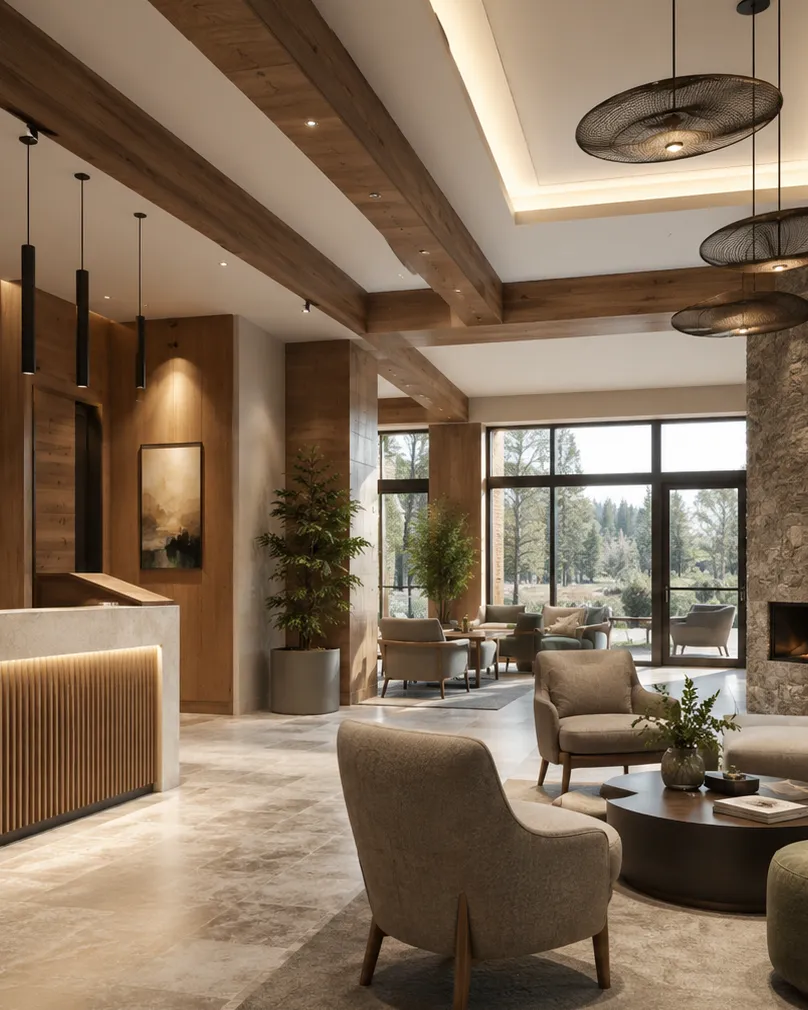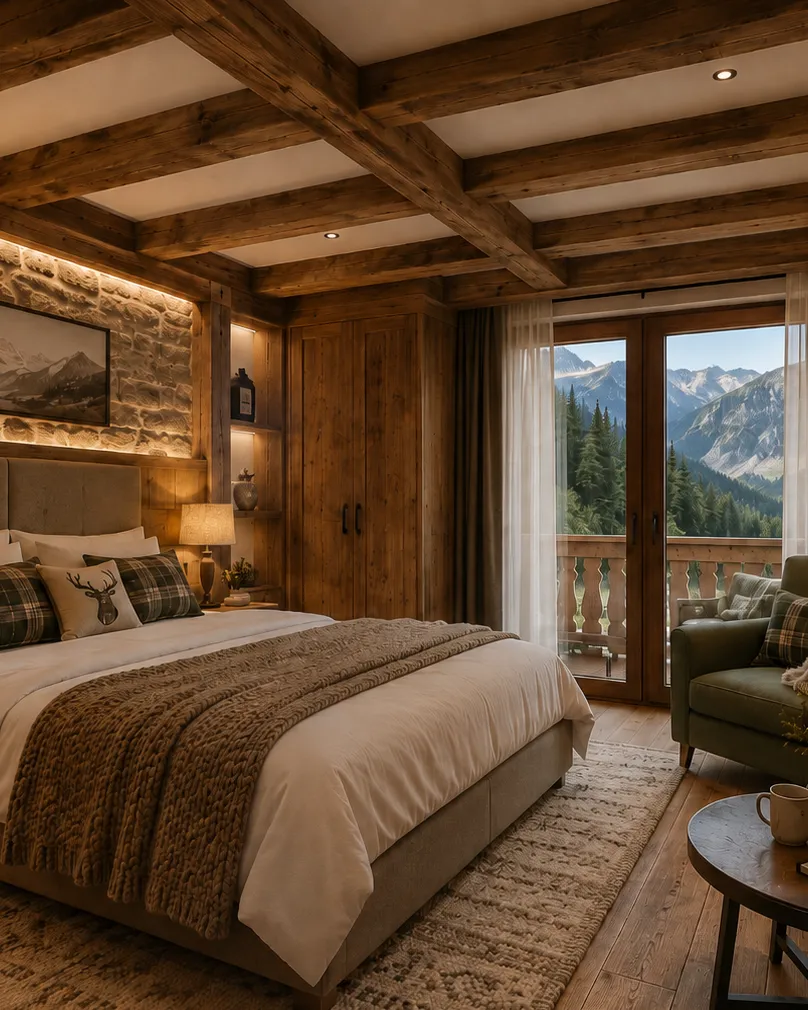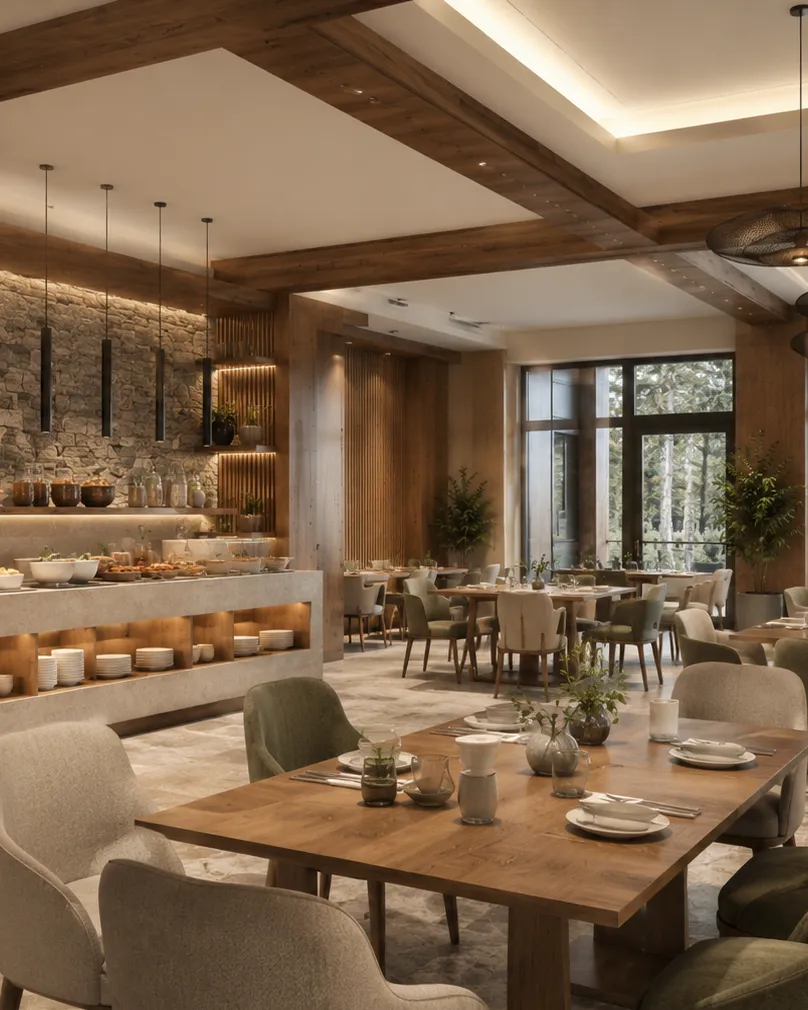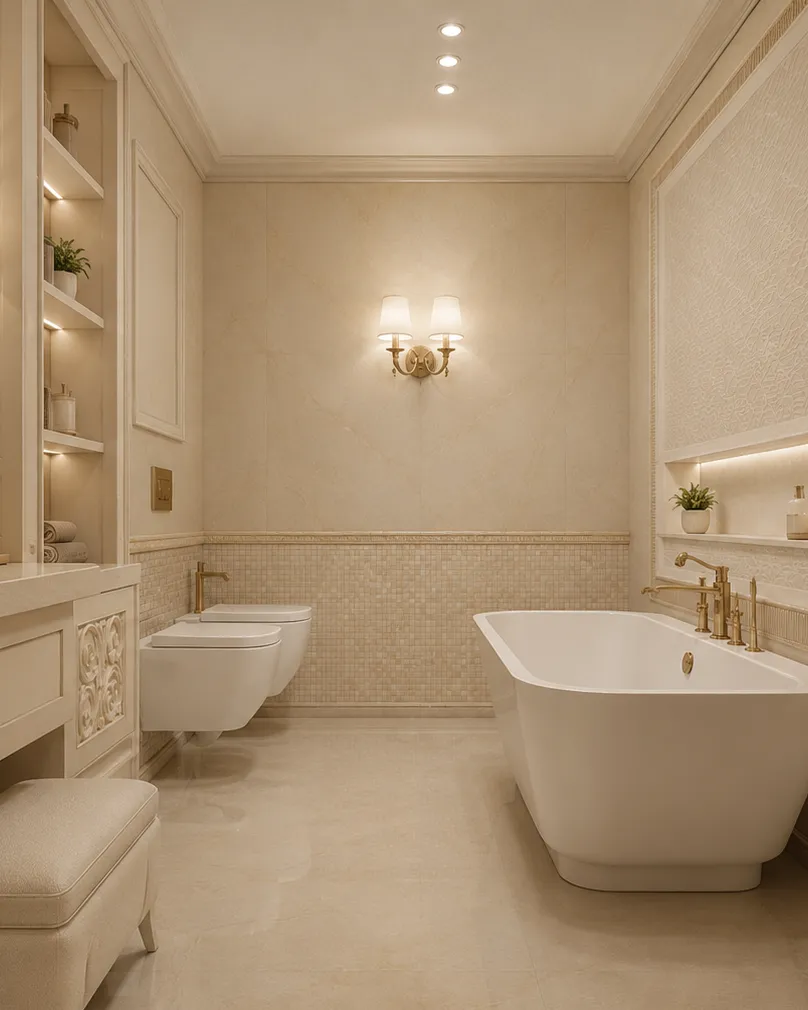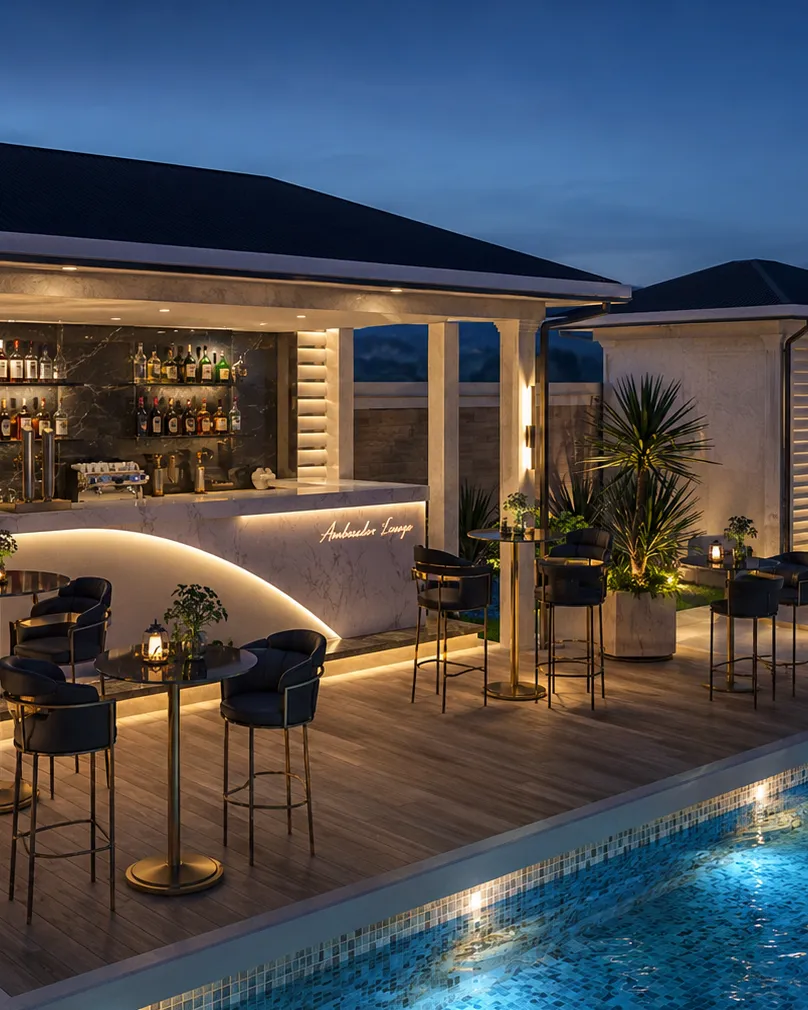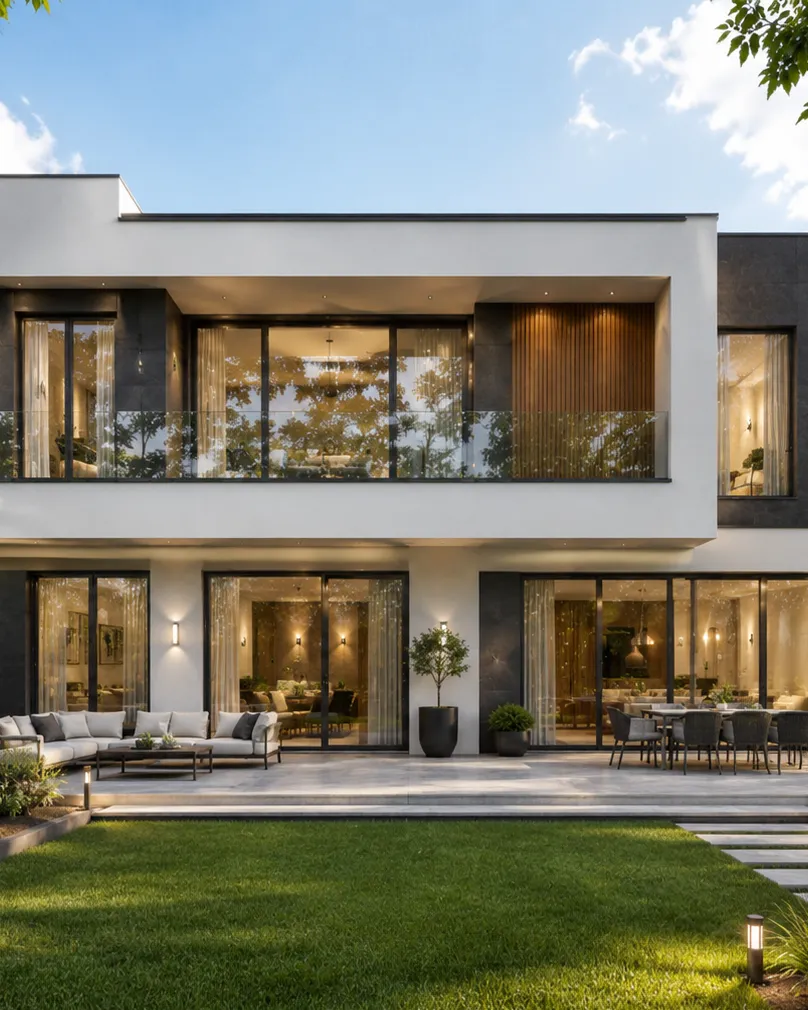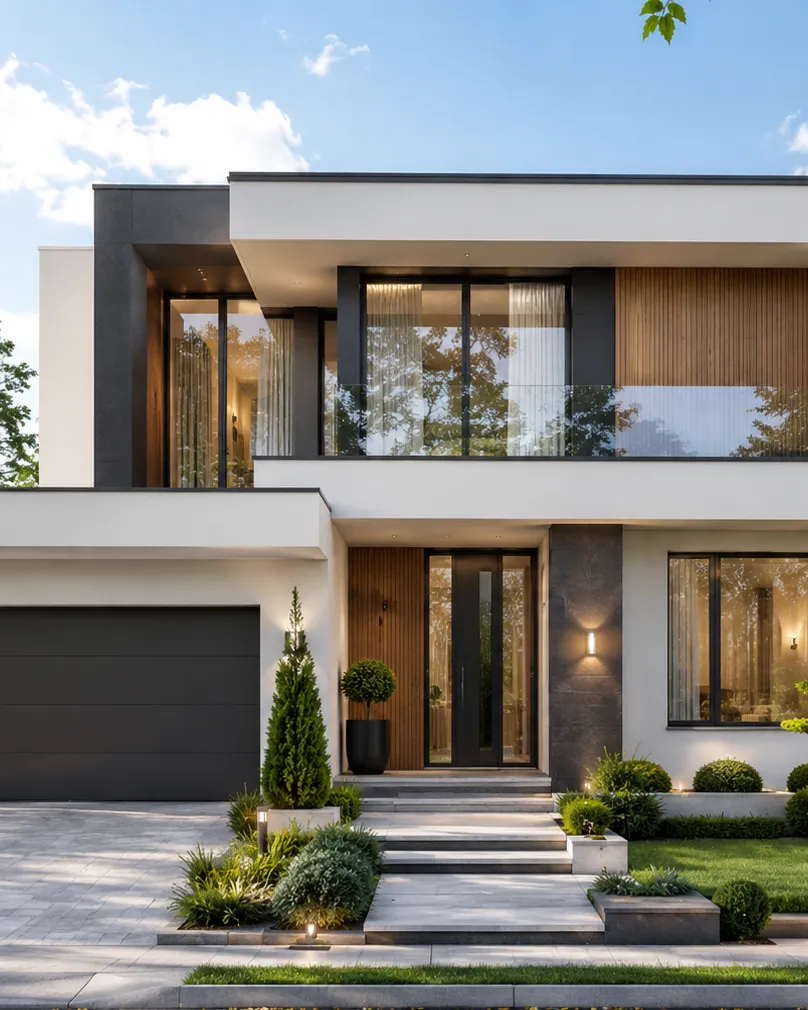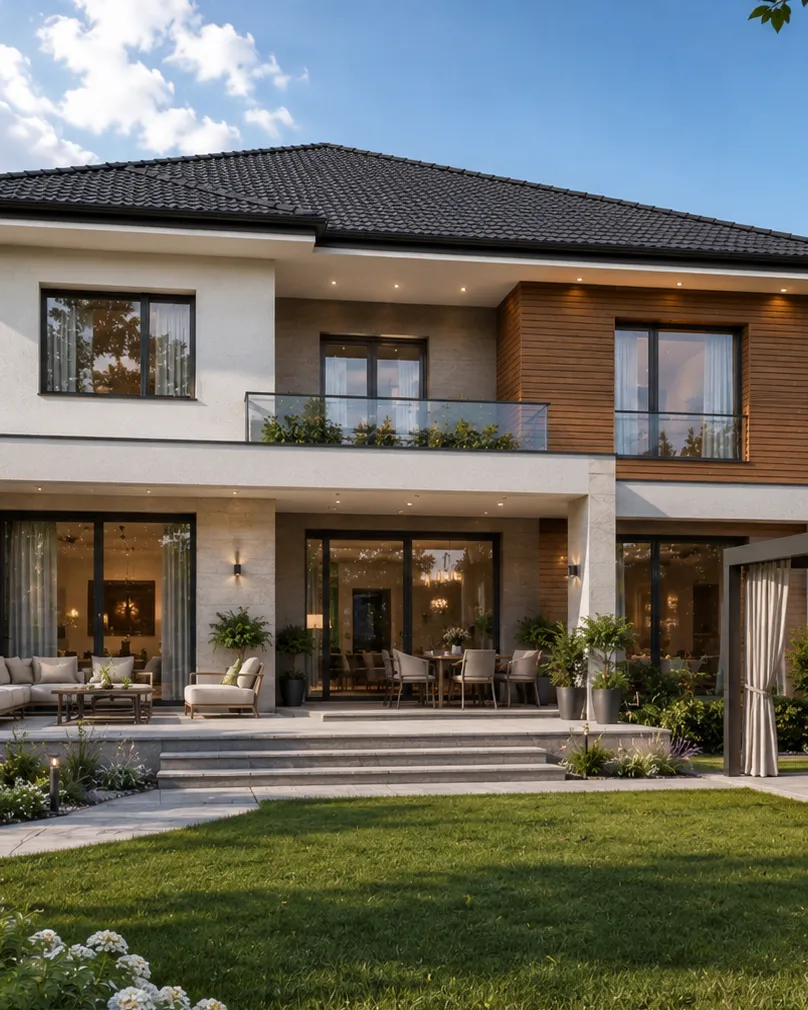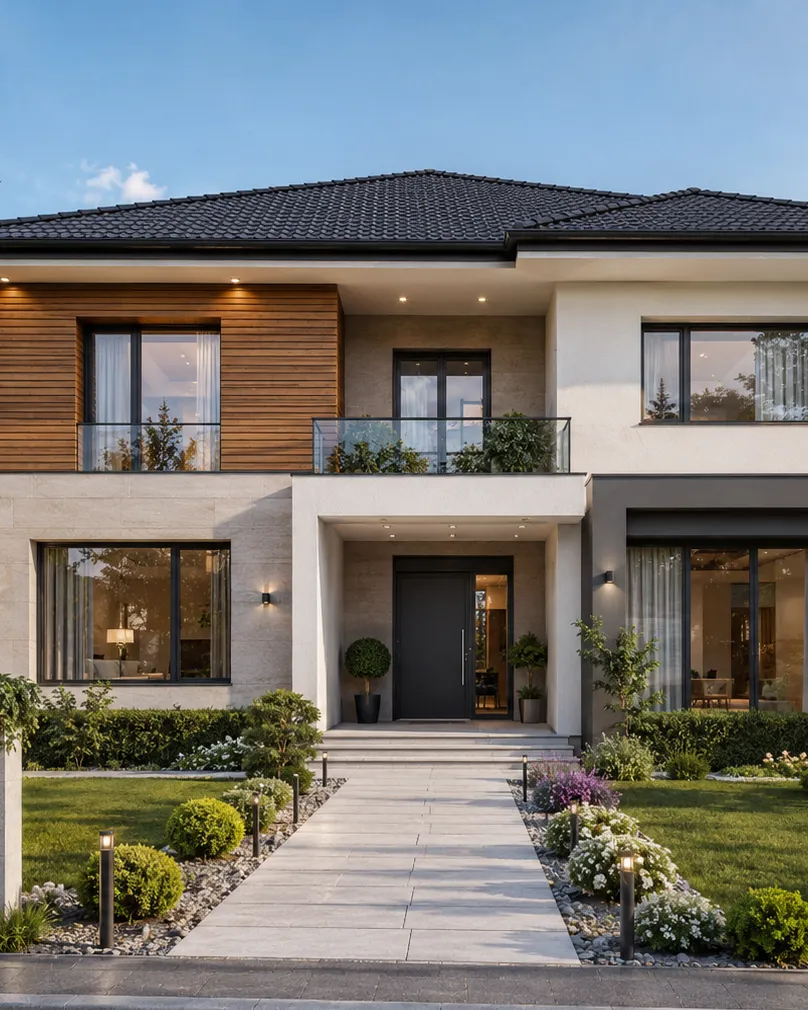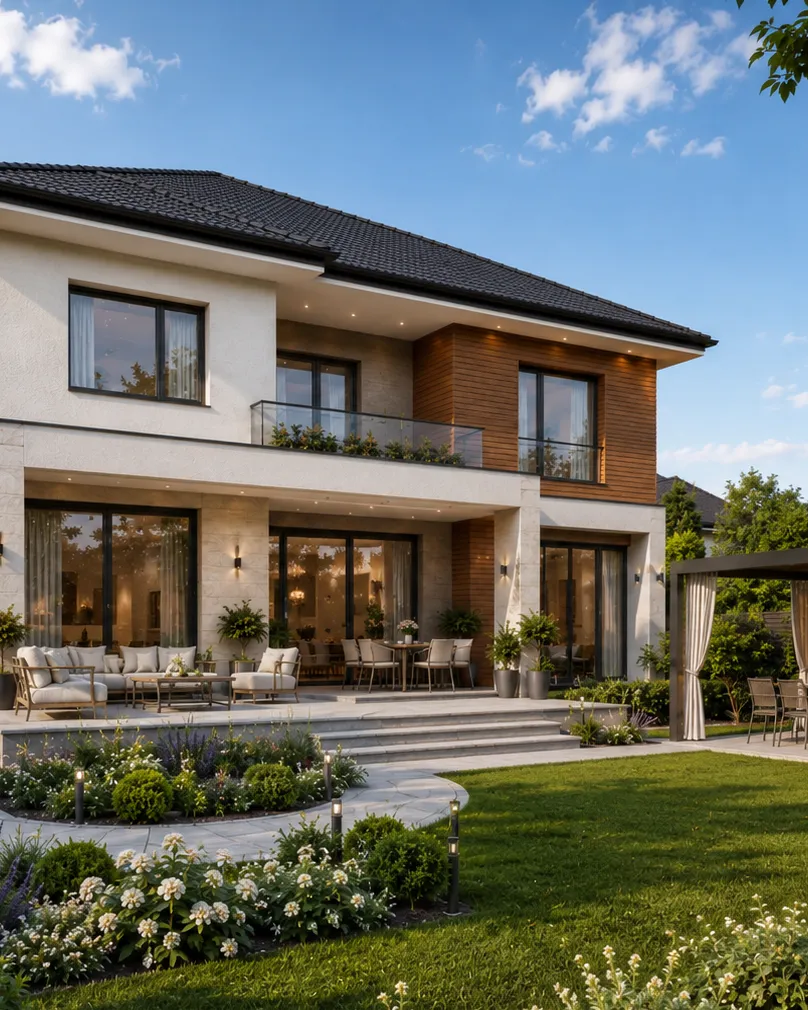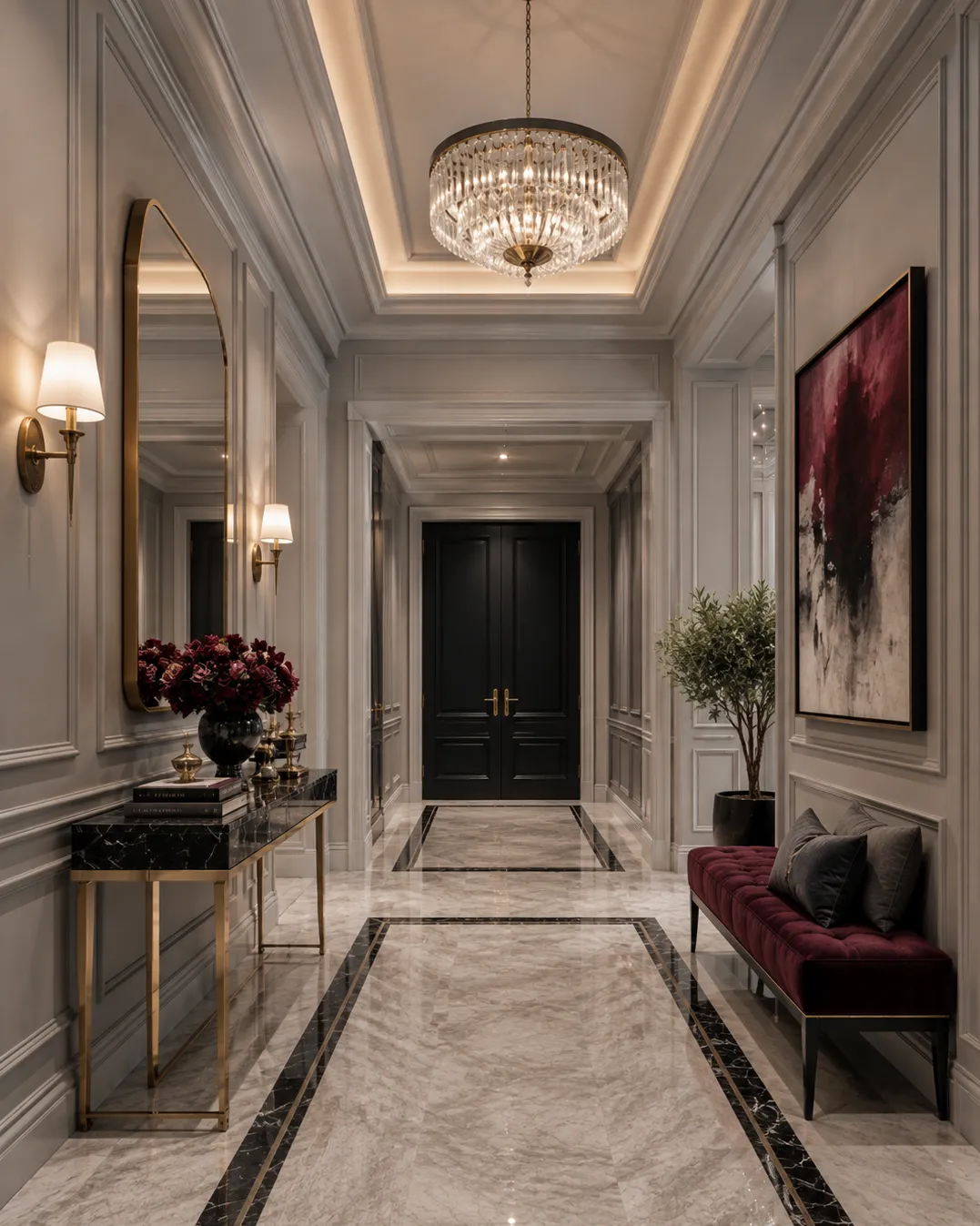
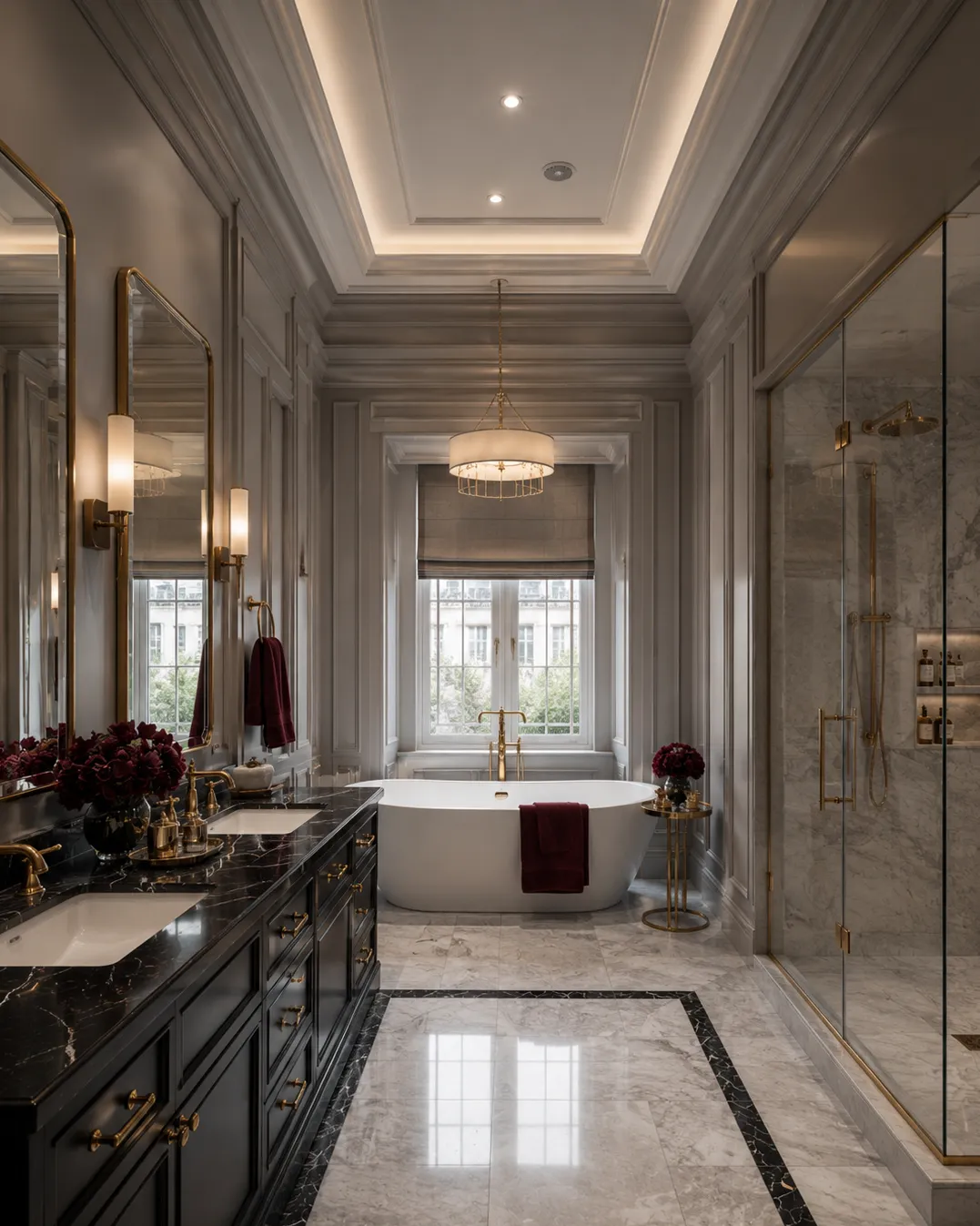
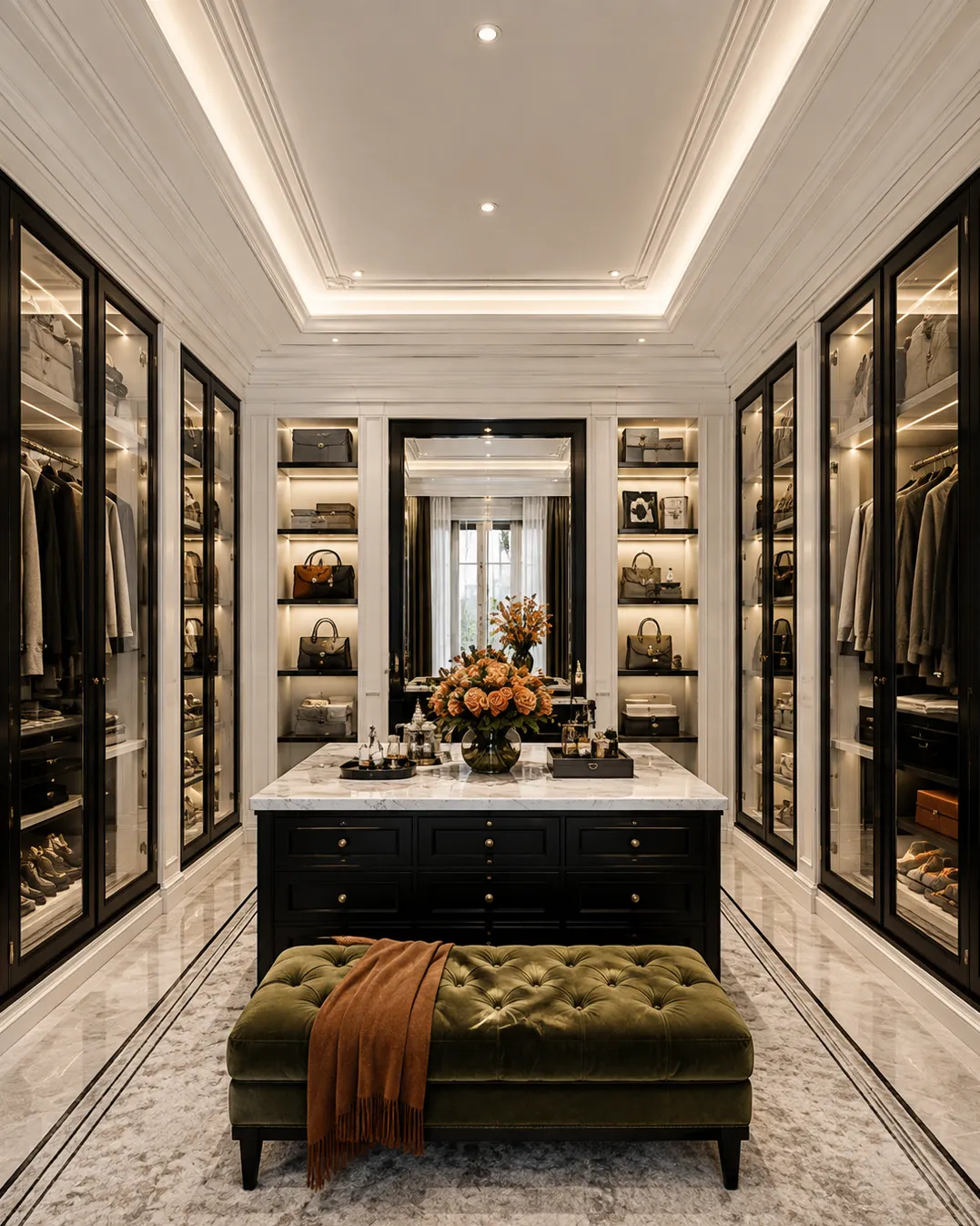
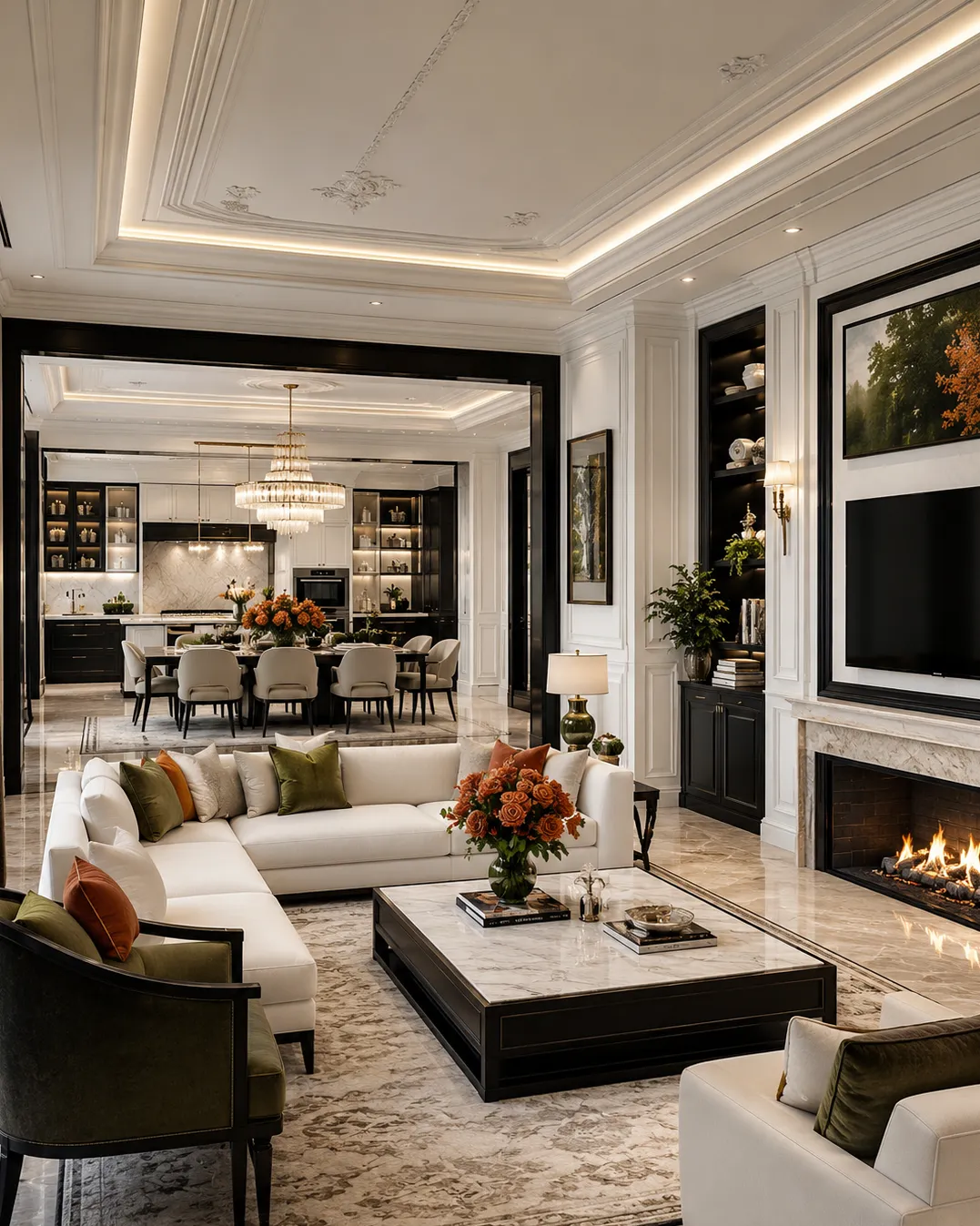
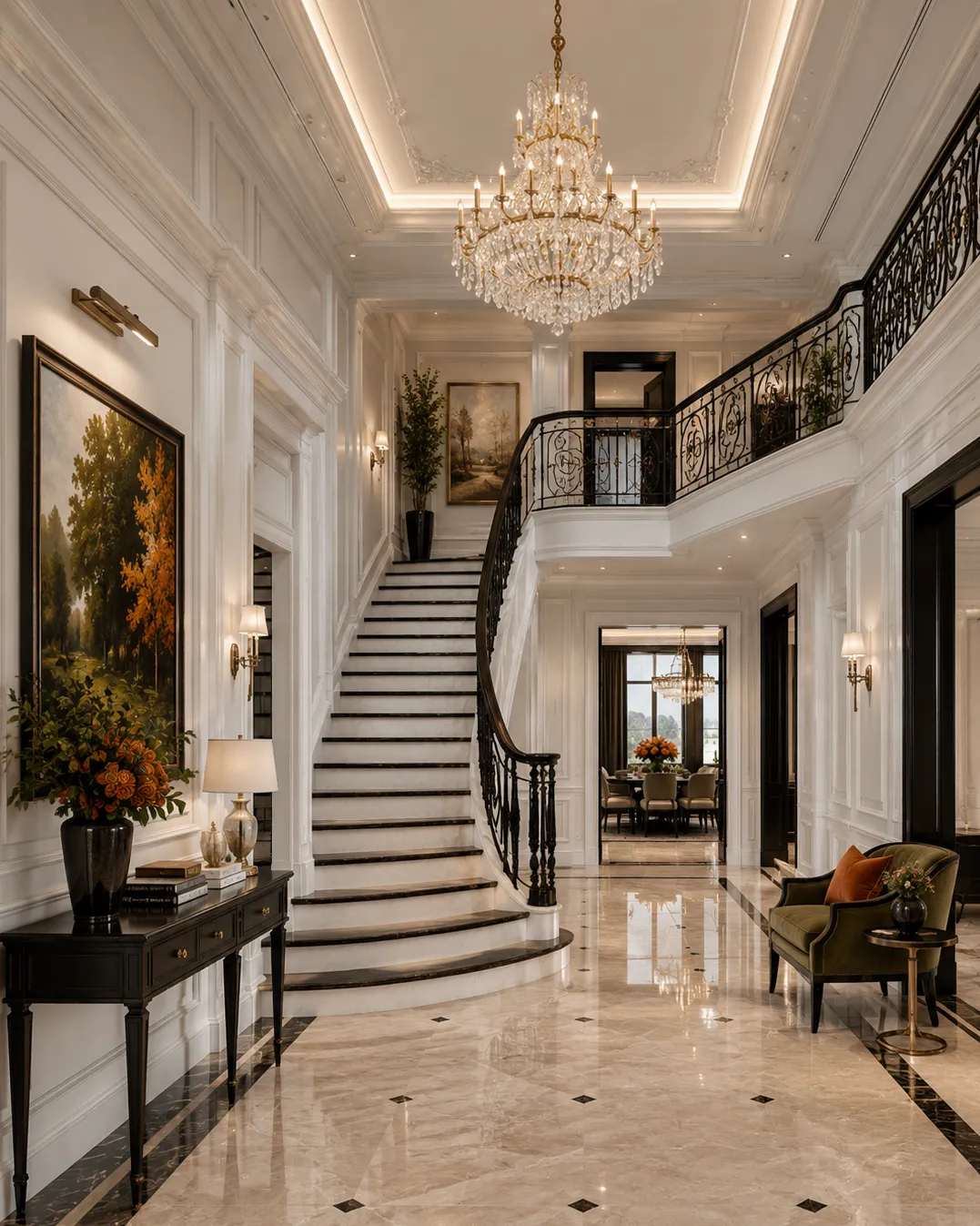
Working with an interior designer in Yerevan means access to a structured process, sourced materials, and spaces built to last. Whether a private residence or a commercial brief, every project starts with a clear scope and ends with measurable results.
Giorgio Collection - a brand of high-quality contemporary furniture.
Every project begins with a detailed brief. Budget range, timeline, functional requirements, and aesthetic direction are established in writing before any design work is invoiced. Clients who arrive without a clear budget are guided through a scoping session to establish realistic parameters.
Concept proposals include spatial layouts, material palettes, furniture references, and lighting strategies. For residential projects, mood boards are presented alongside technical drawings. For commercial briefs, plans are cross-referenced against contractual and building-management requirements.
Approved concepts move to full specification — FF&E schedules, supplier negotiations, and order management. Access to trade-only suppliers and imported materials means specifications are not limited to what is available in the local retail market. Lead times are tracked and communicated throughout.
Design does not stop when contractors arrive on site. Regular site visits, snagging reviews, and supplier deliveries are managed through to practical completion. The final walkthrough confirms every item against the original specification before handover.
Fee structures in Yerevan vary by project type and scope. The most common models are a fixed design fee, a percentage-of-project-value retainer, or a hybrid combining both. Procurement is typically handled at trade prices, with a standard markup applied — the markup is declared upfront, not embedded. Clients are presented with a clear fee proposal before the engagement begins, with no ambiguity about what is included.
Local planning requirements, protected-building approvals, property-management constraints and coordination with regional suppliers are all factors that affect how a project runs. An interior designer without experience in the Yerevan property context will encounter obstacles that delay timelines and increase costs. Experience in the market is not a premium — it is a functional requirement.
Fee structures vary by project scope. For residential projects, fixed design fees typically range from focused single-room services to comprehensive full-home commissions, depending on scope. Commercial projects are often structured as a percentage of the total fit-out cost. All fees are presented in a written proposal before work begins — there are no hidden procurement margins.
An interior designer handles both the spatial and aesthetic elements of a project — layouts, structural changes, technical specifications, and contractor coordination, as well as materials and furnishings. An interior decorator focuses on the visual and decorative layer only: furniture, textiles, colour, and accessories. Most full-scope Yerevan projects require a designer, not a decorator.
A focused single-room project typically runs eight to twelve weeks from brief to delivery, assuming no structural work is involved. A full residential redesign with renovation works runs six to twelve months depending on scope, procurement lead times, and contractor availability. Commercial fit-outs are planned against contractual occupancy dates and handover schedules — timelines are fixed at the project outset.
Yes. Nobili Design works with clients planning projects in Yerevan, other European cities and selected international locations, depending on scope and access requirements. Remote design consultation and specification services are available for clients who need concept and procurement support without on-site management.
Site coordination is included as part of full-service engagements. This covers contractor liaison, delivery scheduling, site visits during key installation stages, and snagging before handover. For projects requiring dedicated project management — particularly large commercial fit-outs — a specialist PM is recommended and can be appointed through the studio's existing contractor network.
Projects include Modern and Traditional houses, historic apartments, new-build developments, listed buildings, commercial office spaces, and hospitality venues. Each property type has its own set of constraints — planning requirements, property-management rules for managed buildings, or structural limitations — and the design process accounts for these from the initial brief stage.