Why Aluminum is the Material of Choice for Luxury Homes
Strength and Design Flexibility
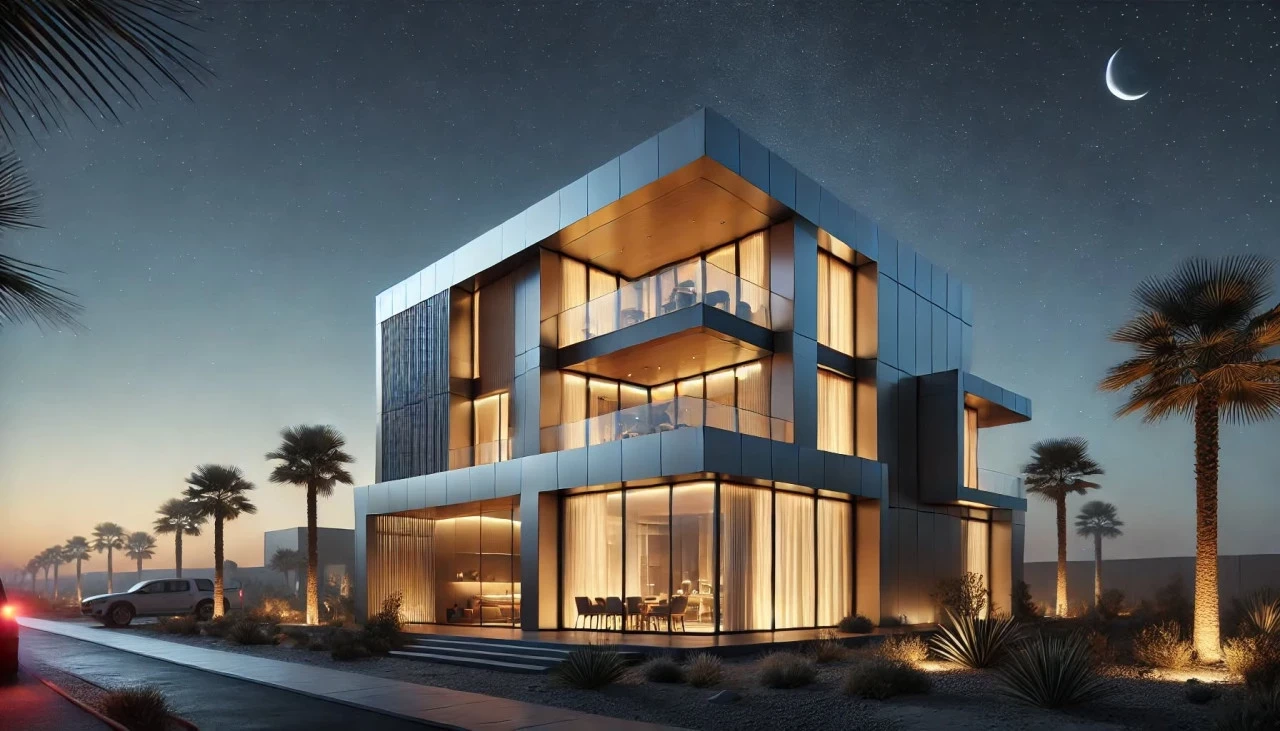
The material's high strength-to-weight ratio enables architects to build slender frames and large openings that would be difficult or impossible with wood or PVC. Modern villas and penthouses benefit from floor-to-ceiling windows and panoramic doors, providing unobstructed views of desert landscapes, city skylines, and coastal horizons.
Durability in Extreme Climates
In the Middle East, materials must withstand scorching heat, strong UV radiation, and the abrasive effects of sandstorms. Aluminum excels in this context. Natural corrosion resistance and advanced powder-coated finishes allow façades and frames to keep their appearance and performance for decades. Aluminum windows and façades often last 40–60 years, surpassing many alternatives (typically 20–30 years), which can lower lifecycle costs and waste (per studies such as those by the European Aluminum Association).
It is at this intersection of beauty and resilience that the material finds its most compelling role. TECHNAL aluminum offers both elegance and sustainability for modern homes.
Aluminum and Sustainability: What Makes it Eco-Friendly
The modern luxury industry cannot exist without taking responsibility for its environmental impact. Homeowners who value refinement need sustainable choices that deliver exceptional performance standards. Aluminum achieves this balance through distinctive environmental advantages.
Endlessly Recyclable
Aluminum maintains its original quality when recycled. Reports from the International Aluminum Institute indicate that approximately 75% of all aluminum produced since the beginning remains active in the market, demonstrating its essential role in circular economic systems. Recycling aluminum requires about 5% of the energy needed to produce primary aluminum—dramatically reducing its long-term environmental impact.
Compared to Other Materials
Aluminum’s environmental advantages become clearer in context. Wood can contribute to deforestation pressures, while PVC often has limited recyclability and shorter product lifespans. Aluminum’s durability and recyclability reduce waste and replacement frequency.
Thermal Performance in Hot Climates
Luxury Middle Eastern homes can reduce AC use and heat transfer with advanced aluminum frames featuring thermal breaks. Studies show these systems can improve cooling-demand performance by around 30%, leading to lower energy costs and reduced carbon emissions over their extended lifespan.
Durability as a Sustainability Multiplier
The sustainability of construction depends heavily on durability—an underappreciated factor. A material that endures twice as long as its competitor minimizes premature waste and decreases replacement requirements. Aluminum’s extended lifespan helps luxurious homes remain sustainable through multiple generations.
Combining Luxury Design with Eco-Conscious Choices
Expansive Glazing & Natural Light
Modern luxury homes favor open designs with seamless indoor-outdoor connections and expansive view areas. Aluminum enables slender yet strong frames that support extensive glass panes. Across Abu Dhabi, Riyadh, and Doha, architectural designs create grandeur while maximizing daylight to decrease daytime electricity consumption.
Premium Aesthetics via Tailored Finishes
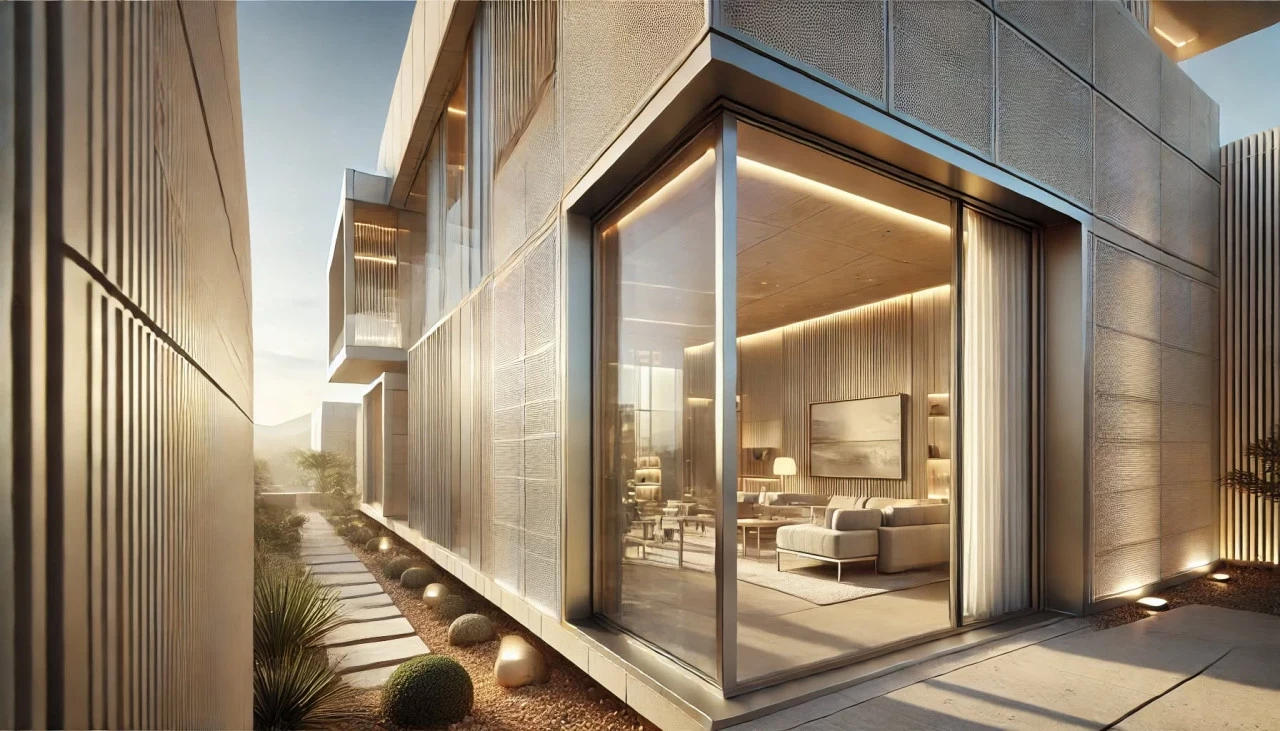
Aluminum offers a wide range of finish options, including matte metallic finishes and wood-texture effects. Powder-coating technology helps colors endure intense desert sunlight, giving homeowners design freedom without sacrificing durability.
Designers’ Perspectives
The design community recognizes aluminum as a material that unites sustainable practices with high-end aspirations. According to Architectural Digest, Lebanese architect Rana Hage notes that high-net-worth clients seek materials with a timeless appearance that also express future-oriented values. Through aluminum, designers can achieve both design excellence and sustainability.
“Elite homeowners are transforming their architectural narratives through the dual nature of luxury and environmental consciousness. Sustainability functions as a fundamental element that elevates the standard of living rather than creating a trade-off.”
Aluminum’s Role in Reducing Maintenance and Long-Term Costs
The maintenance costs and long-term expenses decrease when opting for aluminum. The practical aspect of sustainability extends beyond energy and emissions to include functional considerations. People who invest in luxury homes choose materials that perform without frequent repairs or maintenance—an area where aluminum excels.
Minimal Upkeep
Humidity changes do not cause aluminum to warp, swell, or rot the way wood can. Unlike steel, it does not rust. For coated aluminum, maintenance typically amounts to occasional cleaning to preserve its appearance.
Long-Term Savings
Lifecycle cost analyses from institutions such as the Building Research Establishment (UK) indicate that aluminum windows can cost 30–40% less than timber over a 40-year period due to reduced maintenance and replacement. For landmark residences, these savings can be substantial. Aluminum joinery in villa construction allows homeowners to enjoy a beautiful appearance for decades while keeping maintenance costs low.
Peace of Mind for Homeowners
Aluminum joinery offers both elegance and security. Windows and doors are often weak points in a home’s security, but robust aluminum designs and advanced locking systems help deter break-ins. Beyond aesthetics, aluminum’s durability and strength provide real peace of mind—while reducing the need for maintenance so homeowners can spend more time enjoying their living spaces.
Conclusion
The history of aluminum in luxury residential design represents the union of sustainable practices with sophisticated architectural goals. The Middle Eastern climate requires materials that protect against harsh conditions while preserving design intent.
Aluminum delivers on all counts. The material stands out for its endless recyclability and remarkable durability, while enabling sleek, light-filled spaces emblematic of modern high-end living. As affluent clients embrace sustainability as an essential element of luxury, aluminum is both the material of the present and a standard for future homebuilding.