
Spaces That Influence Us Without Us Noticing
Interior design influences us more than we typically realize. Beyond style, the way a space is lit, furnished, and finished can subtly shape mood, movement, focus, and even daily routines.
Interior design often works at a subconscious level, shaping behavior and emotional states without occupants being aware of these mechanisms. Furniture layout, the intensity of natural light, and material choices generate psychological responses that guide movement through a room and influence how people feel in their own homes. Research in environmental psychology shows that seemingly minor details—such as ceiling height or the color temperature of wall finishes—can alter spatial perception and even the sense of time spent in a particular area.
Light and Spatial Perception
Lighting may be the most powerful interior design tool for changing a space’s atmosphere. Natural light entering from a specific direction can make a small room feel more expansive or highlight textures that would otherwise go unnoticed. Professional designers know that the placement of artificial light sources must be calculated not only for functionality, but also to create focal points—or, conversely, to leave certain corners in shadow and suggest intimacy.
Research on circadian rhythms indicates that exposure to different light color temperatures throughout the day affects energy levels and concentration. Workspaces that integrate these principles often see shifts in productivity, even though occupants rarely recognize the direct link. Responsible design considers these biological factors and creates environments that support the body’s natural rhythms without requiring constant user adjustments. Strategically positioned windows maximize morning light exposure, which helps regulate the internal body clock and improves long-term sleep quality.
Materials and Emotional Resonance
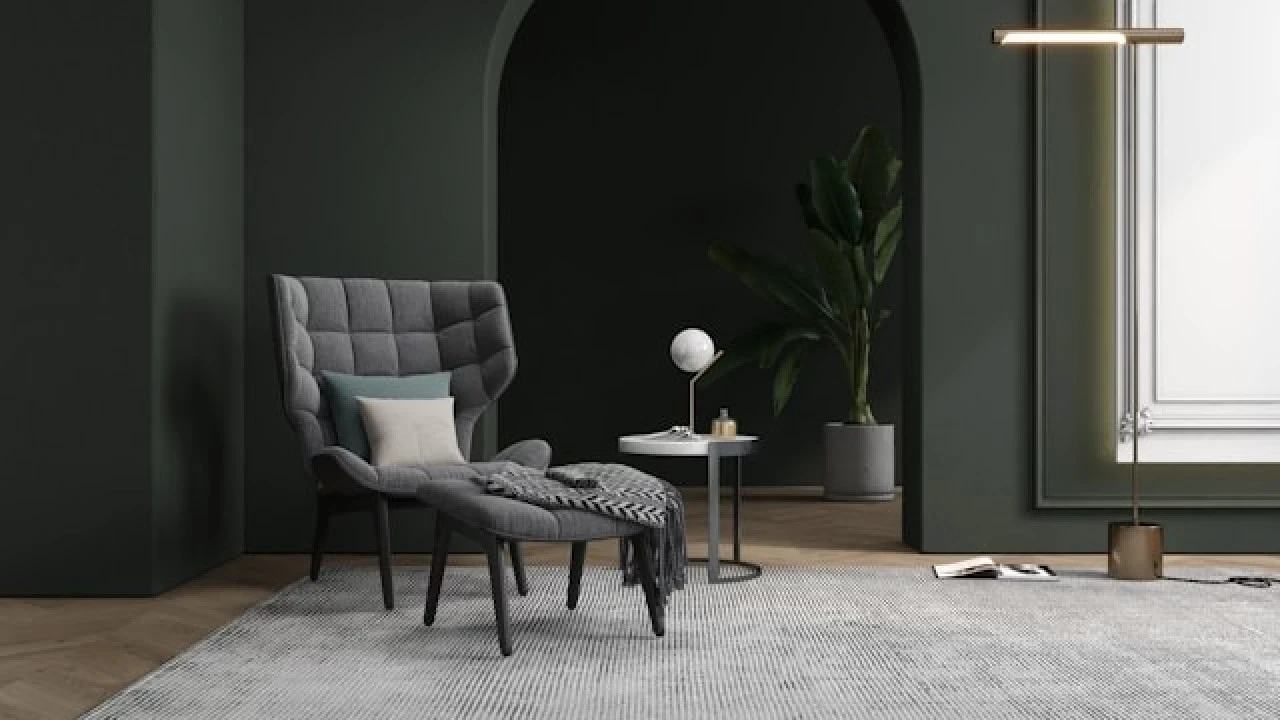
Surfaces and textures help build a space’s identity in ways that go beyond visual aesthetics. Wood conveys perceived warmth, even when the room’s actual temperature remains constant, while metal and glass suggest a more rigorous sense of order. These associations are not arbitrary; they stem from neurological connections formed through repeated experiences over a lifetime. A surface’s texture communicates cues about a space’s history and function, subtly shaping the expectations and behaviors of those who use it.
Natural materials such as stone or solid wood can elicit different responses compared to their synthetic imitations, even when the difference is not immediately visible. Researchers studying the neuroscience of design identify patterns in how the brain processes material authenticity, suggesting that subtle sensory information—such as touch temperature or the way light reflects—sends signals about quality and permanence that influence overall comfort.
The Invisible Geometry of Routines
The way spaces are partitioned determines movement flows and, by extension, the daily routines of the people who use them. A kitchen organized around the classic work triangle enables smooth meal preparation without the cook consciously thinking about the efficiency of their movements. Good design removes friction from repetitive actions, allowing mental energy to be allocated elsewhere.
Internal architecture also shapes social behavior within a home. The placement of the living area relative to the entrance, the distance between shared spaces and bedrooms, or the presence of a transitional room influences how often family members interact or how much time they spend in isolation. These spatial configurations create the framework in which relationships unfold, acting like an invisible script that structures everyday interactions without occupants recognizing architecture’s role in their dynamics.
The Digital Translation of Commercial Atmosphere
A major challenge of modern design is translating a place’s “spirit” into the virtual environment. While physical spaces rely on multiple senses to create immersion, digital environments must compensate using visual cues alone to evoke similar states. We see this in wellness apps that adopt the organic color palettes associated with spas, or in the way platforms such as NetBet (L1160651W000195, ONJN, 18+) use texture details and ambient lighting to lend authenticity to roulette-table visuals. Regardless of the field, success lies in the ability to capture the essence of a real experience and translate it convincingly on screen.


