
Exploring the Influence of Modern Art in Contemporary Interior Design
Modern art and interior design have a powerful relationship that shapes how we experience spaces. For years, art has been an expression of human creativity, and when combined with contemporary interiors, it transforms ordinary rooms into inspiring environments.
The boldness, creativity, and diversity of modern art give homeowners and designers endless opportunities to make a statement. Whether it’s through ocean paintings on canvas or abstract sculptures, art has the power to redefine how spaces look and feel.
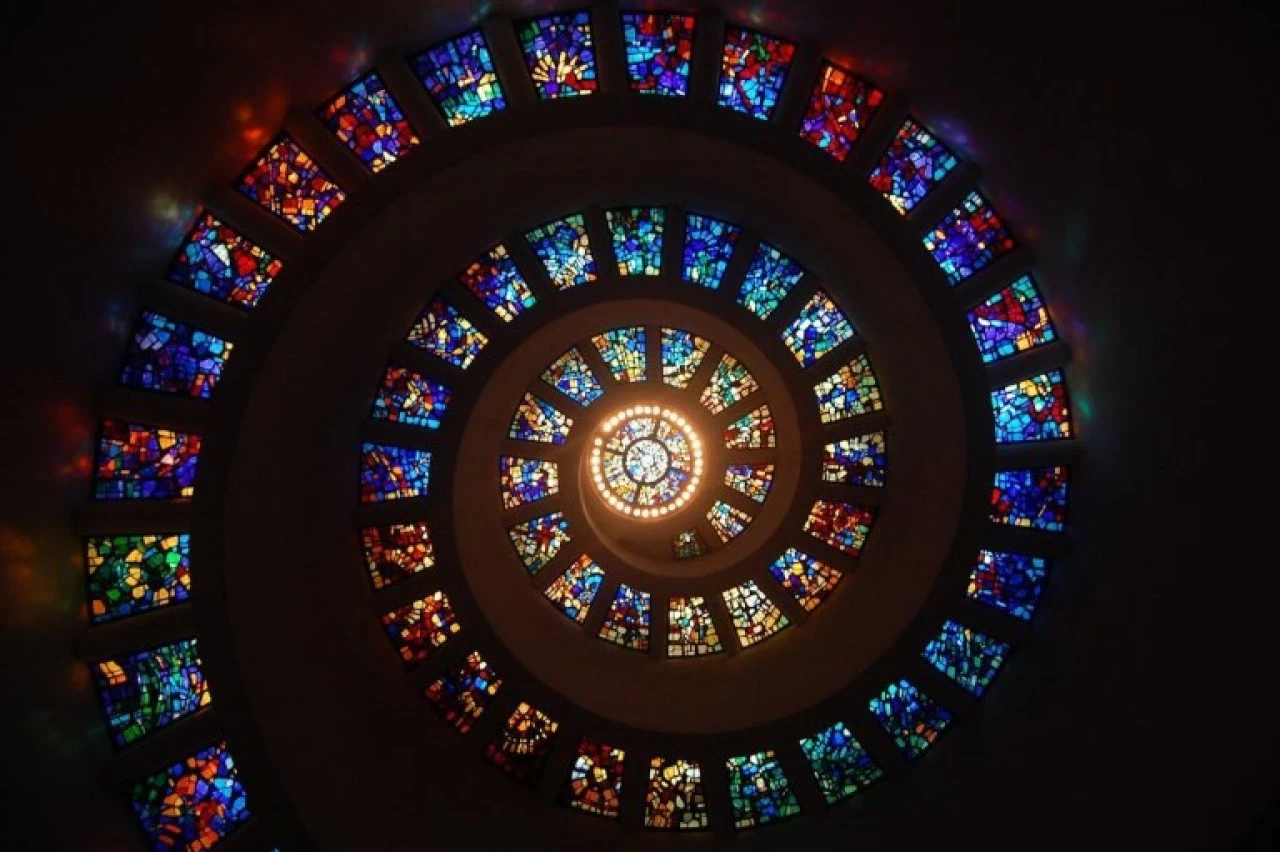
Abstract and Minimalistic Forms
Modern art often strips down visuals to their essence, creating abstract and minimalistic forms. These pieces resonate perfectly with the clean lines and open spaces of contemporary interiors. Think of a white-walled living room with a single large painting of geometric shapes in bold colors. The simplicity of the artwork complements the minimalist furniture while adding depth to the room.
This style isn’t just about large paintings, though. It can also include small sculptures or even textiles like rugs and curtains inspired by modernist designs. These forms help maintain the open, uncluttered feel of a space while injecting personality and creativity. The beauty of abstract art lies in its versatility; it works just as well in a cozy apartment as it does in a spacious loft.
Designers often recommend pairing these pieces with furniture that has simple, clean lines. A curved sofa or a sleek coffee table might echo the shapes in the artwork, creating a sense of harmony. The goal is to make the art feel like a natural extension of the space, rather than an afterthought.
Bold Colors and Unique Textures
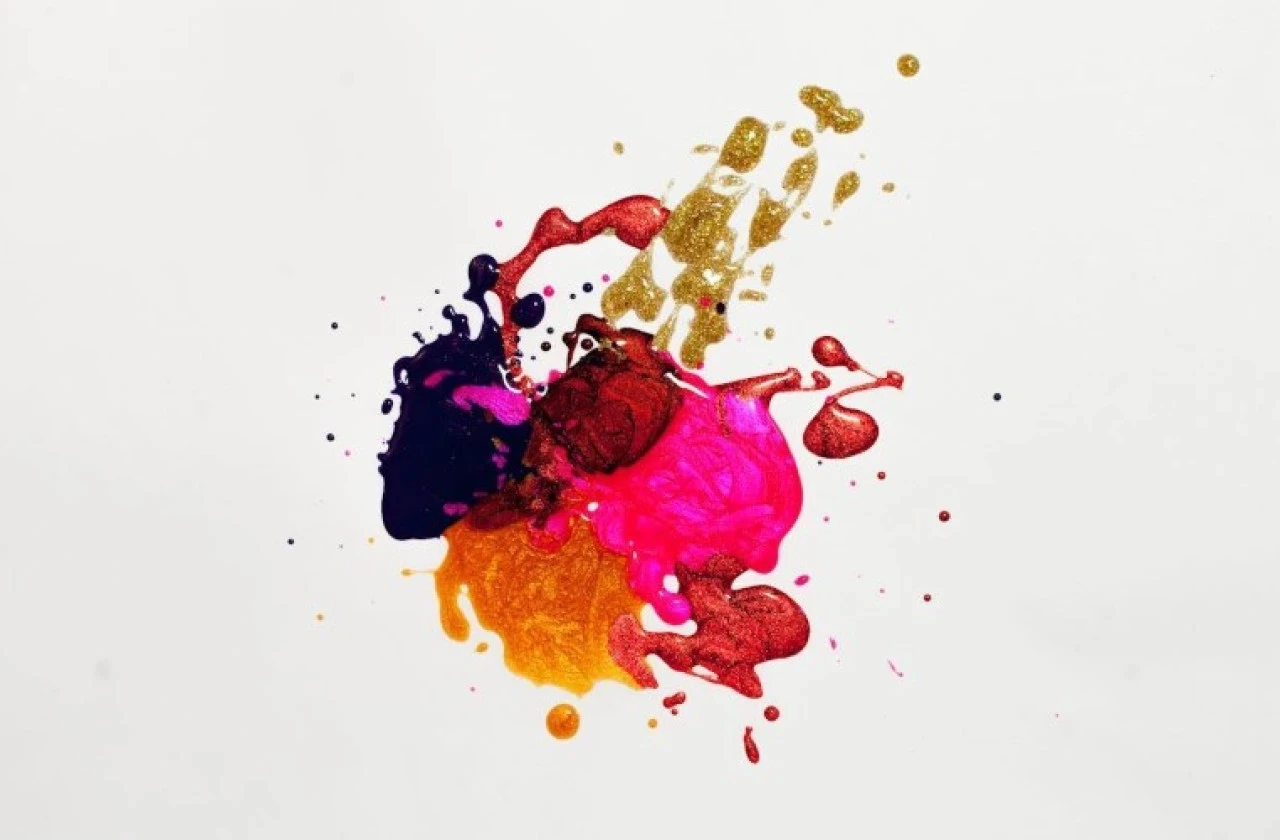
Modern art isn’t afraid to be bold, and this courage translates beautifully into interior design. A striking red canvas or a vibrant blue sculpture can breathe life into an otherwise neutral room. These pops of color draw the eye and create focal points that anchor the design.
Textures also play a crucial role. A painting with thick, layered brushstrokes adds a tactile element to the walls, while a metal or ceramic sculpture introduces a different material into the room.
This mix of textures makes the space more interesting and engaging. For example, consider a bedroom with a monochromatic palette of whites and grays. Adding a vibrant abstract painting with textured details above the bed instantly transforms the room.
The artwork doesn’t just add color; it brings movement and energy, making the space feel alive.
The key is to balance boldness with restraint. Too many vibrant elements can overwhelm, but one or two standout pieces can make a room unforgettable.
How Modern Art Shapes Room Perception
Modern art has a unique ability to change how a room feels. A large painting with an optical illusion can make a small space feel bigger, while a series of smaller pieces can create an intimate, cozy atmosphere. Take a narrow hallway, for instance.
Adding a long, horizontal artwork with a perspective effect can give the illusion of depth, making the space seem more expansive. On the other hand, a tall sculpture in a corner can draw the eye upward, highlighting the room’s height and adding a sense of grandeur.
Lighting also plays a big role in this
A spotlight on a piece of modern art not only emphasizes its details but can also create interesting shadows and reflections, adding another layer to the design. Modern LED lighting systems even allow for color changes, letting the homeowner adjust the mood of the room depending on the time of day or occasion.
Choosing and Placing Modern Art
Picking the right piece of modern art for a room is both an art and a science. The size of the artwork should match the proportions of the space. A large canvas on a small wall can feel overpowering, while a tiny painting in a big room might go unnoticed.
The function of the room also matters. For example, in a dining room, abstract pieces with warm colors can create an inviting atmosphere. In a home office, geometric designs with cool tones might encourage focus and creativity.
Placement is just as important as selection. A large painting might look best centered on a wall, while a collection of smaller pieces could form a gallery wall for more visual interest.
Sculptures often work well on side tables, shelves, or even as standalone elements in empty corners. Another trend is incorporating art into unexpected places, like kitchens or bathrooms. A colorful piece of modern art can make these functional spaces feel more personal and stylish.
Real-Life Examples of Modern Art in Interiors
Many well-known designers and architects use modern art to elevate their projects. Take a high-rise apartment with floor-to-ceiling windows overlooking a city skyline. Adding a bold abstract painting in the living room draws attention inward, balancing the dramatic view outside. In a suburban home, a hallway might feature a series of ocean paintings on canvas, creating a calming transition between rooms.
The soft blues and greens of the artwork echo the natural tones of the outdoor landscaping, tying the interior and exterior together. Commercial spaces also benefit from modern art. An office lobby with a large sculpture instantly feels more welcoming, while a hotel room with a unique painting above the bed offers guests something memorable to take away from their stay.
What’s Next for Modern Art in Interiors?
The future of modern art in design is exciting, with trends like digital art displays gaining popularity. These allow homeowners to rotate pieces based on their mood or the season, keeping their spaces fresh and dynamic. Interactive art is another emerging trend. Imagine a wall installation that responds to touch or sound, creating an ever-changing display.
These pieces make the home feel more engaging and personal. Sustainability is also becoming a priority. Many artists now use recycled materials or eco-friendly techniques, aligning with the growing demand for sustainable design. These pieces not only look great but also support a more responsible approach to decorating. Modern art and contemporary interiors are a match made for those who value creativity and individuality.
Together, they create spaces that are both functional and inspiring. Whether it’s a bold painting, a textured sculpture, or something entirely unique, modern art has the power to transform any room into a work of art itself.


